What happened
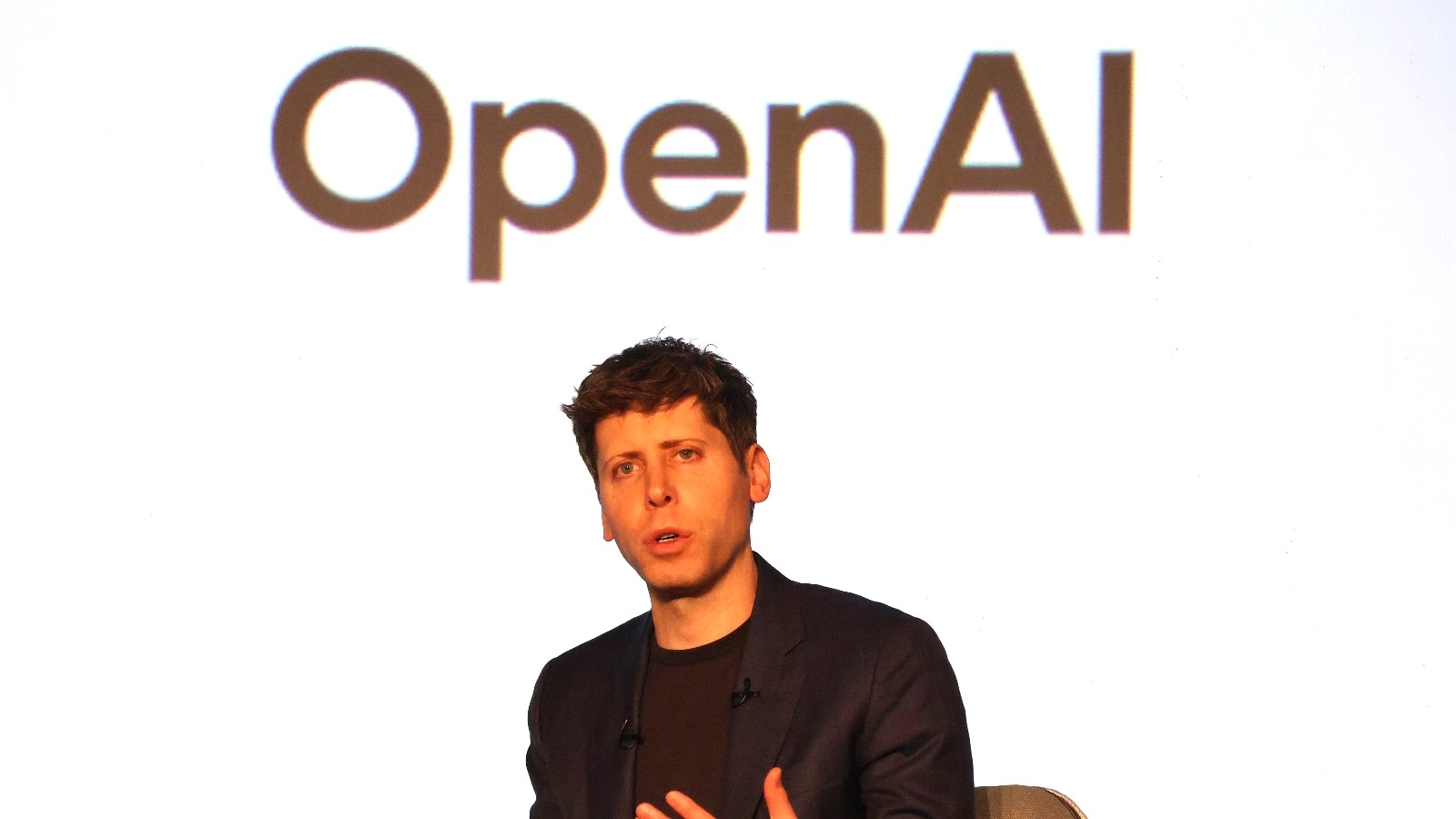
OpenAI announced GPT-6 Cyber on November 5, 2026, a model built for cybersecurity research that finds vulnerabilities, tests whether they are actually exploitable, and drafts fixes. It scored 48.5% on the ExploitGym benchmark, up from 32.1% for GPT-5.6 Cyber.
Why it matters
OpenAI says the model is a major step forward in both cybersecurity capability and safety.
WHO IT HITSSecurity research teams and vulnerability-response staff at software vendors stand to gain a faster way to surface and validate exploitable flaws; OpenAI says access will initially be limited to organizations that clear its screening.
Summaries like this, every morning.
OpenAI is positioning GPT-6 Cyber less as a general-purpose assistant than as a tool for the specific workflow of vulnerability research: finding a flaw, checking whether it can actually be exploited, and proposing a fix. The benchmark figure it cites, 48.5% on ExploitGym versus 32.1% for GPT-5.6 Cyber, is meant to quantify that jump in exploit capability, and OpenAI describes the model as a major step forward on both cybersecurity capability and safety.
The Firefox and Linux kernel results illustrate what that capability looks like in practice. In Firefox, the researchers surfaced 81 unknown vulnerabilities that Mozilla classified as high severity; in the Linux kernel, they reproduced 1,724 vulnerabilities and built working exploits for 948 of them. Those are the kind of findings that normally take human security teams considerable time to produce.
Access is being kept narrow for now, with OpenAI planning to give the model first to security specialist organizations that pass its screening. That gating suggests the company is treating the model's exploit-writing ability as something to distribute carefully rather than release broadly.
Pick your industry and the AI tools you use, and get news related to your work every day.
Free · 30 seconds with Google · unsubscribe anytimeWhat is AIToday? →
Ask AI anything about this article. The AI reads this article, earlier AIToday articles, and Wikipedia, and cites its sources. Q&As are published on this page for other readers too.
The column argues running an AI-written tool locally keeps your photos off remote servers, since only what the…

Japan's AI Law, in force since September 1, 2025, carries no penalties; the country instead leans on soft-law…

Mikami of Canly's store-acquisition team used aidlc-workflows' bugfix scope on a Google Business Profile CSV b…
Shimmochi runs a Claude Code "commander" agent that rebuilds his task list from GitHub and Notion, decides the…

Hitachi Energy is expanding its partnership with Celonis, the process-intelligence leader, to scale AI use acr…
Spesia added an "AI consultation on data and measures" chat to Flowgent, its Amazon operations analysis system