What happened
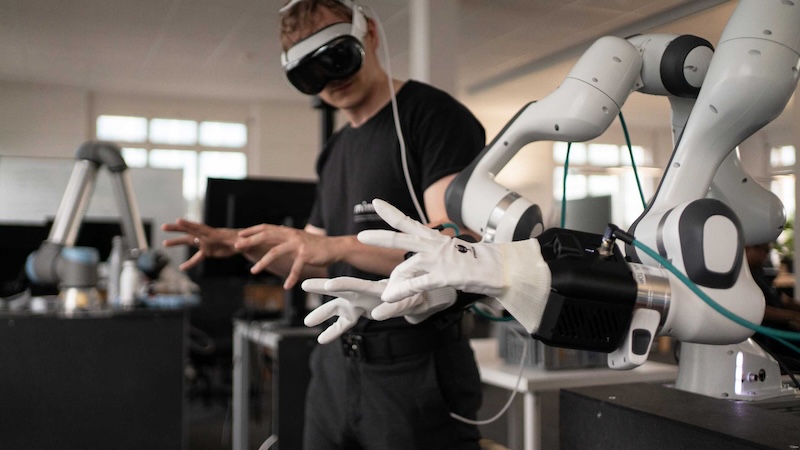
mimic robotics introduced FLUX-mimic, a Video-Action Model built with Black Forest Labs' FLUX 3 video model, that enables robots to learn complex manipulation tasks from as little as 30 minutes of robot data instead of 30 or more hours. The company is already deploying the system with Audi to automate flexible, fine-manipulation work in automotive production.
Why it matters
Manufacturing tasks involving flexible parts and fine manipulation have remained manual despite decades of robotics investment, because conventionally programmed robot cells are too costly to re-engineer for production variants. FLUX-mimic's ability to learn from video understanding of physical dynamics rather than static images allows factories like Audi to automate previously intractable tasks without months of engineering effort, aligning with Audi's vision of smart factories where robots partner with employees on repetitive and physically demanding work.
What to watch
Audi's production environments are already testing and deploying FLUX-mimic on soft-body manipulation work that Audi states would have been impossible with conventional robotics. The partnership aims to prove the system can handle unstructured tasks reliably on real production lines without extensive integration overhead.
Summaries like this, in your inbox every morning.
mimic robotics' introduction of FLUX-mimic addresses a long-standing bottleneck in industrial automation: the cost and complexity of deploying robots for non-repetitive or variant-heavy tasks. The automotive industry, particularly premium manufacturers like Audi, has invested heavily in fixed robotic cells optimized for single tasks, but tasks requiring flexible handling of soft or variable parts have resisted automation because re-engineering a robot cell for each variant or task is prohibitively expensive. FLUX-mimic changes this calculation by leveraging pre-trained video understanding—specifically Black Forest Labs' FLUX 3 architecture—to bootstrap robot learning. Because the video model has already learned how the physical world behaves from large-scale video data, robots no longer need to learn dynamics almost entirely from scarce robot demonstrations; instead, they can fine-tune for specific tasks with minimal data. The result is a dramatic compression of training time and deployment cycles, potentially unlocking automation for the long tail of tasks that conventional robotics left untouched. Audi's partnership represents validation in a high-stakes production environment where reliability, flexibility, and low integration overhead are prerequisites; the company's explicit interest in reducing engineering effort and expanding automation for logistics and flexible assembly suggests the approach addresses real pain points in modern manufacturing.
Pick your industry and the AI tools you use, and get news related to your work every day.
Free · 30 seconds with Google · unsubscribe anytimeWhat is AIToday? →
Ask AI anything about this article. The AI reads this article, earlier AIToday articles, and Wikipedia, and cites its sources. Q&As are published on this page for other readers too.
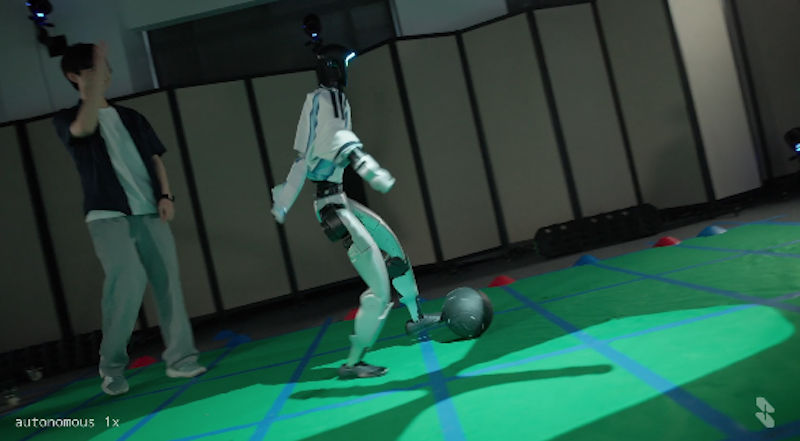
Skild AI used Nvidia Isaac Sim to give its S1 model one objective — score a goal — and let it compete against…
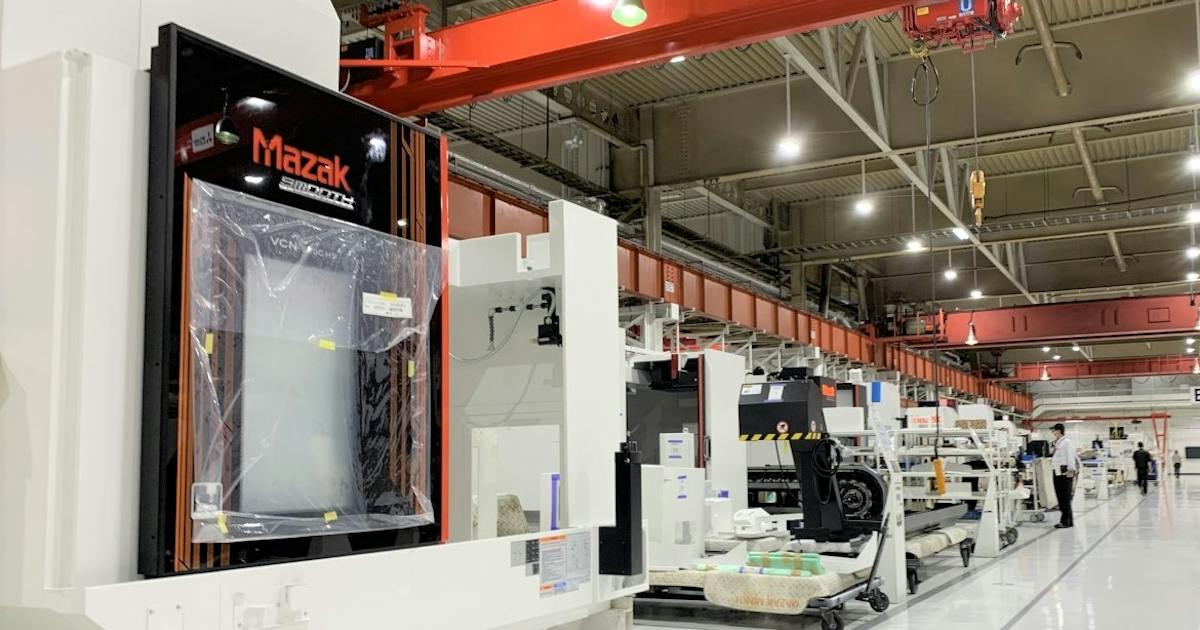
Yamazaki Mazak and ABEJA said on the 16th they will start joint development of physical AI, using ABEJA's ABEJ…
Kling AI announced on October 15 that Kling 4.0 is formally released, with a refreshed Web creation screen and…

Toyota Motor's Japan Mobility Show Bizweek 2026 booth centers on its AI basketball robot CUE7, has no other ex…
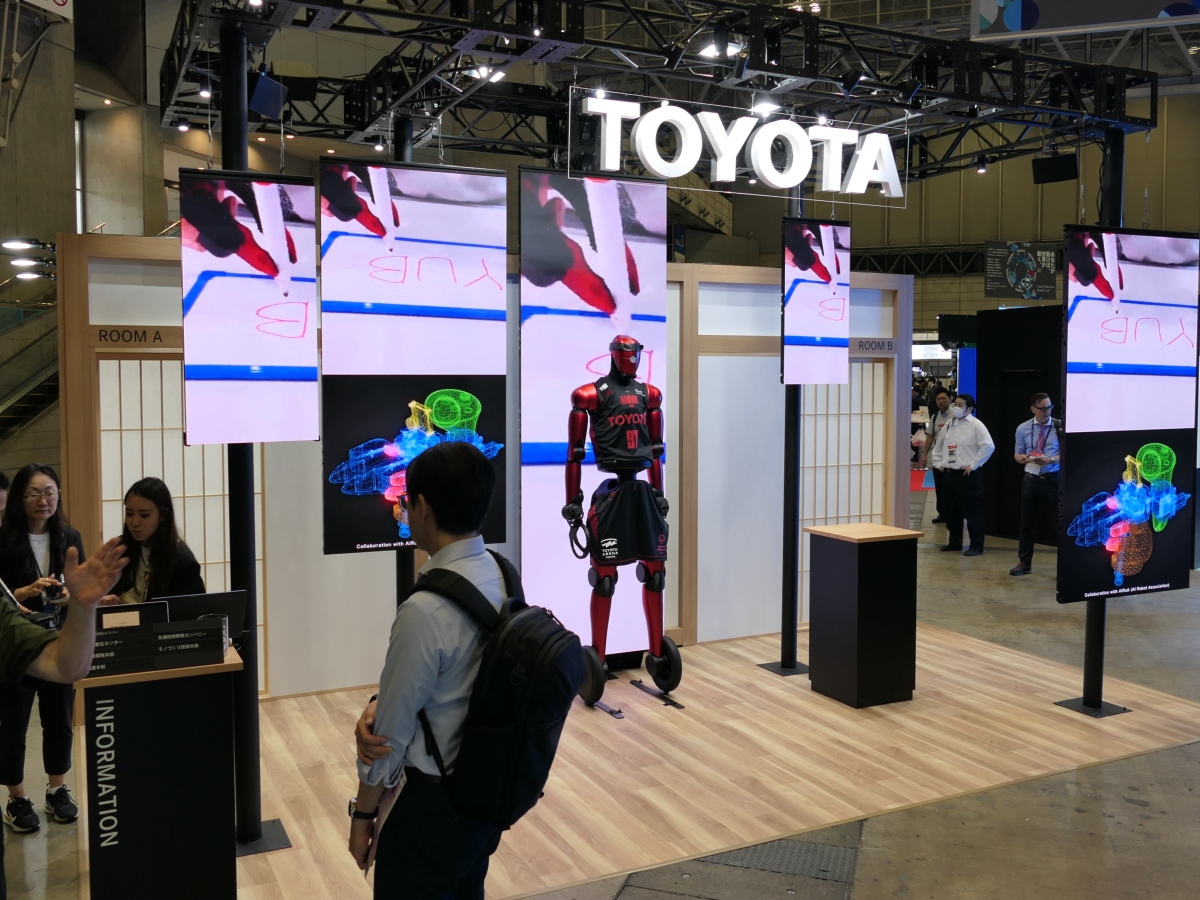
Japan Mobility Show Bizweek 2026 showcased Physical AI applications, including Toyota's basketball-playing rob…
Google pitched Gemini 4 Argon as one model for robot control, simulation and training-data review, saying it s…