What happened
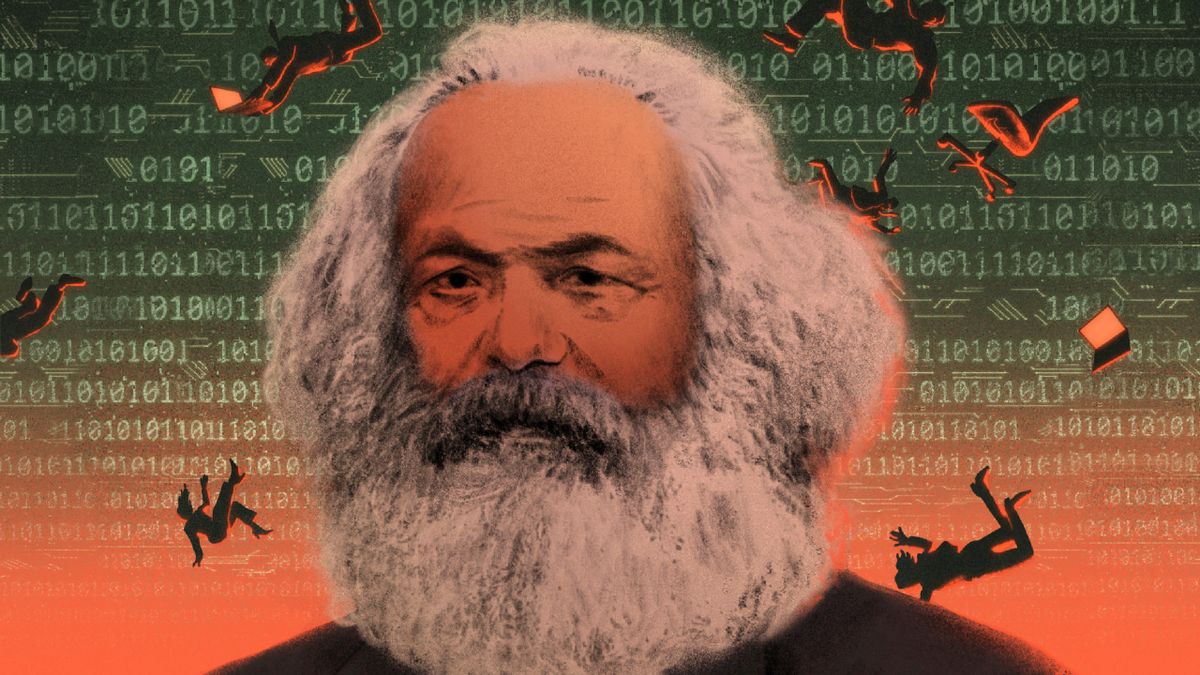
In mid-May, Meta CEO Mark Zuckerberg dismissed around 8,000 employees—10 percent of the workforce—citing a need to "run the company more efficiently" and offset major investments in AI. Engineers like Daniel McKinnon, who had spent years developing artificial intelligence for Meta, found themselves laid off via email, with access cards immediately deactivated.
Why it matters
Meta is pursuing an "AI-native" strategy, betting the company's future on artificial intelligence rather than human labor. The AI systems McKinnon and others built—originally used to improve Llama (Meta's in-house AI model) and optimize Ray-Ban smart glasses and AI chips—are now being deployed to replace human workers on a large scale, signaling a fundamental shift in how the company operates.
What to watch
The layoffs reflect Meta's pivot toward superintelligent software development. The company is making major capital investments in AI with the explicit goal of reducing its reliance on human employees, a strategy that may reshape how large tech firms allocate labor in the coming years.
Summaries like this, in your inbox every morning.
Meta's mid-May layoff of 8,000 employees marks a decisive moment in how large technology companies are responding to advances in artificial intelligence. The dismissals were framed by Zuckerberg as a necessary cost-cutting measure to fund major AI investments, but the underlying narrative is more significant: the company is explicitly repositioning itself as "AI-native," meaning it is betting its future on artificial intelligence systems rather than human talent. This shift is particularly striking because the very engineers who built Meta's AI infrastructure—including systems that improved Llama, optimized Ray-Ban glasses, and made AI chips more efficient—are among those being cut. The layoff thus reflects not a shortage of AI capability but a deliberate choice to redeploy that capability toward labor replacement rather than augmentation. For workers across the tech industry, the signal is clear: companies view AI not as a tool that complements human work but as a substitute for it, justified by efficiency gains.
For example, today's edition would include:
AI-summarized, only the topics you pick: one digest a day via Email, LINE, or Slack.
Free · 30 seconds with Google · unsubscribe anytimeWhat is AIToday? →
Ask AI anything about this article. The AI reads this article, earlier AIToday articles, and Wikipedia, and cites its sources. Q&As are published on this page for other readers too.
Instinct, officially Spear Street Technology Inc., announced a $1 billion Series C joined by Sequoia Capital…

Modulate raised $25 million, led by Future Ventures with returning investors Hyperplane and Lakestar, bringing…

On theCUBE Pod, Dave Vellante said CoreWeave disclosed that 70% of its revenue came from its top three custome…

At Okta's Oktane event, Charlotte Wylie, Okta's senior vice president and deputy chief security officer, said…

Google Cloud revenue hit $24.77 billion, up 82%
At Semafor's The Next 3 Billion on Sept