What happened
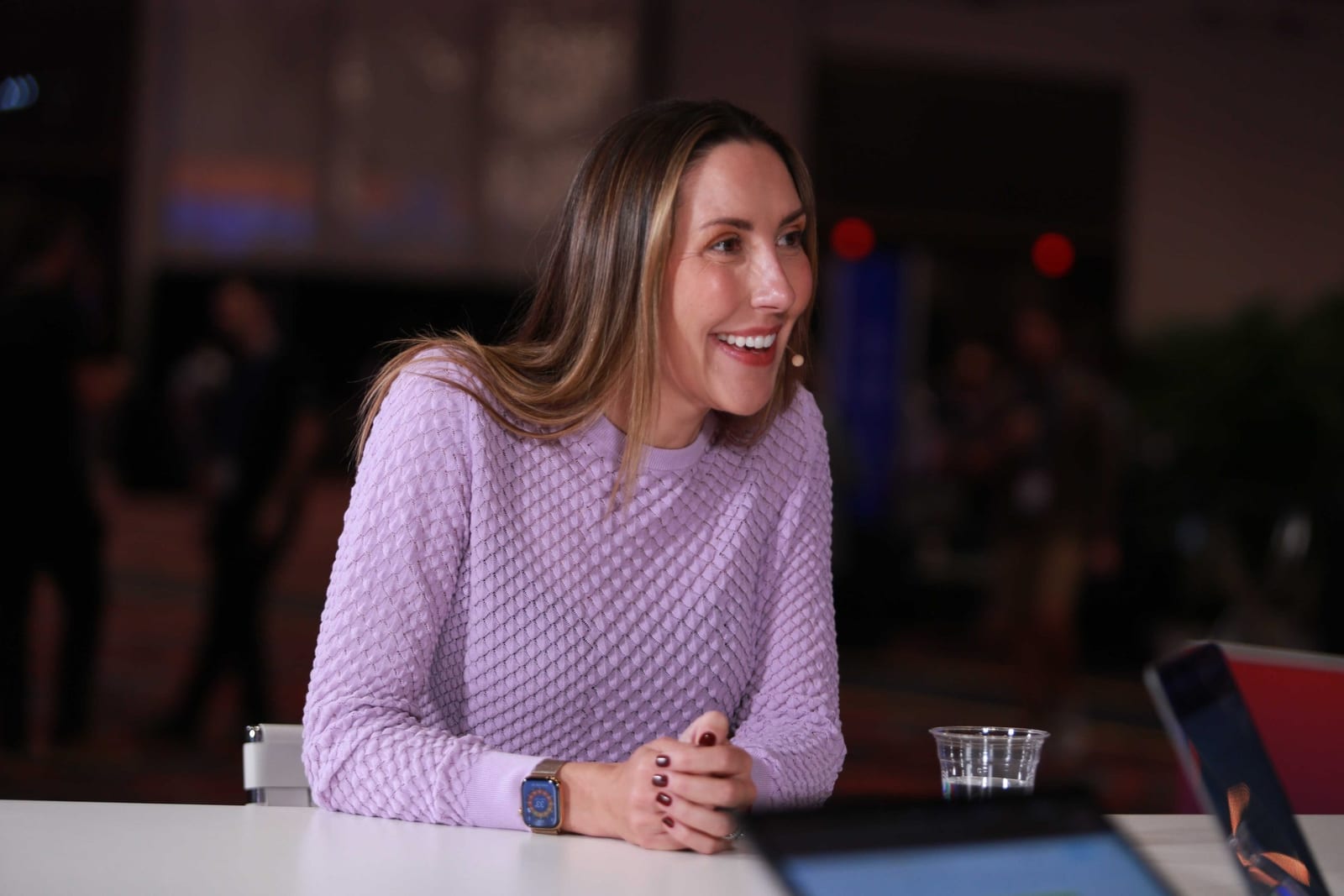
At Okta's Oktane event, Charlotte Wylie, Okta's senior vice president and deputy chief security officer, said the Blueprint Alliance — with AWS, CrowdStrike, Salesforce and ServiceNow — is working to make security controls and risk signals interoperable across agentic systems.
Why it matters
Wylie said no vendor can solve this alone, so customers scrambling to run autonomous agents may get a common architecture instead of isolated vendor controls — a reference for securing the entire agentic stack.
What to watch
The blueprint hinges on whether each agent gets an identity, limited permissions and behavioral visibility, since Wylie said those let organizations stop a rogue agent in its tracks. Watch whether the message reaches people outside security conferences.
WHO IT HITSEnterprise security and IT teams deploying autonomous agents across multiple vendor platforms are the ones who would benefit from interoperable controls, since they currently face a patchwork of separate vendor safeguards.
Summaries like this, in your inbox every morning.
Okta is framing agentic AI security as a problem that no single vendor can close on its own. Its Blueprint Alliance, built with founding members including Amazon Web Services, CrowdStrike, Salesforce and ServiceNow, aims to make security controls and risk signals work across different agentic systems. The pitch is less a product launch than a shared architecture: Charlotte Wylie, Okta's senior vice president and deputy chief security officer, described an approach where each agent is given an identity, has its permissions limited, and is monitored for how it behaves.
Wylie made the case at Okta's Oktane event in a conversation with theCUBE Research's Krista Case and co-host Rebecca Knight. Her argument is that customers are already scrambling to adopt autonomous agents faster than any one vendor can secure them, so the industry has to galvanize rather than solve the problem alone. That is where Okta for AI Agents fits into the picture she described, alongside the governance and visibility controls that let an organization stop an agent that goes rogue.
The less technical part of Wylie's message is that this has to be explained outside security teams. She said she hopes the messaging about how Okta is steering into this carries well beyond the conference and its attendees, so that people go home to their families and feel they understand how it will be done. Whether that lands may depend on whether the alliance's controls are actually interoperable in practice, and on whether the safeguards it describes reach the business people who will end up running these agents.
For example, today's edition would include:
AI-summarized, only the topics you pick: one digest a day via Email, LINE, or Slack.
Free · 30 seconds with Google · unsubscribe anytimeWhat is AIToday? →
Ask AI anything about this article. The AI reads this article, earlier AIToday articles, and Wikipedia, and cites its sources. Q&As are published on this page for other readers too.
Instinct, officially Spear Street Technology Inc., announced a $1 billion Series C joined by Sequoia Capital…

On theCUBE Pod, Dave Vellante said CoreWeave disclosed that 70% of its revenue came from its top three custome…

Meta is launching the Meta Enterprise Platform, a new business unit selling the Muse agent, Meta Business Agen…

Nvidia combined OpenShell, its March open-source sandbox software, with Sentry, a hardware watchdog for its Bl…
In an open letter on Quillette to Scott Alexander, Steven Pinker declined a public debate on AI's existential…

The U.S. Court of Appeals for the D.C