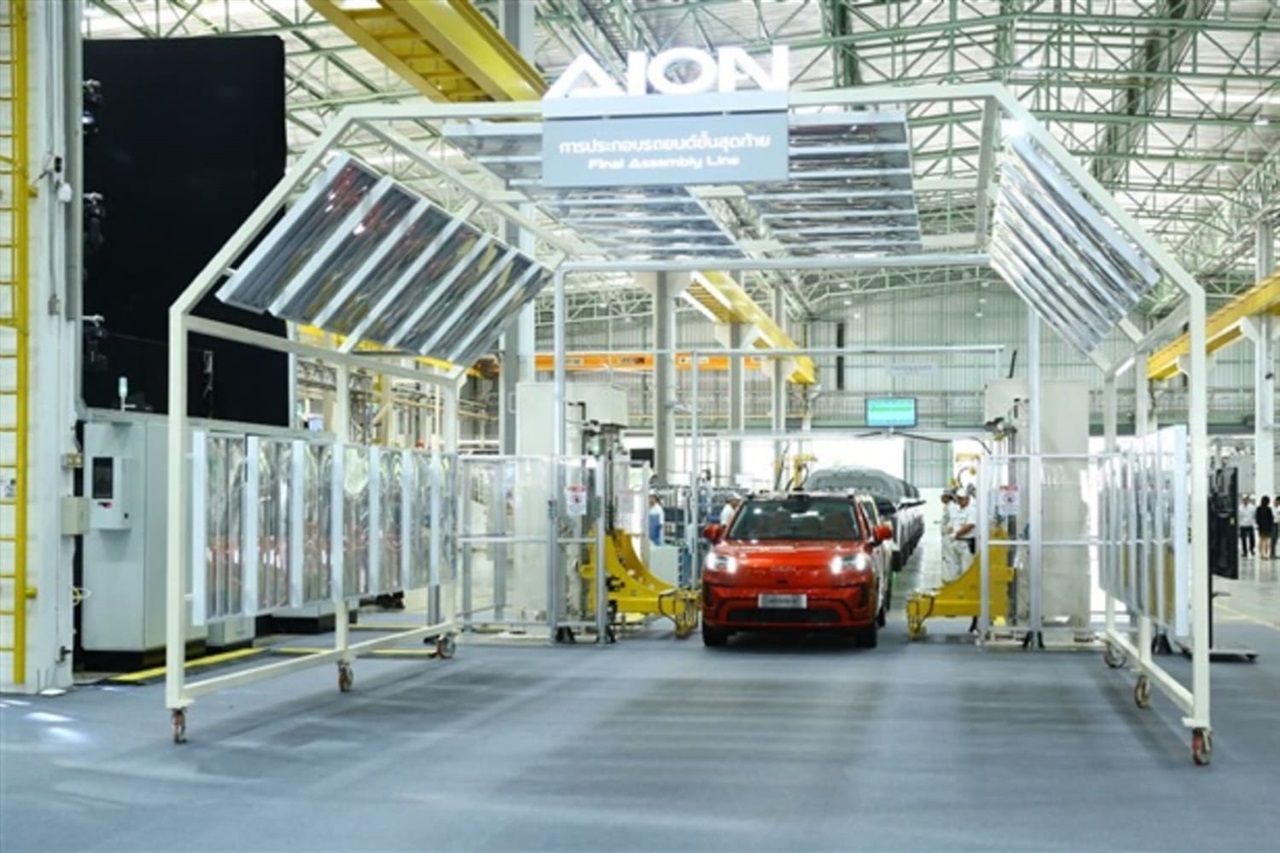
A quality crisis in lithium iron phosphate batteries supplied by China Aviation Lithium Battery (CALB) has affected 210,000 Chinese electric vehicles, including GAC Aion's popular Aion S models used in ride-hailing and taxi services. The failures—cell swelling, electrolyte leakage, and insulation problems—strike at a critical moment when Chinese automakers have been trying to diversify away from dominant supplier CATL, and the scandal may force them to retreat from that plan.
Summaries like this, in your inbox every morning.
Sign up free →What happened
Lithium iron phosphate (LFP) batteries made by China Aviation Lithium Battery (CALB) have developed cell swelling, electrolyte leakage, and insulation failures in ride-hailing and taxi versions of GAC Aion's Aion S across 210,000 vehicles. The quality issue is spreading among automakers who have been moving away from CATL (Contemporary Amperex Technology Co.) batteries.
Why it matters
Chinese automakers have been working to reduce their reliance on CATL, the dominant battery supplier, by diversifying to competitors like CALB. This widespread failure in CALB batteries undermines that strategy and may force automakers back toward CATL or delay their independence plans, potentially giving CATL continued control over battery supply and pricing.
What to watch
The scope and timeline of recalls or replacements for the 210,000 affected vehicles, and whether other automakers using CALB batteries experience similar issues—either outcome could reset the competitive balance in China's EV battery supply chain.
A quality crisis is unfolding in the Chinese EV battery market, centered on lithium iron phosphate (LFP) batteries manufactured by China Aviation Lithium Battery (CALB). The problem has surfaced in ride-hailing and taxi versions of GAC Aion's Aion S, where batteries have developed cell swelling, electrolyte leakage, and insulation failures across 210,000 vehicles. LFP batteries are a cheaper, safer alternative to traditional lithium-ion designs and have become increasingly common in mass-market Chinese EVs.
The scandal arrives at a critical moment for the Chinese automotive industry. For years, major automakers have relied heavily on CATL (Contemporary Amperex Technology Co.), which dominates the battery supply market. To reduce this dependence and gain negotiating leverage, automakers began diversifying their supply chains to include competitors like CALB. CALB has been positioned as a credible alternative, but the widespread failures now undermine that narrative and threaten to setback automakers' plans for genuine supply-chain independence.
Chinese automakers have been pursuing a deliberate strategy to break CATL's grip on the EV battery supply market by developing relationships with alternative suppliers, chief among them CALB. This diversification effort reflects both competitive pressure and the desire to reduce dependence on a single dominant vendor. The emergence of a widespread quality issue in CALB batteries—affecting 210,000 vehicles across multiple customer segments—strikes directly at the credibility of that strategy. If CALB cannot reliably deliver batteries at scale, automakers face a painful choice: accept the risk of using unproven suppliers or retreat to the established supplier they were trying to move away from. The timing is particularly damaging because it occurs while market competition in EV batteries is already intense and quality becomes a differentiator.
AI-summarized, only the topics you pick — one digest a day via Email, Slack, or Discord.
Free · takes 30 seconds · unsubscribe anytime
No comments yet. Be the first to share your thoughts!
Log in to join the discussion


Get curated AI news from 200+ sources delivered daily to your inbox. Free to use.
Get Started FreeFree · takes 30 seconds · unsubscribe anytime
1 minute a day. The AI essentials.
200+ sources · Email / LINE / Slack