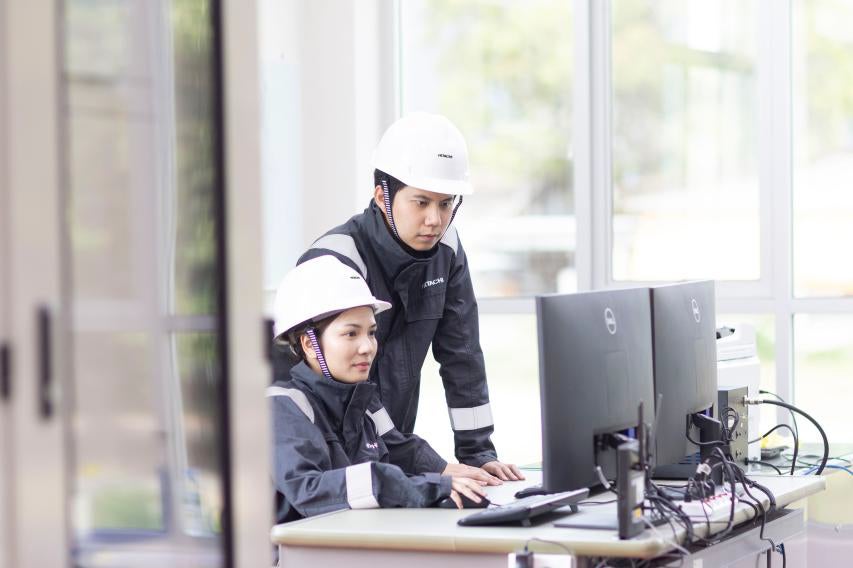
What happened
Hitachi Energy is expanding its partnership with Celonis, the process-intelligence leader, to scale AI use across its global business and support efficiency, supply-chain resilience and delivery of critical power infrastructure.
Why it matters
The companies aim to combine industrial expertise with process intelligence so AI agents can predict supply disruptions and propose countermeasures, supporting productivity and profitability.
What to watch
Hitachi Energy and Celonis will present insights from the partnership at Celosphere 2026.
WHO IT HITSManufacturing and supply-chain teams at Hitachi Energy's operations are the immediate focus, with AI agents expected to help identify at-risk materials and predict supply disruptions. Industrial firms managing complex supply chains may see a model for combining process intelligence with AI.
Summaries like this, every morning.
The expanded partnership sits within Hitachi Energy's company-wide transformation program, AI Nexus, which combines industrial expertise, data, analytics and AI to improve operations and decision-making. The companies frame the collaboration as a response to rising demand for power infrastructure, driven by electrification, industrial growth and AI-enabled data centers. For manufacturers, the pressure points are expanding production capacity, managing complex supply chains and shortening lead times.
Hitachi Energy, Hitachi Digital and Celonis have been working with technology and transformation partners including Databricks and Microsoft to connect digital systems, operational data and AI capabilities into a scalable architecture. Celonis's Context Model integrates information scattered across Hitachi Energy's business systems, so AI agents and automation can grasp relationships and impacts, predict problems and propose countermeasures. For example, AI agents using Celonis process intelligence can help predict supply disruptions with relevant departments, identify production-critical materials at risk of delay, and suggest actions to ensure production continuity.
The applications are expected to reduce manual work and raise responsiveness across increasingly complex industrial operations. Further AI-driven optimization is expected to contribute to productivity, efficiency and profitability while supporting steady execution of Hitachi Energy's orders. The partnership also aims to combine technology with the expertise of the people who design, manufacture and deliver critical infrastructure, turning AI advances into measurable industrial outcomes. Hitachi Energy sees AI as a means to achieve the capacity, speed and efficiency needed to support the expansion of power systems worldwide.
Pick your industry and the AI tools you use, and get news related to your work every day.
Free · 30 seconds with Google · unsubscribe anytimeWhat is AIToday? →
Ask AI anything about this article. The AI reads this article, earlier AIToday articles, and Wikipedia, and cites its sources. Q&As are published on this page for other readers too.
KJ Holdings, which runs the Kawaijuku Group, signed an MOU with Seoul-based IHFB in October 2026 to jointly st…
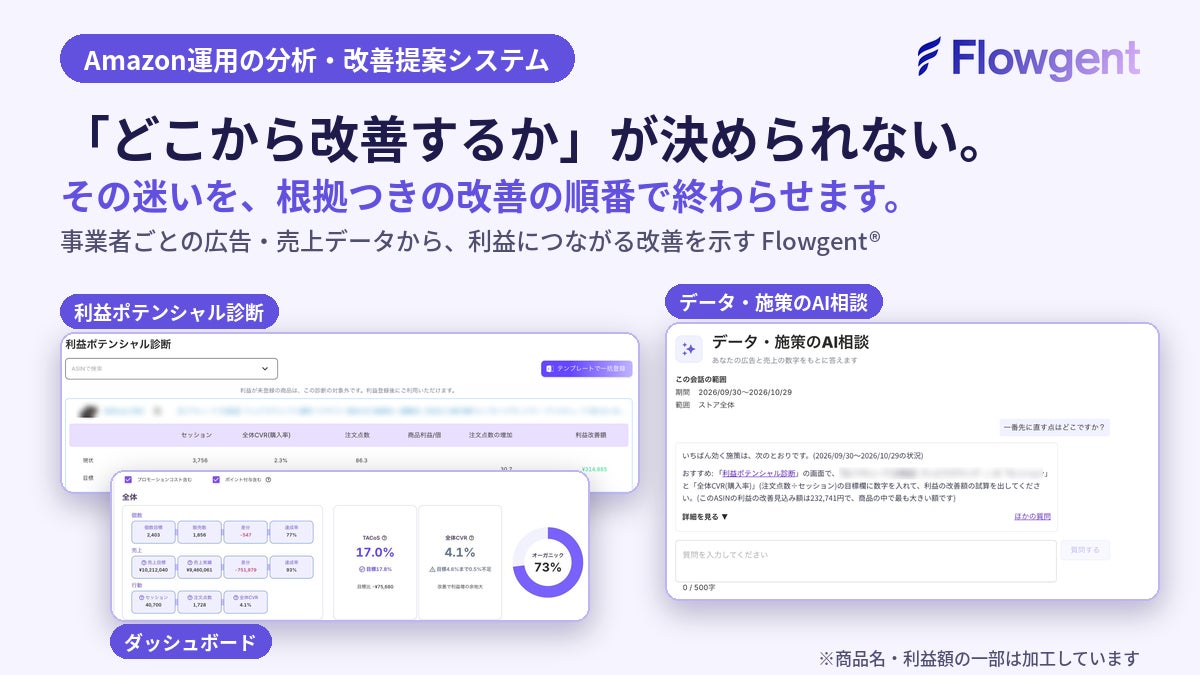
Spesia added an "AI consultation on data and measures" chat to Flowgent, its Amazon operations analysis system
TSS Inc reported total revenue up 20% year-over-year to $50 million, with record systems integration revenue u…

At its Global Brand Launch on October 21, LUXEED introduced the LLounge MPV and Stormax SUV, both with AI smar…

At the Fortune Southeast Asia 500 Summit in Vietnam on Nov
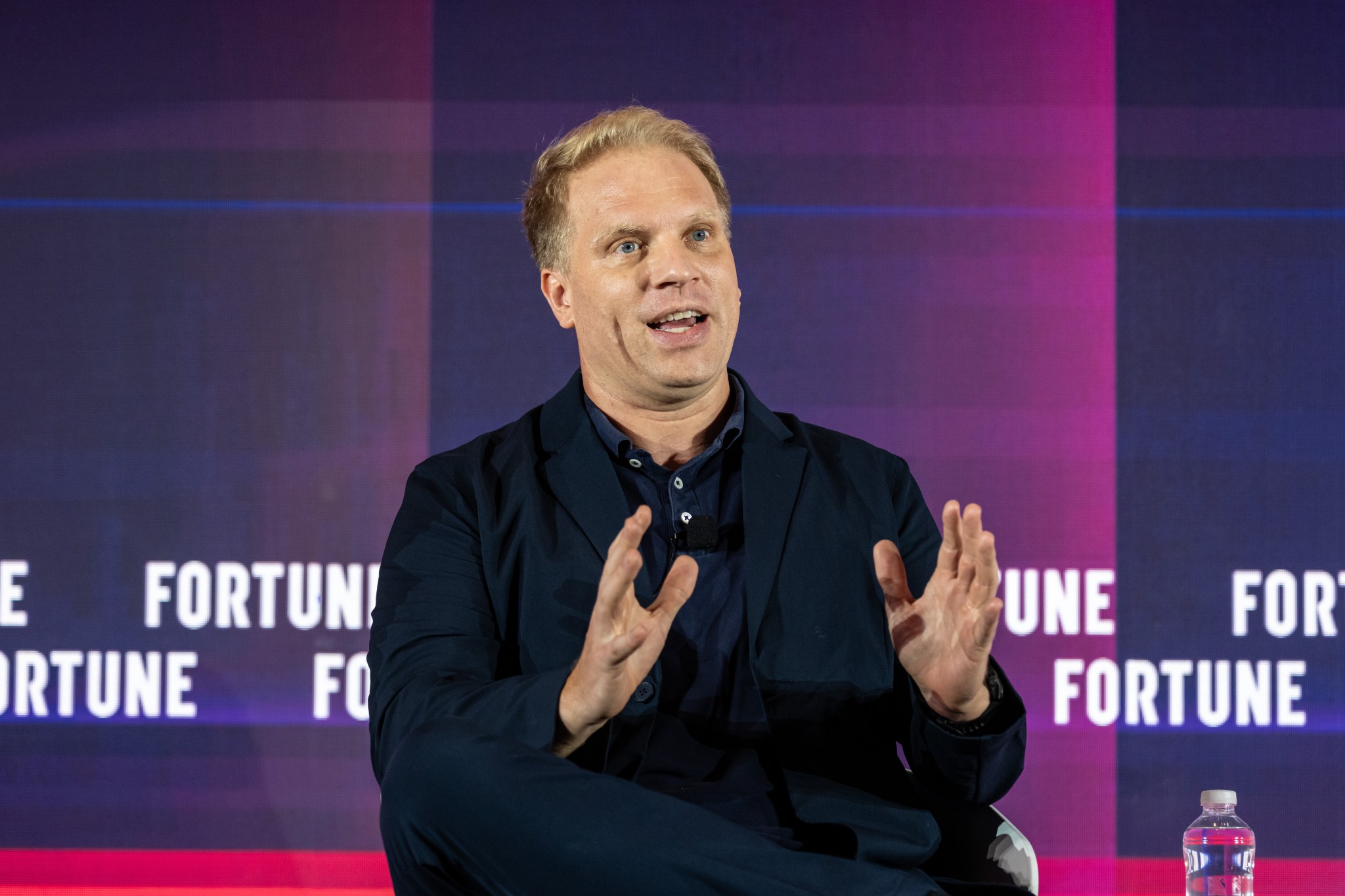
MUFG and global banks including Barclays, BNP Paribas, Citi Ventures and Societe Generale took strategic stake…