SOMPOケア has deployed AI meeting-minutes software to all 1,100 of its care facilities, cutting administrative work by ~10 hours monthly per site and freeing staff to focus on resident care. The company is simultaneously piloting AI-assisted care plan creation (expected to save ~3 hours per new plan) and AI cameras for safety monitoring. Together, these efforts have generated ¥15 billion in productivity gains this fiscal year, which the operator is reinvesting into staff compensation—a direct response to Japan's persistent care-sector staffing crisis.
Summaries like this, in your inbox every morning.
Sign up free →What happened
SOMPOケア (a major Japanese long-term care operator) has completed deployment of an AI-powered meeting-minutes tool across all 1,100 facilities as of March this year. The company is also conducting full-scale trials of an AI tool that auto-drafts care plans and an AI camera system for fall prevention and safety monitoring.
Why it matters
The company reports that the meeting-minutes tool saves approximately 10 hours per facility per month, allowing care staff to spend more time with residents instead of on paperwork. AI-assisted care plan drafting is expected to cut initial plan creation time by about 3 hours per instance. These efficiency gains have generated approximately ¥15 billion in economic benefit in the current fiscal year, and the company is reinvesting these gains into staff compensation improvements—addressing Japan's acute care-sector labor shortage while improving worker retention.
What to watch
SOMPOケア plans to begin full deployment of the care-plan AI tool at facilities this fiscal year and has already secured staffing-ratio waivers at 148 nursing homes nationwide. The AI camera trials began this month; the company projects the system will save roughly 7 hours per facility per month on accident documentation and reporting. The company is also researching physical AI robots (for cleaning and meal service) and considering facility mergers and expansions.
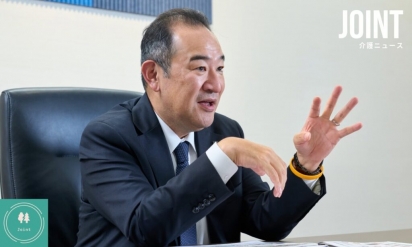
SOMPOケア's aggressive AI deployment reflects a strategic response to Japan's deepening care-sector labor shortage. By automating routine documentation tasks—meeting minutes, care plan drafting, and incident reporting—the company is freeing staff to engage directly with residents, a critical factor in care quality and worker satisfaction. The company reports having already realized ¥15 billion in productivity gains this fiscal year, and it is explicitly channeling these savings into staff compensation rather than pure cost reduction. This framing matters: CEO Takamitsu Wasumi emphasized in the interview that technology adoption is "not merely for efficiency or cost-cutting" but for "addressing the labor shortage and realizing morally sound, human-centered care."
The scale of the rollout is notable. Deployment across 1,100 facilities represents near-total saturation of SOMPOケア's current footprint, and the company has already secured staffing-ratio waivers at 148 nursing homes by demonstrating productivity improvements. This signals regulatory acceptance of AI-driven efficiency as a legitimate path to compliance in Japan's heavily regulated care space. The announced plans to introduce physical AI robots for cleaning and meal service, along with facility mergers and expansions, suggest SOMPOケア views AI not as a one-off efficiency tool but as foundational to a larger restructuring of its operational model.
Wasumi's closing statement—that the company will "widely provide and share" its model with competitors to strengthen the industry as a whole—indicates awareness that SOMPOケア's survival alone will not solve Japan's care crisis. This stance may also position the company favorably with government bodies and investors concerned about sector-wide sustainability.
No comments yet. Be the first to share your thoughts!
Log in to join the discussion




Get curated AI news from 200+ sources delivered daily to your inbox. Free to use.
Get Started FreeFree · takes 30 seconds · unsubscribe anytime
1 minute a day. The AI essentials.
200+ sources · Email / LINE / Slack
