What happened
Microsoft says its own AI transformation delivered a 20% increase in sales deal close rates, supply-chain cycle times cut by up to 75%, and a 35-day product release by a nine-person team, and it has packaged these lessons into the Microsoft Frontier Playbook and a new offering, Microsoft Frontier Company.
Why it matters
Microsoft is positioning its own results as proof that value comes from redesigning workflows and putting employees at the center, not from deploying AI tools alone — a message aimed at enterprise leaders weighing their own AI investments.
What to watch
The results are drawn from Microsoft's internal teams and specific measurement periods, so the test is whether customers can reproduce them. Watch how Microsoft Frontier Company translates the playbook into customer outcomes.
WHO IT HITSThis lands on enterprise CIOs, HR and transformation leaders, and operations managers who are deciding how to move their AI pilots into production. Microsoft's message — that access to AI is not the differentiator, but how you redesign work around it is — gives them a vendor-backed argument for investing in process change and employee skills, not just licenses.
Summaries like this, in your inbox every morning.
Microsoft is making a deliberate argument that the hard part of AI is not the technology but the organizational change around it. The company says it learned this by acting as its own first customer — a role it calls Customer Zero — starting from business outcomes rather than tool deployments. Early on, it treated AI like a traditional rollout, and found that broad access alone did not change how work got done: usage plateaued and impact did not materialize. The turning point, according to Microsoft, was mapping how account managers spent their week and building agents for specific moments — an Analyst agent for pipeline, a Deal agent for deal packages, and Researcher for customer understanding — which tripled adoption of priority use cases.
The supply-chain example illustrates a second lesson: adding agents to a broken process still leaves a broken process. Microsoft says its cloud supply chain team simplified workflows end to end and created a single source of truth before deploying more than 100 purpose-built agents. That shift is presented as moving beyond speed to new value — planners who once spent five to seven days tracing a demand plan change can now get an answer in hours, and sometimes in less than 20 minutes.
The stakes for Microsoft are twofold. If customers can reproduce these results, the playbook becomes a credible differentiator for its enterprise offerings and for Microsoft Frontier Company. If the gains prove specific to Microsoft's own teams and measurement periods — as the company's own footnotes acknowledge — then the broader claim that organizations can build a continuously learning loop independent of any one model provider may remain harder to demonstrate at scale.
For example, today's edition would include:
AI-summarized, only the topics you pick — one digest a day via Email, Slack, or Discord.
Free · 30 seconds with Google · unsubscribe anytimeWhat is AIToday? →
Ask AI anything about this article. Q&As are published on this page for other readers too.
ServiceNow introduced AI Control Tower, Context Engine, and Shift Zero, tools for managing AI agent access, id…
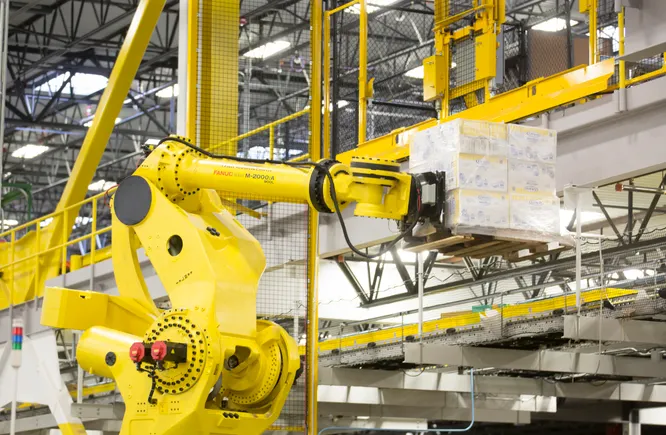
At an IMTS media panel in Chicago, Honeywell Technologies CTO Mehul Patel predicted companies will eventually…
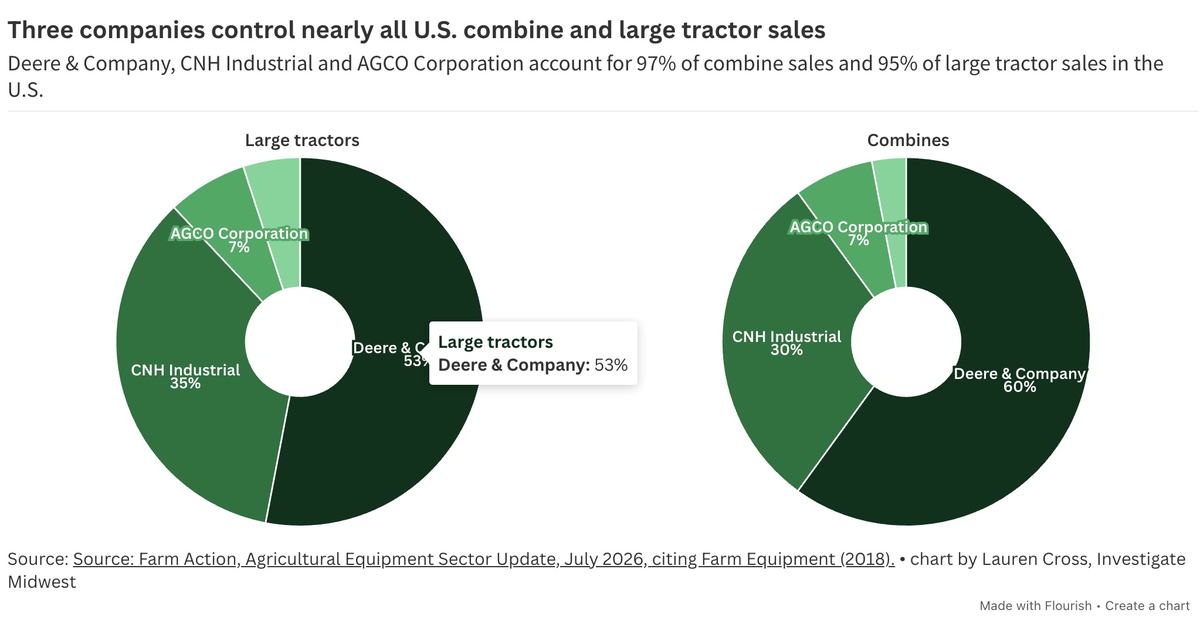
On Sept. 1, Deere introduced JD, an AI assistant in its operations center that lets farmers ask about their ow…
Morgan Stanley analyst Matthew Cost began covering Booking Holdings with an Overweight rating and a $230 price…

CEO Jim Taiclet told a Morgan Stanley panel Lockheed will pair the F-35 and advanced missiles with cheaper aut…
Lockheed Martin completed a Riyadh summer internship for Saudi university students in AI, robotics and advance…