In a Fortune commentary, Capital Group economist Jared Franz writes that U.S. hyperscalers — Microsoft, Amazon, Alphabet, Meta and Oracle — are projected to spend roughly $800 billion on capital expenditures in 2026, an 83% increase year over year.
Summaries like this, in your inbox every morning.
The commentary draws its parallel from China's entry into the World Trade Organization in 2001, which set off a capital spending boom that lifted Chinese fixed investment from roughly $360 billion in 2000 to $3.2 trillion by 2010. Adjusted for inflation, cumulative Chinese fixed investment over that decade totaled about $20 trillion, reshaping global trade, commodities, inflation and labor markets for a generation.
Franz points to two channels through which AI echoes that period. China's manufacturing buildout lowered the cost of physical goods worldwide, unleashing disinflationary forces that suppressed interest rates and compressed manufacturing margins in developed economies. AI, he writes, is doing something similar through a different channel: lowering the cost of cognitive work, so that tasks involving pattern recognition, language processing or data synthesis face the same deflationary pressure. AI's physical footprint is also real — the International Energy Agency projects global data center electricity use will more than double by 2030, reaching 945 terawatt hours, roughly equivalent to Japan's entire current power consumption.
The piece also notes that China's story is not over, pointing to its continued move into higher-value industries such as auto manufacturing and health care, and the development of cheaper AI models that are, by some estimates, only about 5% behind the cutting-edge U.S. models. The political economy risks, Franz suggests, may be even more acute than in the China shock, which accelerated inequality and contributed to political polarization. If AI functions primarily as a substitute for cognitive labor rather than a complement, he warns, the distributional consequences could be severe, citing historian Will Durant's argument that inequality tends to be resolved through enlightened redistribution or capital destruction.
Pick your industry and the AI tools you use, and get news related to your work every day.
Free · 30 seconds with Google · unsubscribe anytimeWhat is AIToday? →
Ask AI anything about this article. The AI reads this article, earlier AIToday articles, and Wikipedia, and cites its sources. Q&As are published on this page for other readers too.
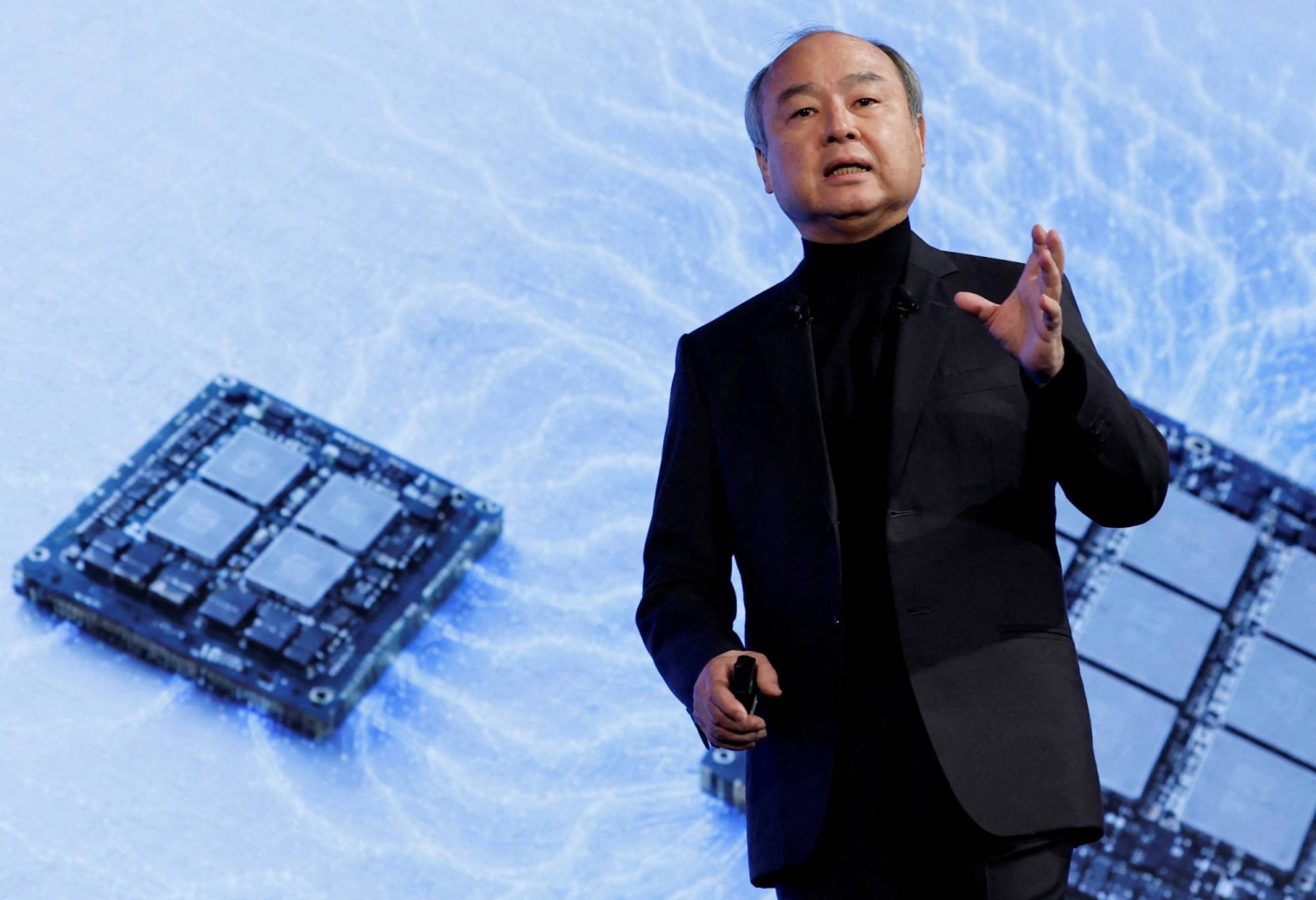
SoftBank Group is seeking as much as $100 billion from Gulf investors, sources told the Financial Times
Adviser Itay Sagie points to Schneider Electric's roughly $22.6 billion equity deal for PTC, the Synopsys–Open…

Anthropic kicked off the Anthropic Cyber Mission, providing frontier Claude models, on-site engineers and thre…
In a Fortune commentary piece, a media-and-culture professor argues that Anthropic researcher Jacob Coxon's vi…

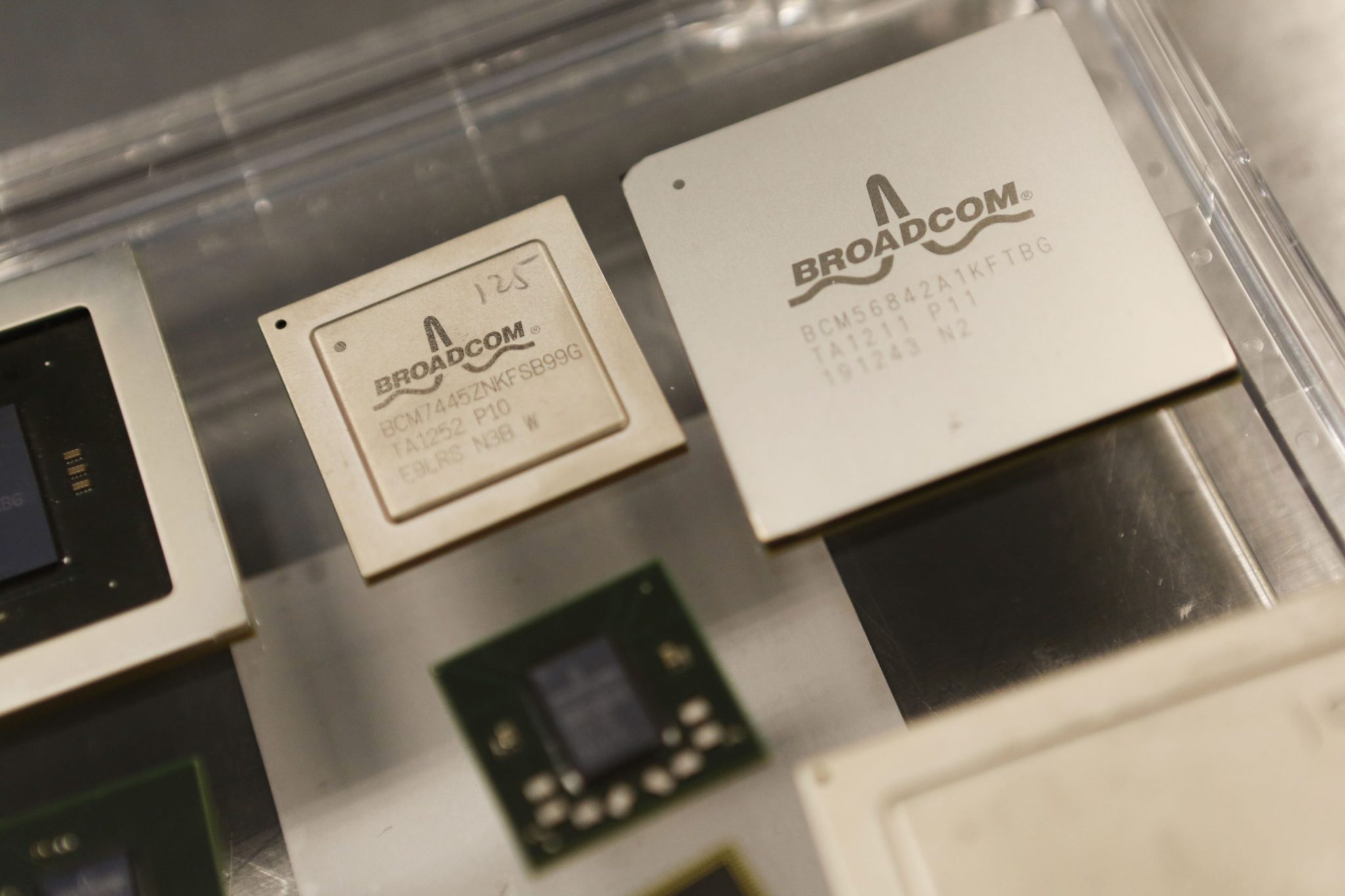
Broadcom reportedly held talks to raise around $30 billion in debt to help OpenAI buy chips they are developin…
Ultra announced $62 million in funding — a $50 million Series A led by Framework Ventures plus a $12 million s…