AIToday
RoboticsAI in HealthcareTop Companies' AI MovesTop Companies AI — US (2/2)Published: Aug 11, 2026, 06:30 JST2 min read

Google, Cleveland Clinic partner on AI-powered surgical robots

Google, Cleveland Clinic partner on AI-powered surgical robots

Key takeaway

  • Google and Cleveland Clinic are partnering to develop AI-powered robotic surgical systems aimed at improving precision and reducing complications in the operating room.

  • This collaboration leverages Google's artificial intelligence capabilities alongside Cleveland Clinic's surgical expertise to create technologies that could enhance patient safety and surgical outcomes.

3 Key Points

  1. What happened

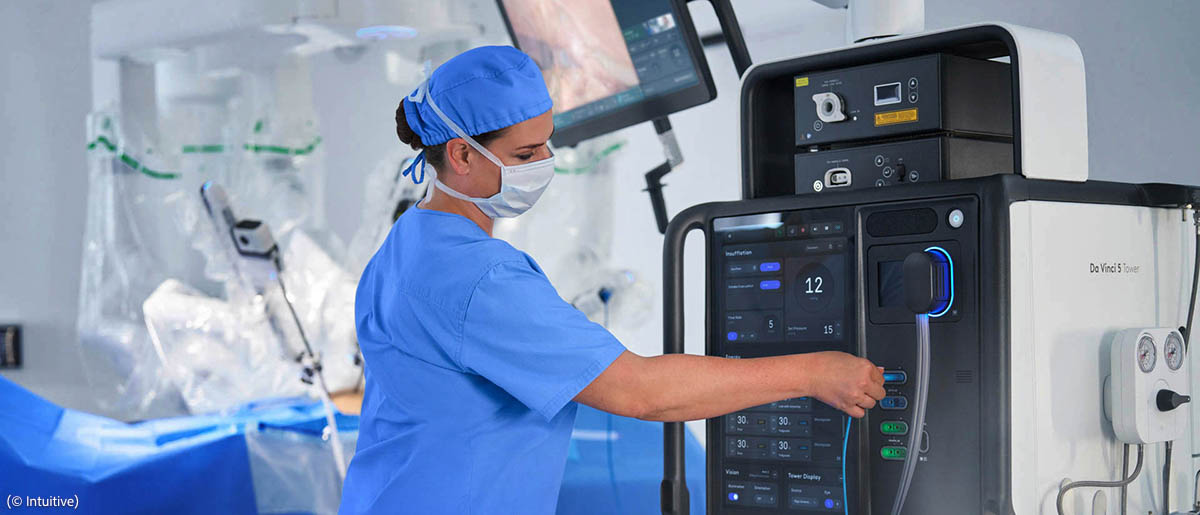
    Google and Cleveland Clinic announced a partnership to develop AI-powered robotic systems designed to improve surgical outcomes. The collaboration combines Google's AI expertise with Cleveland Clinic's surgical experience to create technologies that aim to enhance precision and reduce complications in operating rooms.

  2. Why it matters

    Robotic surgery systems guided by AI could reduce human error, improve patient safety, and potentially lower recovery times and costs. For healthcare systems and surgeons, this represents a path toward more reliable, data-informed surgical procedures that may enhance treatment quality.

  3. What to watch

    The partnership will demonstrate whether AI-assisted robotic systems can translate research findings into practical clinical improvements at a major health system. Future deployments at Cleveland Clinic facilities will indicate whether the technology can scale across the broader surgical community.

In Depth

Read the full story

Google and Cleveland Clinic have entered a partnership to develop artificial intelligence-powered robotic surgical systems aimed at improving surgical outcomes. The collaboration brings together Google's expertise in artificial intelligence and robotics with Cleveland Clinic's deep experience in surgical care and patient treatment. The partnership centers on creating technological solutions that can enhance the precision of surgical procedures and reduce the likelihood of complications during operations. By combining Google's computational capabilities with Cleveland Clinic's clinical knowledge and surgical data, the two organizations intend to develop systems that assist surgeons in the operating room through AI-guided decision support and robotic precision. The goal is to translate research and development into practical improvements that benefit patients through safer, more reliable surgical care. This initiative reflects a broader trend in healthcare technology where advanced AI systems and robotic platforms are being adapted to support complex surgical procedures and improve overall patient outcomes.

Context & Analysis

The announcement reflects a growing convergence between major technology companies and healthcare institutions to address surgical safety and precision. Cleveland Clinic, as one of the United States' leading academic medical centers, brings extensive surgical data and clinical expertise, while Google contributes advanced AI and robotics capabilities. This partnership model—pairing technology firms' computational resources with established healthcare systems' clinical authority—has become increasingly common as both sectors recognize that surgical outcomes depend not only on surgeon skill but also on data-driven decision support and mechanical precision. The focus on AI-assisted surgery addresses a well-documented challenge in healthcare: human error remains a significant factor in surgical complications, and robotic systems guided by machine learning can potentially flag risks and guide technique in real time.

FAQ

What is the partnership between Google and Cleveland Clinic about?
The two organizations announced a partnership to develop AI-powered robotic systems designed to improve surgical outcomes by combining Google's AI expertise with Cleveland Clinic's surgical experience.
How could AI-powered surgical robots benefit patients?
The technology aims to enhance surgical precision, reduce human error, and potentially lower complications, recovery times, and costs for patients undergoing surgery.
Top Companies AI — US (2/2)Read Original Article

Get the latest Robotics news every morning

AI-summarized, only the topics you pick — one digest a day via Email, Slack, or Discord.

Free · takes 30 seconds · unsubscribe anytime

Ask AI

Ask AI anything about this article. Q&As are published on this page for other readers too.

Related Articles

Next articleJapanese cybersecurity stocks seen resilient against AI disruption

The AI news that matters, in one minute each morning.

Sign up free