What happened
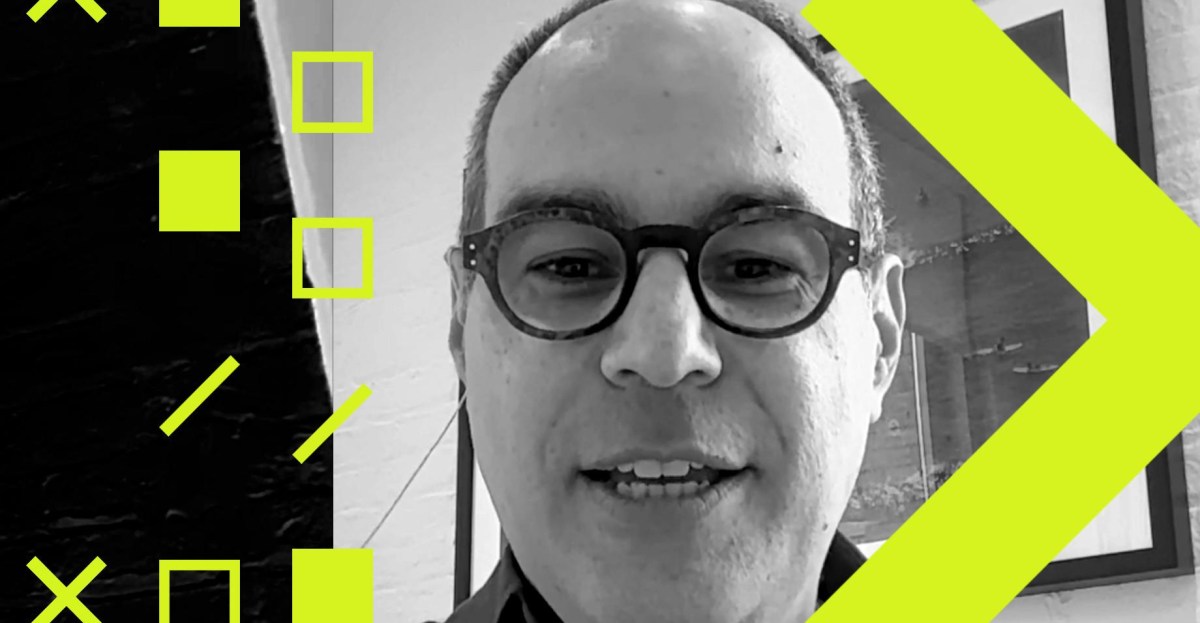
Jonathan Kanter, the former DOJ antitrust chief under Biden, said the big AI labs — including Anthropic and Google DeepMind — don't need an antitrust exemption to build safe products.
Why it matters
He argues their request could be a route to a cartel, letting cash-hemorrhaging firms slow the pace of innovation before going public without competing as hard.
What to watch
He says existing antitrust law already permits legitimate safety collaboration, such as a clearinghouse for sharing threat data, so the fight hinges on whether Congress clarifies liability.
WHO IT HITSPolicy teams at frontier AI labs and their IPO advisors should note that the argument for coordinating on safety is being framed as a possible cartel, which could raise antitrust scrutiny of any joint safety commitments.
Summaries like this, in your inbox every morning.
Kanter's argument lands in the middle of a widening debate about who controls the rules for frontier AI. He describes the industry's own safety push as ranging from a generous fear of driving with no lines on the road to a more cynical desire to pause spending and protect IPO valuations. In his telling, neither reading justifies an antitrust exemption. The friendly, existing path for cooperation is narrower: a repository where companies can share information about threats and malicious bots, which he says other industries already do without violating competition law.
His comments also highlight an unusual political alignment. He notes that David Sacks, a former Trump AI czar, has approvingly retweeted Lina Khan's view that existing antitrust law is sufficient, while figures from opposing camps have shared stages to call for a halt to AI development. Kanter traces part of this to the 15–20 years of hands-off treatment that began with Section 230 and lasted across administrations, which he says eroded public trust in tech companies.
Looking ahead, he places the immediate burden for clear liability rules on Congress, which he describes as unable to act, leaving product liability and state-level rules to fill the gap. The Meta child-safety case, which took a decade and ended in a settlement, is his example of how slow that backstop can be. For the AI labs, the practical test is whether they can show that coordination on safety stays within existing law, or whether their requests are read as an attempt to soften competition ahead of public listings.
For example, today's edition would include:
AI-summarized, only the topics you pick — one digest a day via Email, Slack, or Discord.
Free · 30 seconds with Google · unsubscribe anytimeWhat is AIToday? →
Ask AI anything about this article. Q&As are published on this page for other readers too.
SpaceX raised nearly $86 billion and reached a $2.7 trillion valuation at its IPO, then fell below its $150 op…

The article concludes Micron is the better 2027 stock, citing its 6.25 times fiscal 2027 earnings and expected…

Nathan Lambert argued his "lossy self-improvement" scenario remains his baseline, where agents make models che…
Anthropic cofounder Jack Clark, an English literature and creative writing graduate, said his literary educati…
Anthropic said Claude now leads 26% of its model research and development, completing most tasks "end-to-end f…
OpenAI's global affairs chief Chris Lehane told The Verge that "the AI policy window is open," urging Congress…