What happened
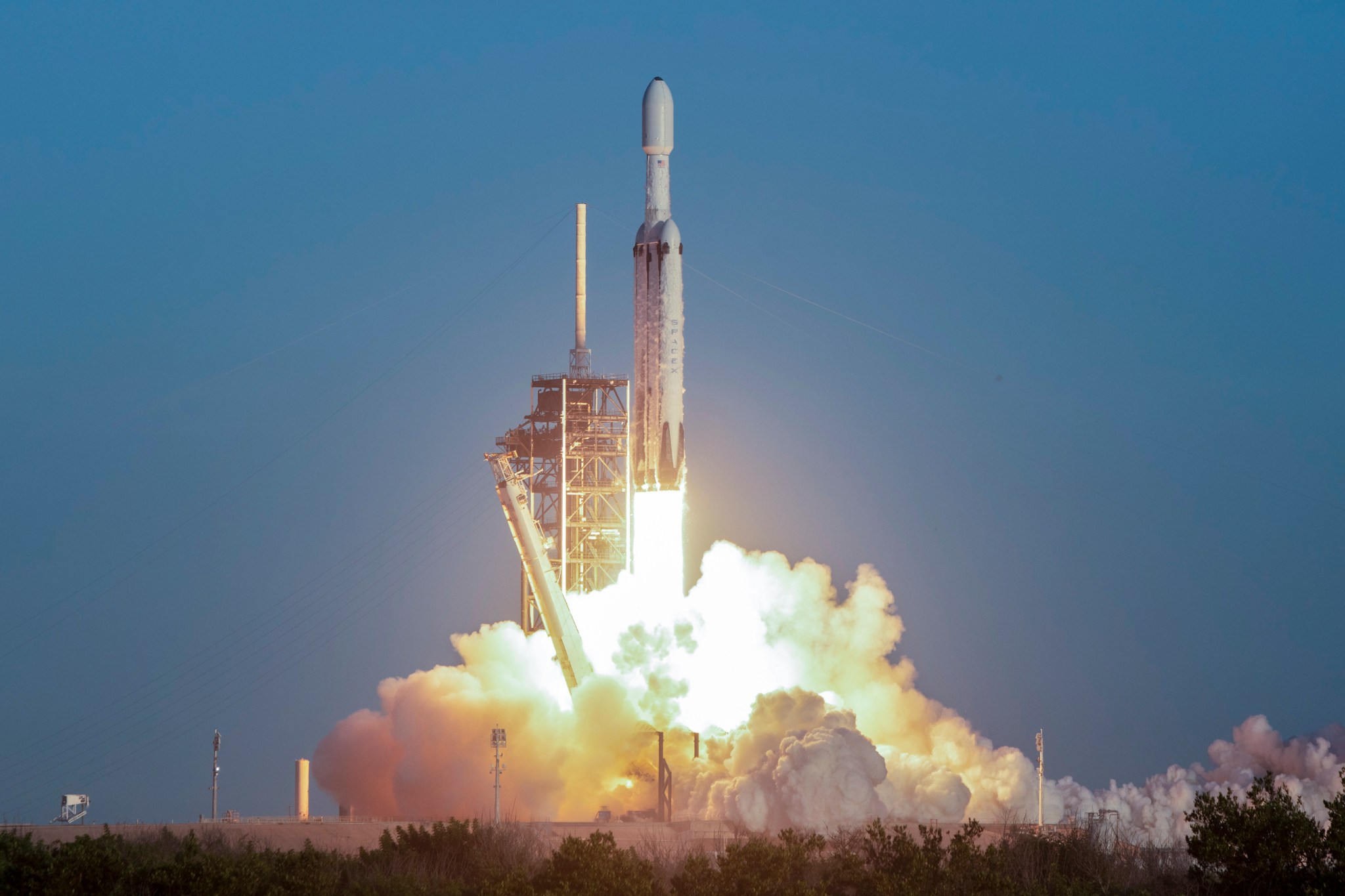
Google's Project Suncatcher launched a refrigerator-sized satellite carrying four AI chips on Oct. 1, developed with Planet Labs, and Google says it is operating as expected.
Why it matters
Google said its chips survived a radiation dose greater than a five-year mission's on the ground, so this flight tests whether that holds in orbit.
WHO IT HITSThis lands on data-center site planners and infrastructure investors weighing power, water and land constraints, and on chip designers assessing whether TPU-class hardware can run reliably in orbit.
Summaries like this, in your inbox every morning.
Google's Project Suncatcher dates back to November 2025, when the company said it would explore how an interconnected network of solar-powered satellites equipped with its Tensor Processing Unit (TPU) AI chips could harness the full power of the Sun. The launch with Planet Labs is the first physical test of that idea.
The broader interest in orbital data centers followed SpaceX's filing with the Federal Communications Commission in early 2026 for a network of up to 1 million data-center satellites, and Blue Origin's March proposal for 51,600 satellites under Project Sunrise. Elon Musk said at the World Economic Forum in January that the lowest-cost place to put AI will be space, within two years, maybe three. Google had already been working on the concept before that attention arrived.
Obstacles remain. Jeff Thornburg, CEO of Portal Space Systems, has said the large and heavy solar arrays needed would be expensive to transport, even as SpaceX cut estimated launch costs by 95% since 2008 to about $1,000 per kilogram, according to ARK Invest research. Repairing equipment in space is also harder. James Manyika, Google's senior vice president for research, told the New York Times that Google researched for about 15 years before anything showed up, and he expects this to look similar.
Pick your industry and the AI tools you use, and get news related to your work every day.
Free · 30 seconds with Google · unsubscribe anytimeWhat is AIToday? →
Ask AI anything about this article. The AI reads this article, earlier AIToday articles, and Wikipedia, and cites its sources. Q&As are published on this page for other readers too.
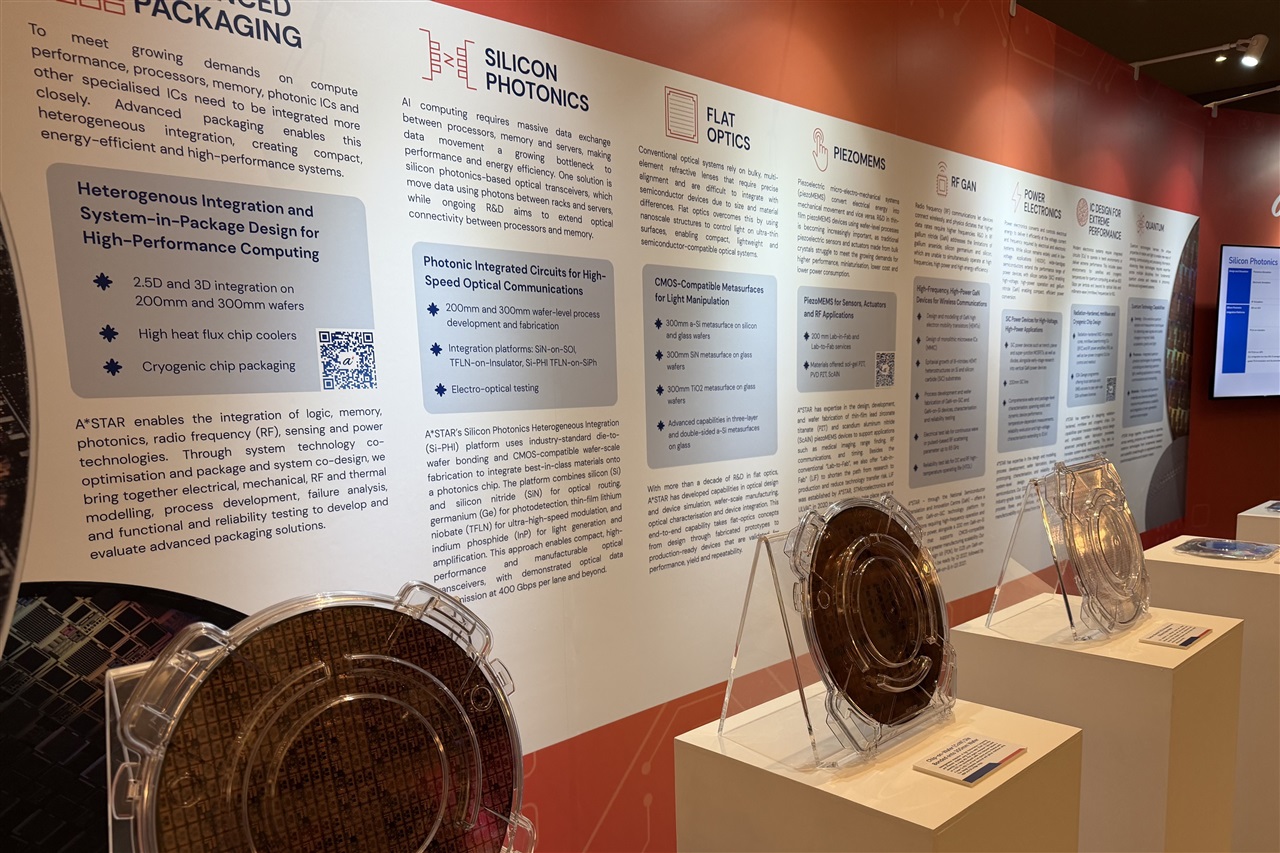
Yole Group analyst Nur Hilwani said Malaysia is moving from traditional semiconductor back-end manufacturing t…
Vannor launched its agentic marketing model, in which autonomous AI agents research, create, review, publish a…
AWS CEO Matt Garman said on a16z's podcast with Raghu Raghuram that AI spending bubble concerns are overstated…

Andreessen Horowitz's seventh Top 100 AI list used YipitData card panels to track US spending for the first ti…

Microsoft, Alphabet, Meta and Amazon are expected to spend more than $700 billion on AI infrastructure this ye…
A project team submitted AI Consumer Research Simulator to the 5th Agentic AI Hackathon with Google Cloud


