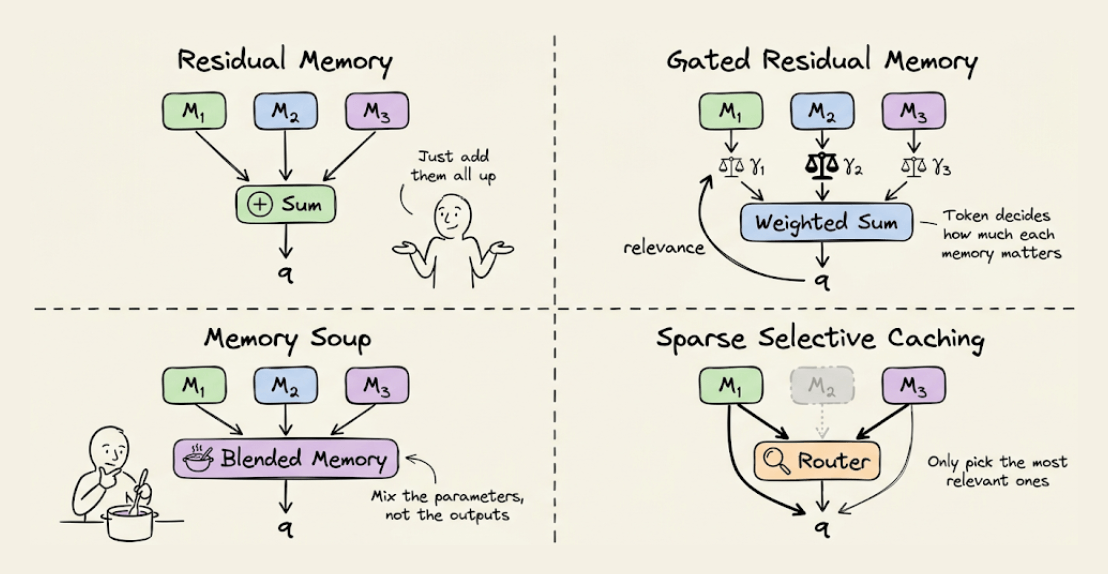
Google addresses a longstanding limitation of RNNs by creating a model that combines strengths of both RNNs and Transformers
The new approach provides better performance than traditional RNNs while maintaining computational efficiency advantages
This hybrid architecture offers a practical middle ground for sequence processing tasks that don't require full Transformer complexity
Ask the AI about this article →
For example, today's edition would include:
AI-summarized, only the topics you pick — one digest a day via Email, Slack, or Discord.
Free · takes 30 seconds · unsubscribe anytimeWhat is AIToday? →
Ask AI anything about this article. Q&As are published on this page for other readers too.
Google DeepMind chief Koray Kavukcuoglu said being at the frontier of AI is the only thing that matters to the…

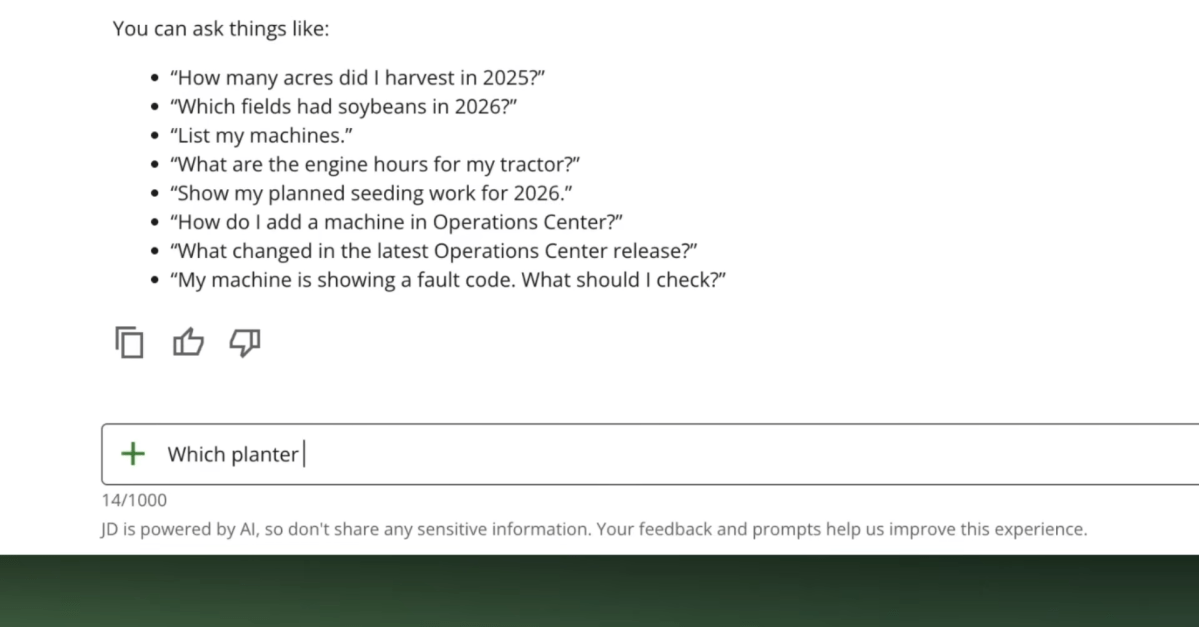
John Deere is testing an AI assistant called “JD” that answers farmers' questions on topics like equipment set…
Google has launched Google Pics, a new suite of creative design tools for Workspace users, built around Gemini…

OpenAI said today that it is integrating ChatGPT Health with Epic's electronic health record (EHR) system, whi…

Google is launching Google Pics, an AI-powered image creation and editing tool that will be part of Google Wor…

Google DeepMind launched agentic video understanding across Gemini 3.7 Flash, 3.6 Flash, and 3.5 Flash-Lite