What happened
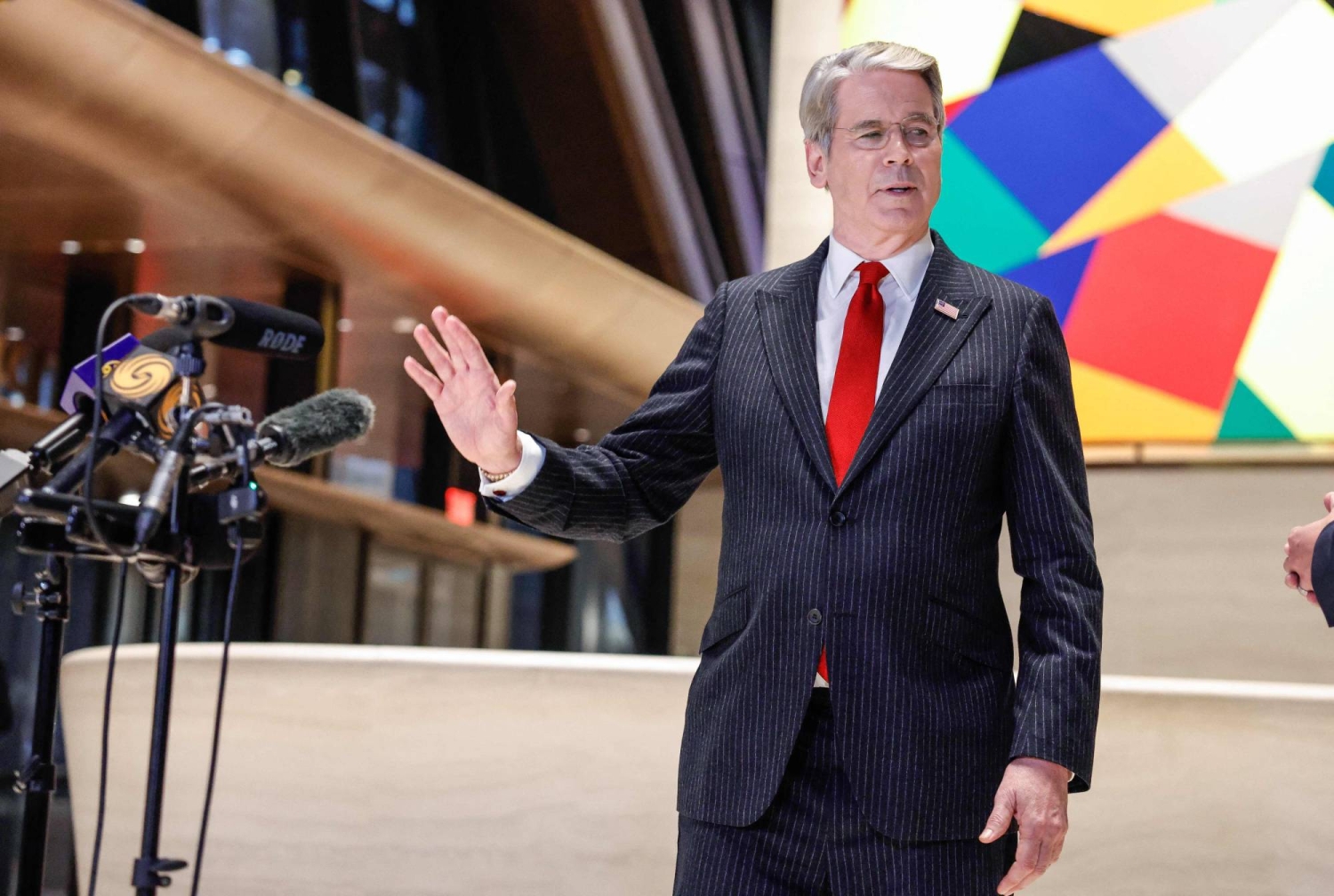
After hours of talks in New York with Vice Premier He Lifeng, Treasury Secretary Scott Bessent said the two sides agreed to set up a 'U.S.-China AI dialogue' on goals and threats, with a proposed notification mechanism.
Why it matters
The dialogue is meant to build a shared view of common goals and common threats, which could give both sides a channel to flag AI-related concerns to each other, according to Bessent.
What to watch
It is unclear whether the dialogue will produce concrete agreements, since the body only says a working group will continue discussions and the two sides plan to meet again. Watch for the working group's discussions on Monday.
WHO IT HITSThe planned dialogue is likely to matter most to government officials and trade negotiators on both sides who handle AI and tech policy, as well as to companies whose cross-border AI work could be affected by any shared understanding on goals and threats.
Summaries like this, in your inbox every morning.
The New York talks brought U.S. Treasury Secretary Scott Bessent together with China's Vice Premier He Lifeng and other officials for hours of discussions that covered artificial intelligence, trade and investment. Bessent described the talks as 'very successful,' and the concrete result he pointed to was an agreement to set up a dialogue on AI aimed at reaching a common understanding on goals and threats. The U.S. side also proposed a notification mechanism between the two countries, which Bessent said would be called the 'U.S.-China AI dialogue.'
The talks did not end there: top Chinese trade negotiator Li Chenggang said the discussions were held in a good atmosphere, and a working group would continue discussions on Monday. The two sides also plan to meet again. The meeting comes ahead of a summit between leaders Donald Trump and Xi Jinping later this week, when Trump is scheduled to host Xi at the White House in the Chinese leader's first state visit to Washington in more than a decade.
What the AI dialogue ultimately delivers may hinge on whether the working group's continued discussions and the planned follow-up meeting turn the stated shared vision into concrete arrangements. For now, the body offers no details on what specific goals or threats the two sides might agree on, so the practical effect of the dialogue on AI policy or cross-border AI work remains to be seen.
For example, today's edition would include:
AI-summarized, only the topics you pick — one digest a day via Email, Slack, or Discord.
Free · 30 seconds with Google · unsubscribe anytimeWhat is AIToday? →
Ask AI anything about this article. Q&As are published on this page for other readers too.
Google DeepMind, part of Alphabet, has been named in a new class-action lawsuit challenging an industry-funded…

After a cabinet-level meeting in New York with Chinese Vice Premier He Lifeng and others, US Treasury Secretar…
Visa joined Mastercard and Ant International to design a shared Know Your Agent framework, aimed at standardis…

Trump said on Saturday (September 19) he plans a federal "AI Force" and an AI "czar," compared it to the Space…
Holistic AI co-CEO Emre Kazim published a critique of Dario Amodei's essay "We Must Pace the Frontier," noting…

A lawsuit filed Friday in the U.S