Google is testing a new experimental category called "Agentic Browsing" in its Lighthouse analysis tool. The audit checks four areas: integration of Google's WebMCP API, the accessibility tree (the core data model for machines), visual stability via Cumulative Layout Shift (CLS), and presence of an llms.txt file.
Unlike classic Lighthouse tests, there is no 0–100 score; instead, developers receive a ratio of passed checks. The category is based on proposed standards that are not yet final.
In testing, Airbnb passed only one of three Agentic Browsing checks: the accessibility tree wasn't well-formed, the llms.txt fetch failed, and all WebMCP audits came back as not applicable. Google recommends developers use semantic HTML, proper ARIA labels, and minimize layout shifts to prepare pages for AI agent interaction.
Ask the AI about this article →
For example, today's edition would include:
AI-summarized, only the topics you pick — one digest a day via Email, Slack, or Discord.
Free · takes 30 seconds · unsubscribe anytimeWhat is AIToday? →
Ask AI anything about this article. Q&As are published on this page for other readers too.
Google DeepMind chief Koray Kavukcuoglu said being at the frontier of AI is the only thing that matters to the…

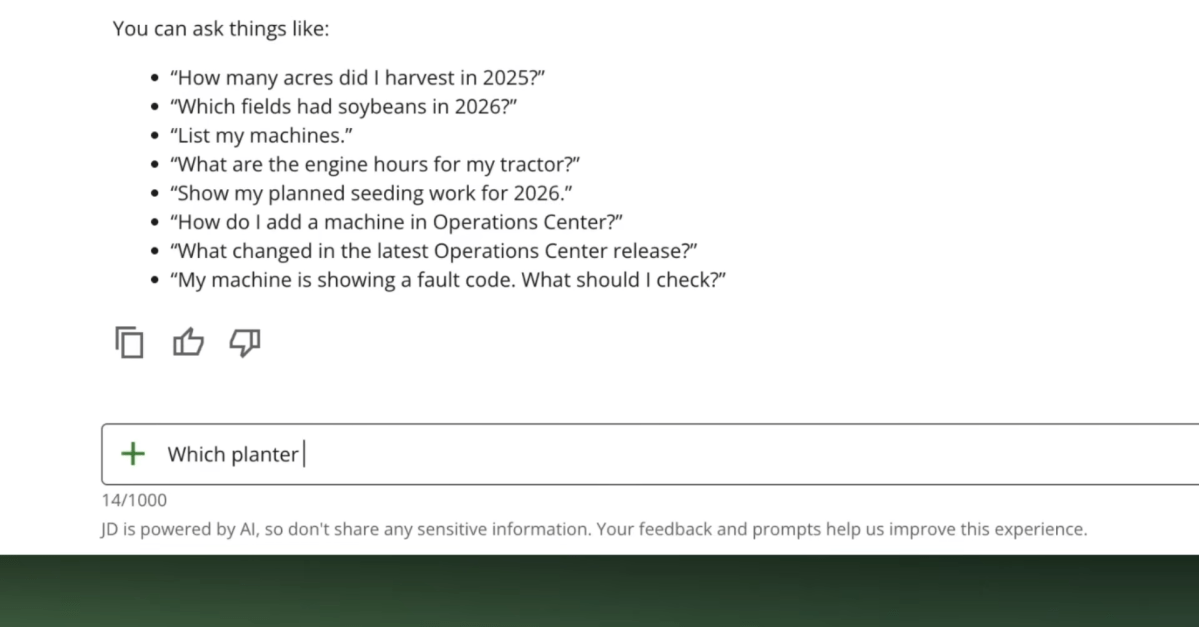
John Deere is testing an AI assistant called “JD” that answers farmers' questions on topics like equipment set…
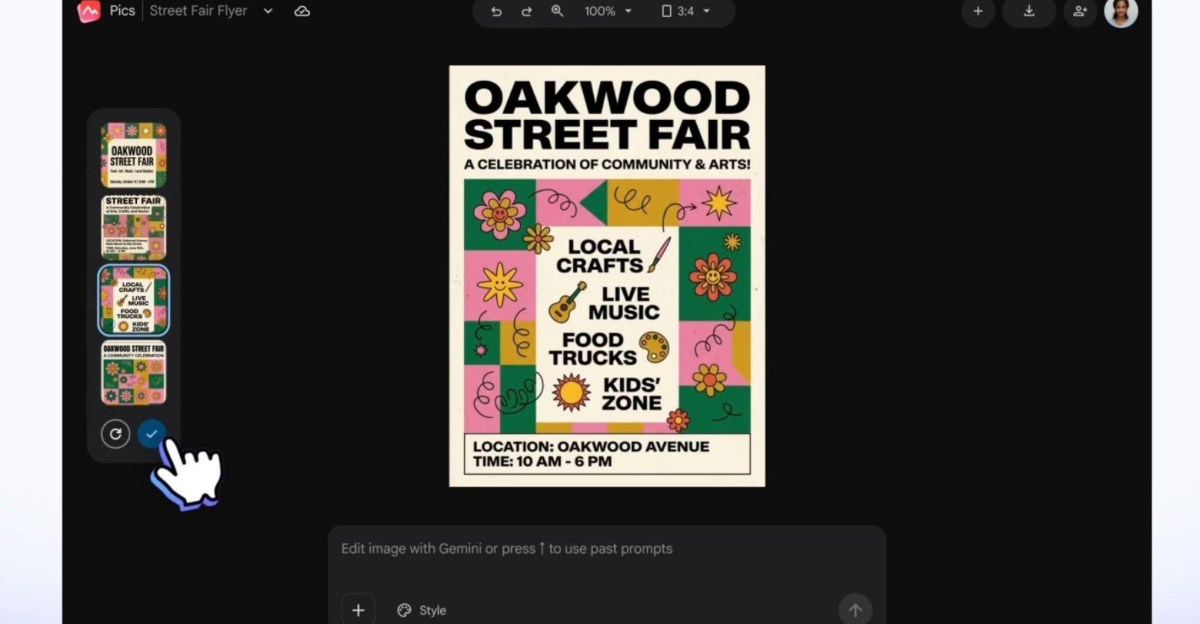
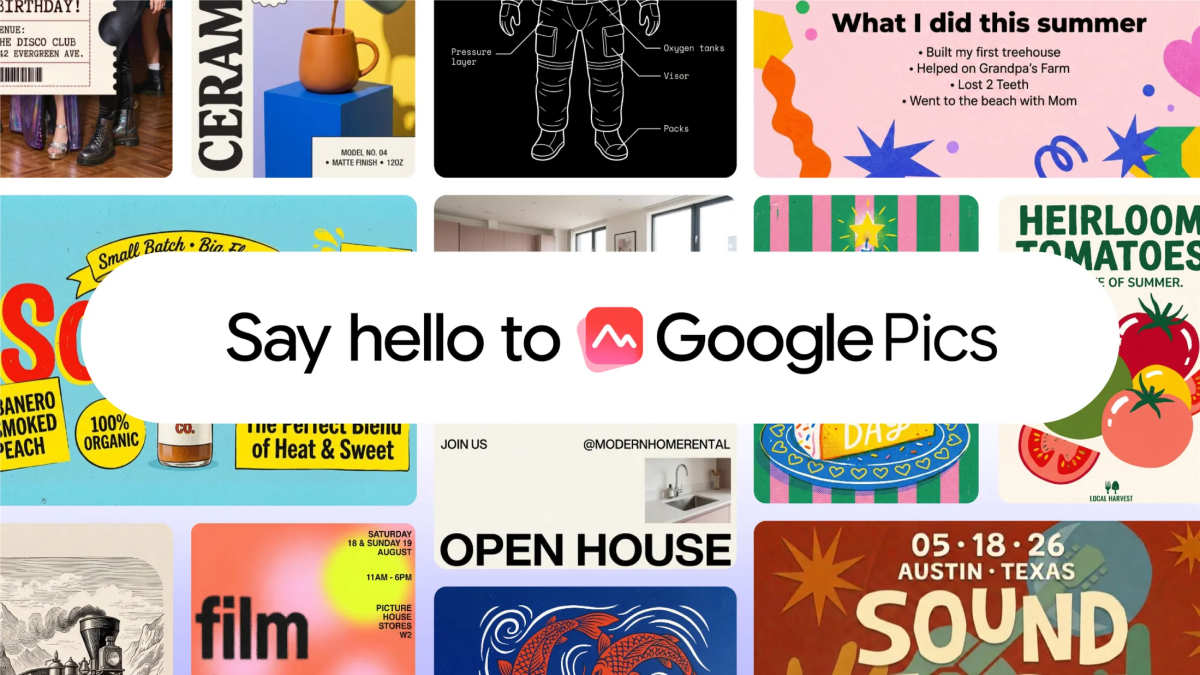
Google has launched Google Pics, a new suite of creative design tools for Workspace users, built around Gemini…
OpenAI said today that it is integrating ChatGPT Health with Epic's electronic health record (EHR) system, whi…
Google is launching Google Pics, an AI-powered image creation and editing tool that will be part of Google Wor…
Google DeepMind launched agentic video understanding across Gemini 3.7 Flash, 3.6 Flash, and 3.5 Flash-Lite