What happened
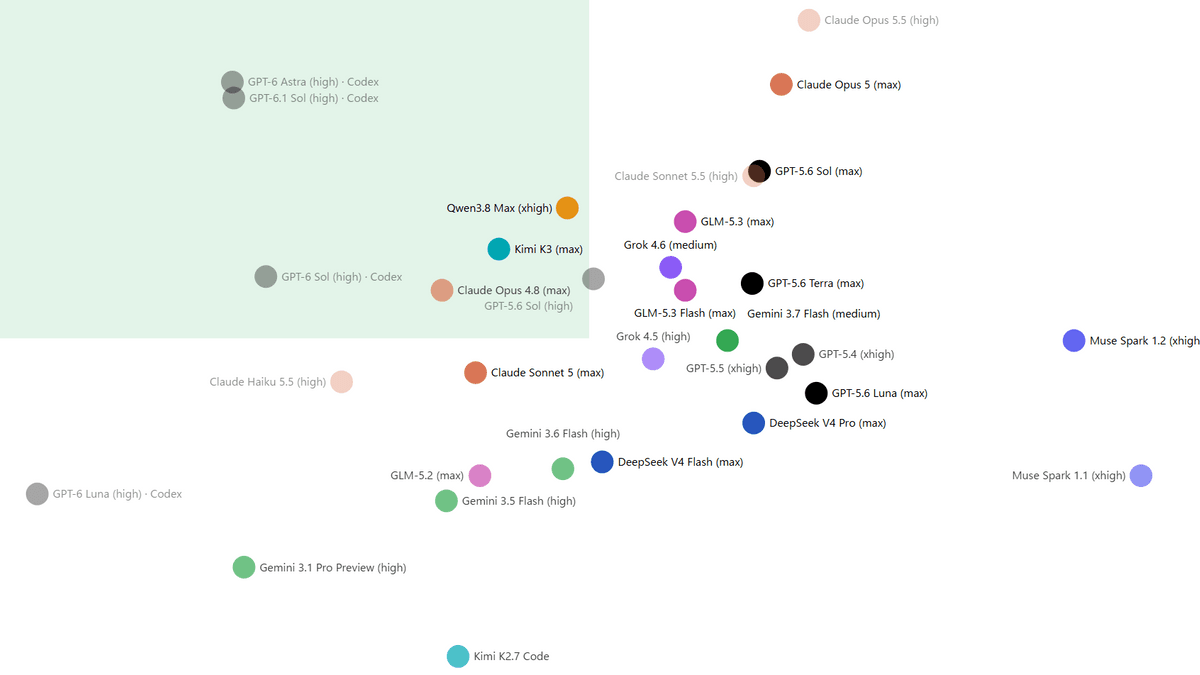
Parsimony analyzes AI fixes from existing benchmarks and counts added versus deleted "coding units" — syntax elements like branches and variable names. Claude Opus 5.5(high) added about 1.1× the code of other models; GPT-6.1 Sol(high)・Codex, about 0.7×.
Why it matters
High problem-solving scores do not guarantee lean code, so teams judging AI coding tools may need to weigh maintainability alongside accuracy, though the developer notes that less code does not always mean higher quality.
WHO IT HITSSoftware engineers and engineering managers choosing AI coding assistants are the main audience, since the benchmark compares how much code each model adds when fixing the same problem. Maintainers of long-lived codebases may find the added-code measure more relevant than raw solve rates.
Summaries like this, in your inbox every morning.
The benchmark arrives at a moment when AI coding tools are commonly judged by whether they solve a problem and what that costs. Parsimony adds a third axis: how much code the model writes to get there. Its unit of measurement is designed to resist gaming — counting conditional branches, function calls, variable names and numbers rather than lines, and excluding line breaks, whitespace and comments so that compressing code onto fewer lines does not flatter the result. Test code, documentation and automatically generated files are left out of the measurement.
The published comparison places the Intelligence Index, calculated by the AI evaluation site Artificial Analysis, on the vertical axis and added code relative to other models on the horizontal axis. The spread suggests that a higher index does not by itself predict leaner fixes. The developer cautions that this cuts both ways: shorter code can be harder to follow, and volume alone says nothing definitive about readability or design.
Because the source code and measurement data are public on GitHub, the results can be reproduced, and the developer is soliciting fix data for additional models and feedback on the evaluation method — a sign the comparison set may expand beyond the models shown so far.
Pick your industry and the AI tools you use, and get news related to your work every day.
Free · 30 seconds with Google · unsubscribe anytimeWhat is AIToday? →
Ask AI anything about this article. The AI reads this article, earlier AIToday articles, and Wikipedia, and cites its sources. Q&As are published on this page for other readers too.
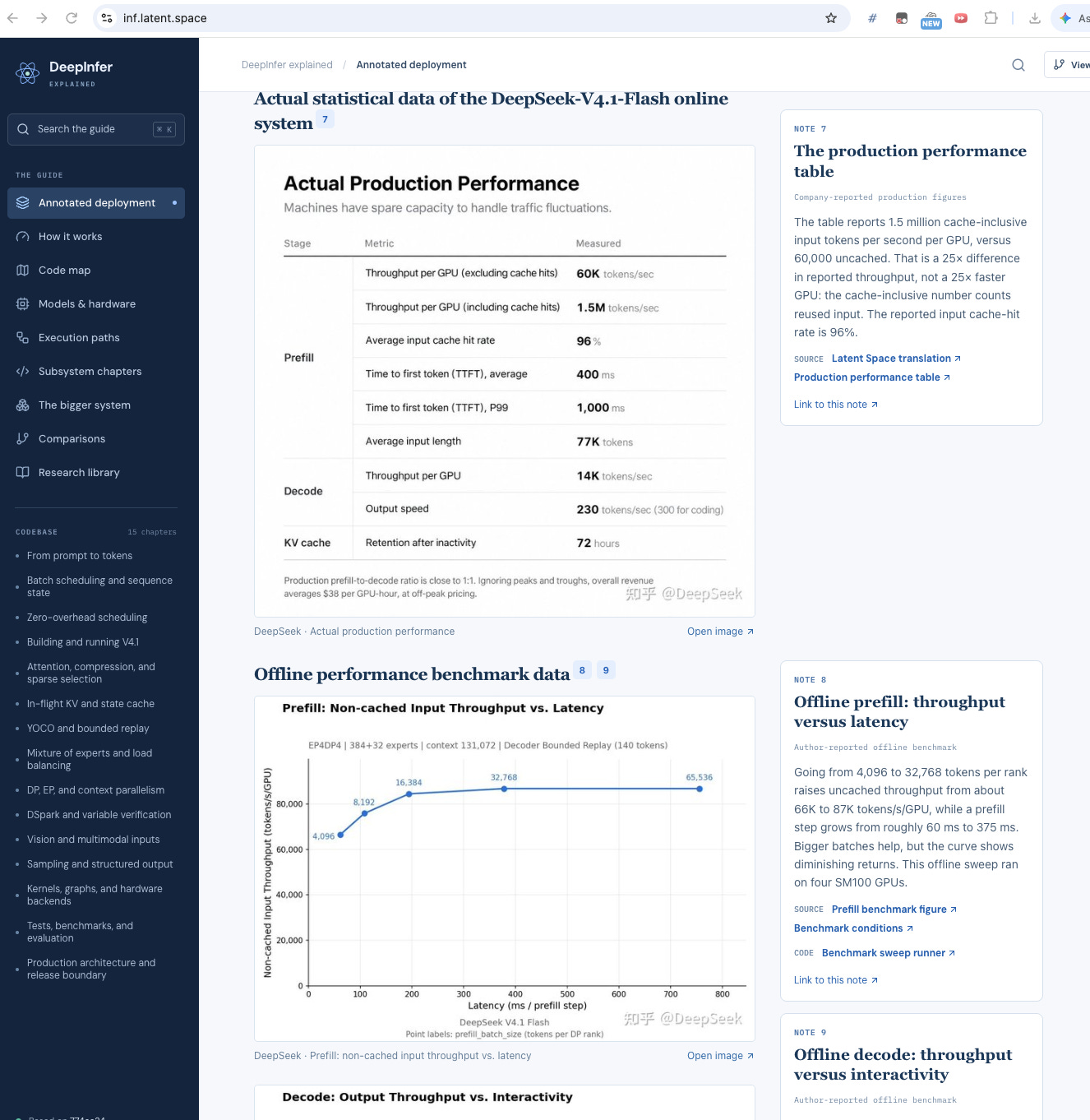
DeepSeek released DeepInfer, the inference engine behind V4.1-Flash, with production figures of 155 trillion t…
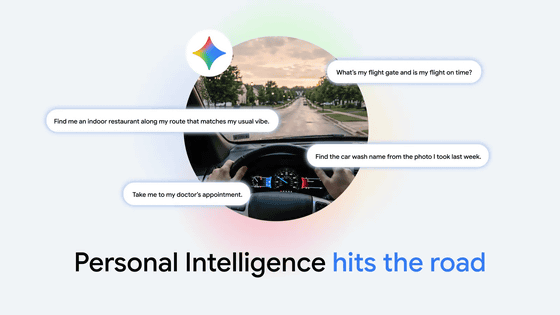
Google's "Personal Intelligence with Gemini" began rolling out on Android Auto on the 20th, and will extend to…
Google released TorchTPU, a version of the PyTorch framework that lets developers run existing AI apps and mod…
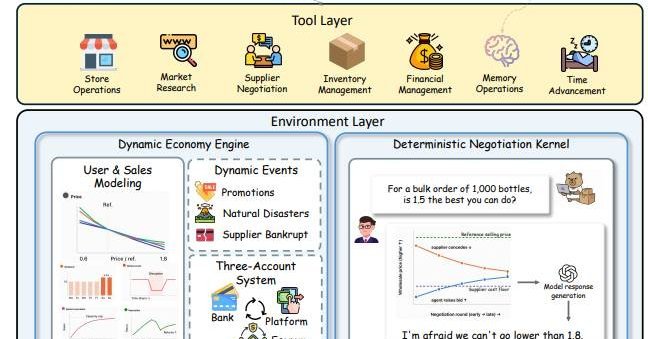
In a benchmark called E-Commerce Bench, 18 AI models ran up to four simulated shops for 365 days, using 18 too…
ITmedia's AI Plus released a 14-page booklet on using Gemini Notebook's (formerly NotebookLM) Studio feature…

IBM Research's ALTK-Evolve turns each customer-service agent trial into short action rules and injects them in…


