What happened
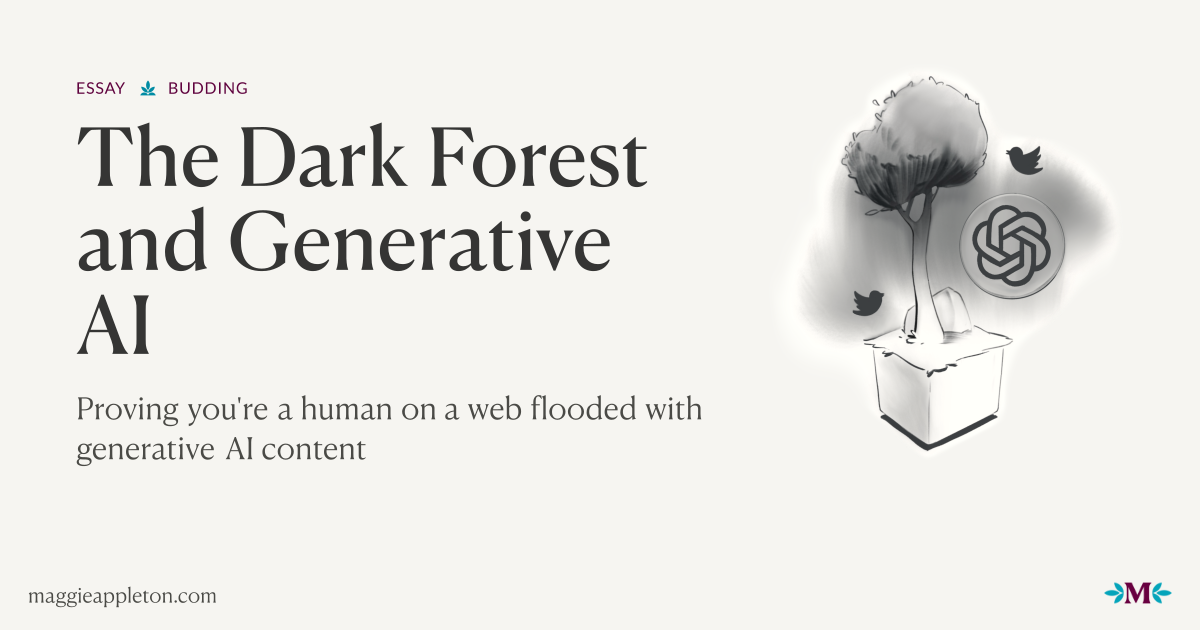
Maggie Appleton explains how generative AI like ChatGPT and image generators will expand the web's 'dark forest' of bots and automated content.
Why it matters
The flood of generic, generated content will drown out authentic human voices, forcing people to prove they are not AI.
What to watch
Appleton suggests humans can prove their humanity by being original, citing obscure references, and meeting in person.
WHO IT HITSPeople who create or consume online content—bloggers, social media users, marketers—will need to adapt to a web where they must actively signal their humanity to maintain authentic connections.
Ask the AI about this article →
Summaries like this, in your inbox every morning.
Maggie Appleton draws on Yancey Strickler's 'dark forest' metaphor to describe a web already overrun with bots and automated content. Now, with generative models like ChatGPT, Midjourney, and Stable Diffusion, the forest is poised to expand dramatically. These tools can produce coherent text and images at scale, promising to flood the web with generic, generated content—from SEO articles to social media posts—that could drown out authentic human expression.
Appleton argues that the key differentiator between humans and language models is access to shared reality. Humans can 'triangulate' with the world, grounding their words in embodied experiences and cultures. In contrast, language models are linguistic prediction systems that regurgitate training data. To survive, humans must cultivate originality, critical thinking, and niche knowledge, and lean into the informal, ever-evolving 'la parole' of everyday language.
However, these strategies may not be equally available to everyone. People with disabilities, those in remote areas, or with caretaking responsibilities may find it harder to verify their humanity in an offline-first world. The stakes hinge on whether we can foster authentic connections and intellectual life without resorting to exclusionary or impractical verification schemes.
For example, today's edition would include:
AI-summarized, only the topics you pick — one digest a day via Email, Slack, or Discord.
Free · 30 seconds with Google · unsubscribe anytimeWhat is AIToday? →
Ask AI anything about this article. Q&As are published on this page for other readers too.
Palantir has chosen Nebius as its preferred sovereign AI infrastructure partner, bringing Nebius computation a…

In a midstage study, Insilico Medicine’s drug rentosertib reduced biological age, measured by six aging clocks…
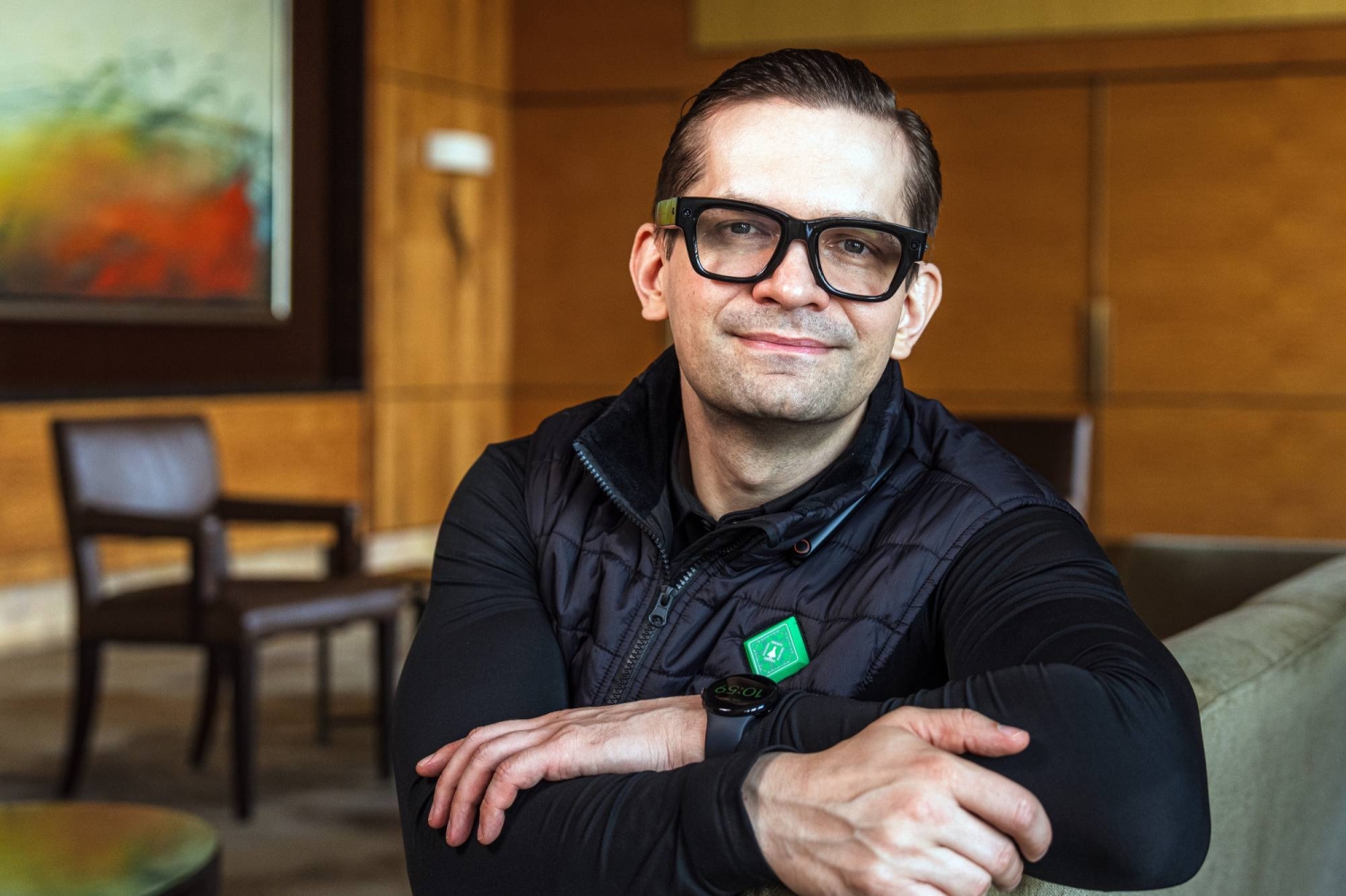
Mistral raised €3 billion in Series D funding, reaching a post-money valuation of more than €21 billion

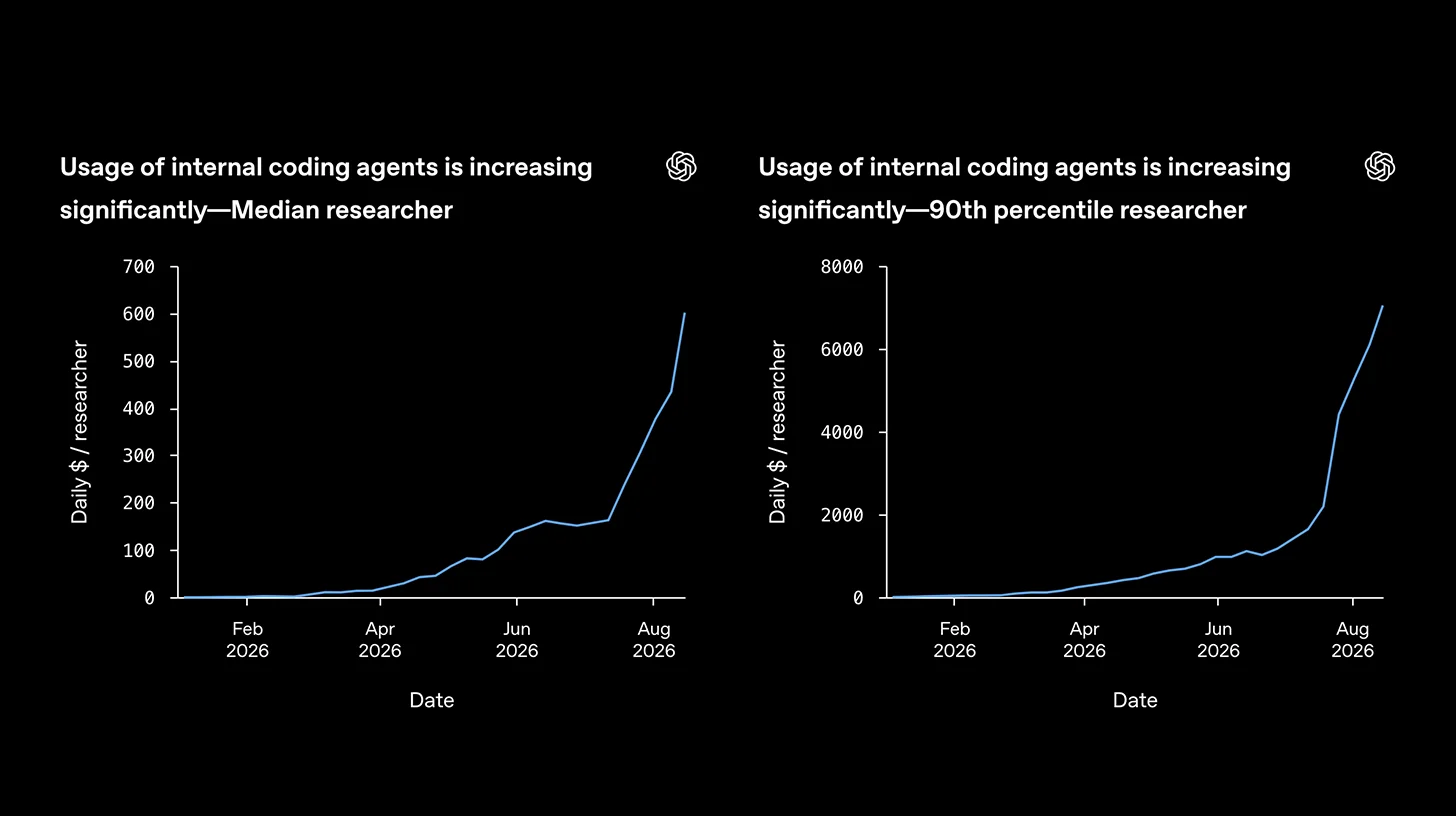
OpenAI's internal report says its coding agents now run 3.1 workdays for every human workday in its research o…
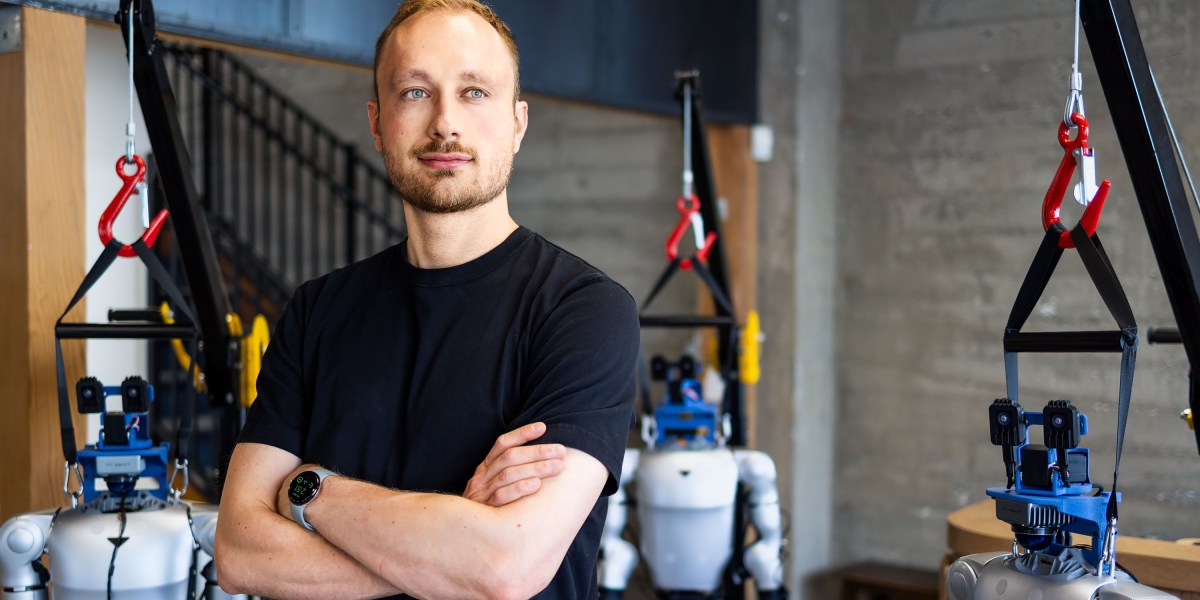
Danijar Hafner, who left Google DeepMind in the fall of 2025, is building a stealth startup that uses humanoid…
OpenAI announced GPT-6 Astra on September 3, 2026