
What happened
OpenAI announced GPT-6 Astra on September 3, 2026. The model scored 99.9% on ARC-AGI-3 and 100% on ExploitBench, and is 47% faster on OSWorld 2.0 than GPT-5.6 Sol.
Why it matters
GPT-6 Astra shows major gains over GPT-5.6 Sol: ExploitBench rose from 78.5% to 100%, and OSWorld 2.0 task time dropped 47%.
What to watch
GPT-6 Astra is rolling out to ChatGPT Plus, Pro, Business, and Enterprise plans, plus API and Azure. The test is whether its safety limits hold as broader access begins.
WHO IT HITSEnterprise IT teams and security professionals who manage AI deployments will face both new capabilities and heightened safety considerations. Software developers using Codex will see faster task completion but must adapt to the model's stricter alignment limits.
Summaries like this, every morning.
OpenAI's announcement of GPT-6 Astra represents a significant leap in AI model capabilities, particularly in the domains of coding assistance and autonomous PC operation. The model demonstrates substantial improvements over its predecessor, GPT-5.6 Sol, across multiple benchmarks including Terminal-Bench 4.0 where it scored 57.9% versus 37.3%, and DeepSWE v1.1 at 74.1% compared to 72.7%. The coding environment Codex has been updated with a context window management feature that preserves detailed notes across sessions, addressing a challenge where context would degrade during long debugging or refactoring sessions. This suggests OpenAI is focusing on practical, long-horizon software engineering tasks rather than just improving raw benchmark performance.
The release also highlights increased attention on balancing capability with safety. The model reached the highest risk level 'Critical' on OpenAI's Preparedness Framework, yet demonstrated the ability to identify zero-day vulnerabilities autonomously and execute arbitrary code on unpatched systems. OpenAI has implemented alignment guardrails that limit out-of-bounds behavior, reducing the frequency of capability hallucinations to one-third of previous levels. This duality—pushing frontier capabilities while implementing stricter safety measures—reflects the tension inherent in advancing AI that can both defend and attack systems.
Looking ahead, the rollout strategy appears measured, with initial access to select organizations and a phased expansion across consumer and enterprise tiers. The introduction of 'OpenAI Daybreak' within weeks is expected to further develop defensive cybersecurity tools, suggesting OpenAI views the security domain as both a significant opportunity and a potential risk. The long-term impact hinges on whether the safety guardrails, which currently prevent dangerous autonomous actions, can adapt as the model gains more user access and encounters more complex real-world scenarios.
Pick your industry and the AI tools you use, and get news related to your work every day.
Free · 30 seconds with Google · unsubscribe anytimeWhat is AIToday? →
Ask AI anything about this article. The AI reads this article, earlier AIToday articles, and Wikipedia, and cites its sources. Q&As are published on this page for other readers too.
Anthropic told investors on October 14 that its Q3 2026 revenue reached $16.8B and that it became profitable o…
Forced to name one candidate across nearly 500 US midterm races via developer APIs, xAI's Grok 4.7 chose the R…

Videos posted on X on 20 October 2026 purported to show Zyon Lewis accusing James Talarico of abuse; Lewis tol…

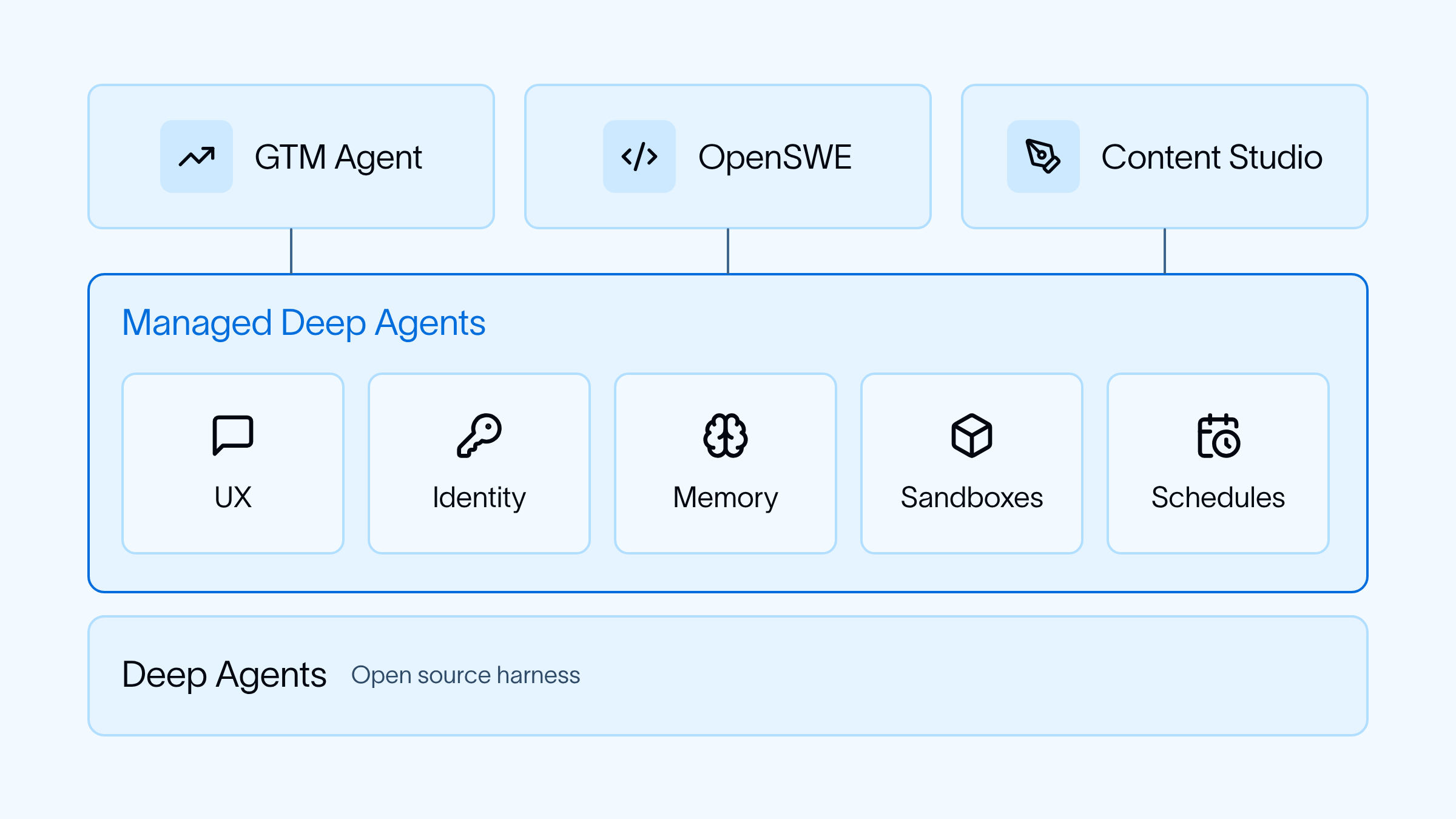
LangChain says its GTM Agent, OpenSWE and Content Studio all follow one recipe: they live in Slack, know who i…
Google Cloud revenue grew 82% year over year to $24.8 billion last quarter, up from $13.6 billion a year earli…
As Anthropic, Meta, Google, Amazon and Microsoft meet faith leaders — Anthropic cites "more than 15 religious…