What happened
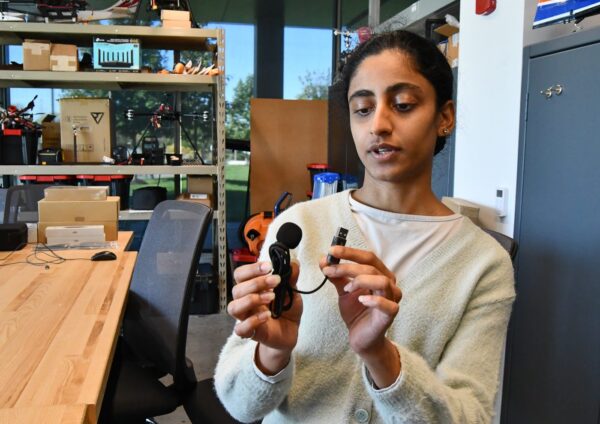
Prissha Chawla and partners at the University of Cincinnati recorded the sounds of drones with chipped or cracked propellers and failing motors, turning them into data a ground station can use to flag a drone as unairworthy before takeoff.
Why it matters
The pre-flight check targets faults like grit in motor bearings that can seize a motor, catching them through sound rather than visual inspection alone — a step toward autonomous drone-in-a-box systems that run their own preflight checks, the team says.
What to watch
The students will present the project at the Modelling, Estimation and Control Conference on October 25 in Phoenix.
WHO IT HITSDrone operators and public-safety teams that rely on drones, plus builders of autonomous drone-in-a-box docking systems, could eventually get a preflight check that flags mechanical faults before launch, though the work is still at the ground-test stage.
Summaries like this, in your inbox every morning.
The project began in 2024 out of NASA's interest in detecting motor problems before a drone takes off, according to Chawla. That origin explains why the current work stays on the ground: the team is focusing on pre-flight tests NASA already runs, rather than on in-flight monitoring. The recordings of chipped or cracked propellers and failing motors are converted into data for ground station computers, so the check is meant to catch mechanical faults through changes in sound rather than through visual inspection alone.
The faults the team describes are not only visible damage. Chawla notes that grit and other debris can get into motor bearings and cause a motor to seize, which makes an acoustic check a complement to looking the aircraft over. Beyond the preflight setting, the students envision an autonomous drone that relies on sound alone to detect damage to its propellers and other mechanical systems during flight, returning to base before a catastrophic failure.
Busse ties the idea to fully autonomous drone-in-a-box systems, where a weatherproof docking station handles launch, landing, charging, data upload and mission scheduling without an on-site operator. In that setup, sensors in the box could provide preflight checks, he said. The project is set to be presented at the Modelling, Estimation and Control Conference on October 25 in Phoenix.
Pick your industry and the AI tools you use, and get news related to your work every day.
Free · 30 seconds with Google · unsubscribe anytimeWhat is AIToday? →
Ask AI anything about this article. The AI reads this article, earlier AIToday articles, and Wikipedia, and cites its sources. Q&As are published on this page for other readers too.
Dream Labs raised $90 million in seed funding led by B Capital and Kindred Ventures and launched Dream API, a…
Energize Lab told The Verge it closed all external access, disabled remote response modification, and will hir…
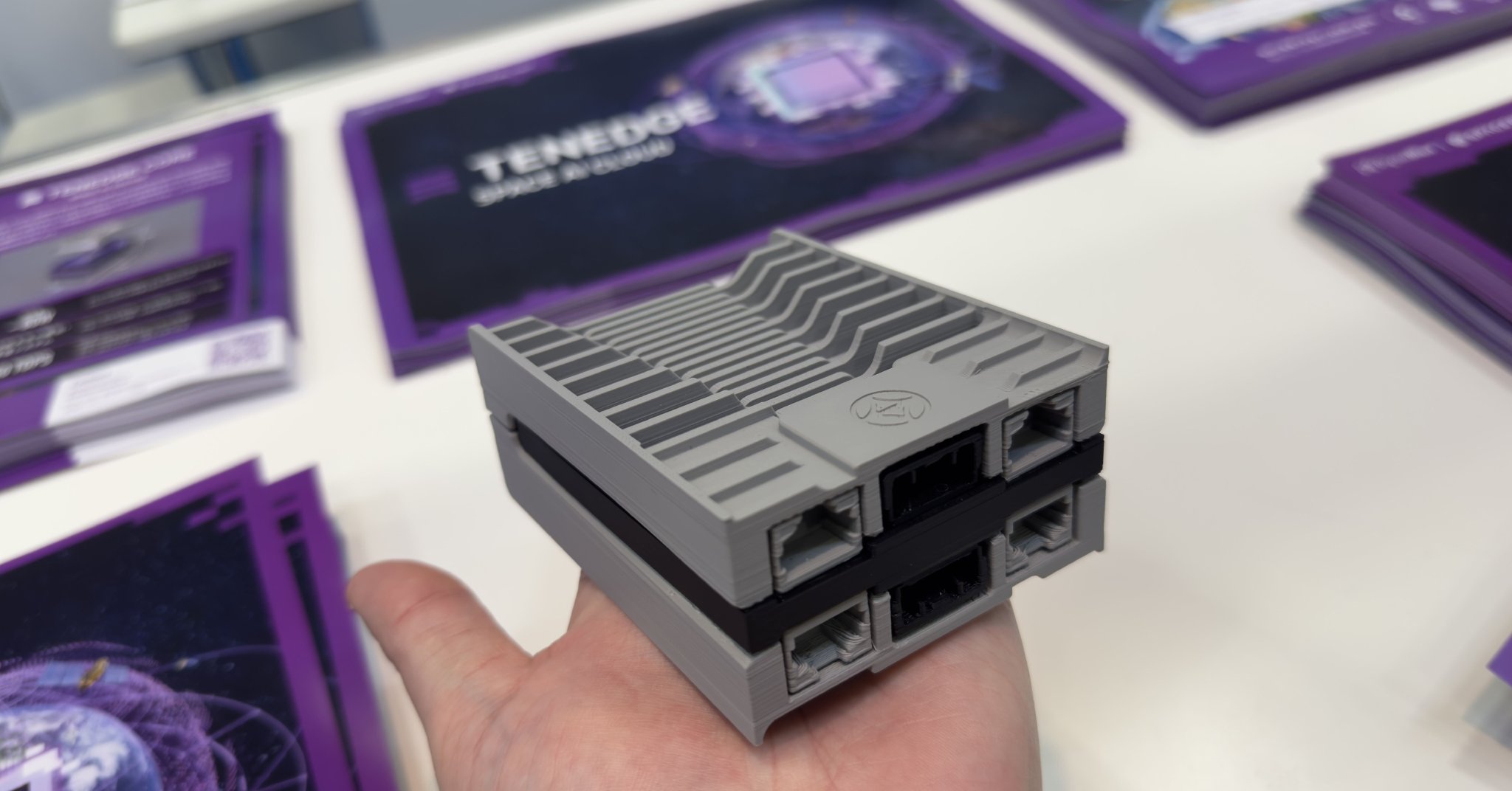
SpaceBlast, a Tokyo-based space startup, showed TENEDGE CORE — a palm-sized computer rated at about 60TOPS — a…
Robotiq launched the 2FC, an adaptive gripper with tactile sensing, wrist-mounted compute (the AI Hub) and Con…
At GTC Berlin, NVIDIA expanded its Isaac robotics platform with humanoid reference platforms, datasets and a n…
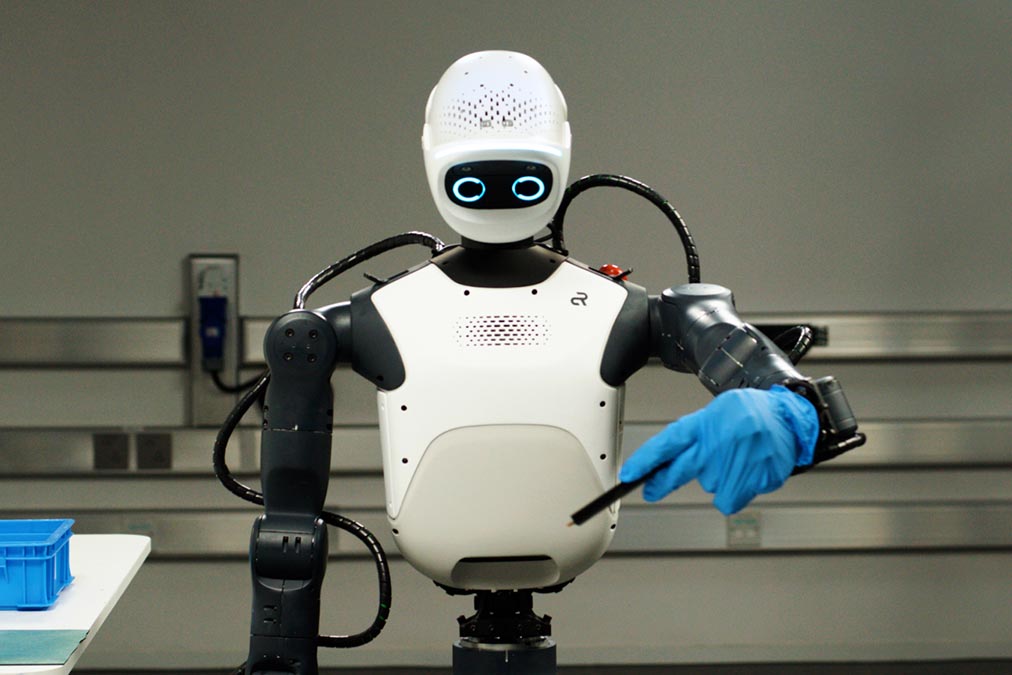
Bear Robotics, LG Electronics' robotics subsidiary, is adding Chinese manufacturers to its South Korean outsou…