
What happened
Amgen participated in Arboretum LifeSciences' US$30 million Series A round, which focuses on applying AI-driven genetic testing and molecular data tools to precision medicine.
Why it matters
The collaboration gives Amgen access to next-generation molecular information that may inform genomically targeted clinical trial design, supporting personalized and targeted therapies.
What to watch
The cleanest proof point is whether Amgen starts disclosing genomically stratified recruitment and outcome data for key programs like MariTide, Repatha or its bispecific oncology drugs that explicitly draw on Arboretum-style molecular information.
WHO IT HITSThis affects biopharma investors and drug developers focused on precision medicine, as well as oncology and rare disease researchers who rely on genomic data for trial design.
Summaries like this, in your inbox every morning.
Amgen, a large US biopharmaceutical group, has leaned further into AI-driven precision medicine by backing Arboretum LifeSciences. The US$30 million Series A round is focused on applying AI-driven genetic testing and molecular data tools to support more targeted healthcare decisions. For Amgen, this move plugs directly into its core drug research engine, as the group focuses on discovering and delivering human therapeutics worldwide.
The funding round reinforces the part of Amgen's narrative that depends on personalized and targeted therapies across cardiometabolic disease, oncology and rare disorders. It lines up with the existing catalyst that personalized treatments and genomically guided trials can help sustain a diversified earnings profile as older products face loss of exclusivity and pricing pressure. It also speaks to the bear concern that Amgen must keep refreshing its pipeline for the current bullish narrative on its broad portfolio to hold together.
Whether this funding translates into tangible pipeline progress hinges on Amgen's ability to integrate Arboretum's molecular insights into its trial designs and patient selection. For investors, the key test will be whether the company discloses genomically stratified data for programs like MariTide, Repatha, or its bispecific oncology drugs, which would signal that the collaboration is yielding concrete results.
Pick your industry and the AI tools you use, and get news related to your work every day.
Free · 30 seconds with Google · unsubscribe anytimeWhat is AIToday? →
Ask AI anything about this article. The AI reads this article, earlier AIToday articles, and Wikipedia, and cites its sources. Q&As are published on this page for other readers too.
SOMPO Holdings set AI risk governance in March 2025, requiring risk assessment and model output testing for gr…

Canon began offering a new support service for home inkjet printers that uses a monitoring function and genera…

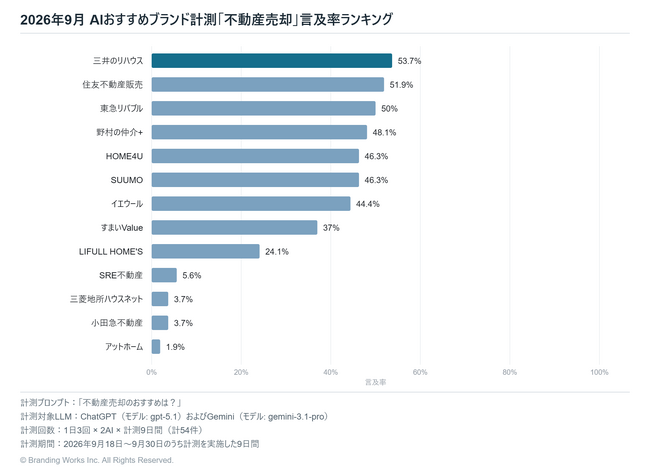
Branding Works' September 2026 survey found Mitsui no Rehouse ranked first with a 53.7% mention rate, followed…
Exa Enterprise AI began offering "Exabase AI for JA" today, with more than 30 AI agents built for the work of…

SoftBank ran an "AI information training" session for elementary school students, teaching them not to believe…

An online seminar, 【オンラインセミナー#31】, will feature Honda developer 竹中透 discussing the traces left by the P2 and A…