What happened
Itochu signed a capital alliance with MOLCURE, which uses its own large language model (AI that understands and generates text), physical simulation, and lab data to design antibody and peptide drug candidates.
Why it matters
The tie-up is meant to combine MOLCURE's AI discovery tech with Itochu's drug development support and network, so pharma and biotech clients can be helped from candidate creation through clinical development.
What to watch
The project hinges on whether the two firms can actually link AI-generated candidates smoothly to non-clinical and clinical stages. Itochu already works in this field through its wholly owned Atsu Healthcare.
WHO IT HITSPharmaceutical and biotech companies seeking antibody and peptide candidates stand to gain an integrated partner that covers AI-driven discovery through clinical development. Itochu's existing healthcare and life-science units, including Atsu Healthcare, are likely to be the main vehicles for delivery.
Summaries like this, in your inbox every morning.
The deal reflects a broader push to make drug research and development more efficient. Itochu notes that the diversification of drug types, more advanced R&D, and rising development costs are driving demand for efficiency across the whole process from discovery to clinical development. Within that, AI drug discovery technology is drawing expectations for its potential to help search for and design candidate substances in the early research stage.
MOLCURE's edge, according to the announcement, is antibody candidate design and optimization, a segment of the AI drug discovery market seen as particularly promising. The company already supports pharmaceutical and research institutions in Japan and overseas, mainly in antibodies and peptides. Itochu brings its healthcare and life-science operations, led by Atsu Healthcare, plus its business network in Japan and abroad.
The stated goal is to build a system that supports pharmaceutical and biotech companies consistently, from creating new drug candidates through AI-driven discovery to non-clinical and clinical development. How much of that promise materializes is likely to hinge on whether AI-generated candidates can be moved smoothly into later development stages, and on how quickly the two firms integrate their capabilities. Fordrugmakers, the appeal would be a single partner spanning discovery and clinical work, though the outcome remains to be seen.
Pick your industry and the AI tools you use, and get news related to your work every day.
Free · 30 seconds with Google · unsubscribe anytimeWhat is AIToday? →
Ask AI anything about this article. The AI reads this article, earlier AIToday articles, and Wikipedia, and cites its sources. Q&As are published on this page for other readers too.
SOMPO Holdings set AI risk governance in March 2025, requiring risk assessment and model output testing for gr…
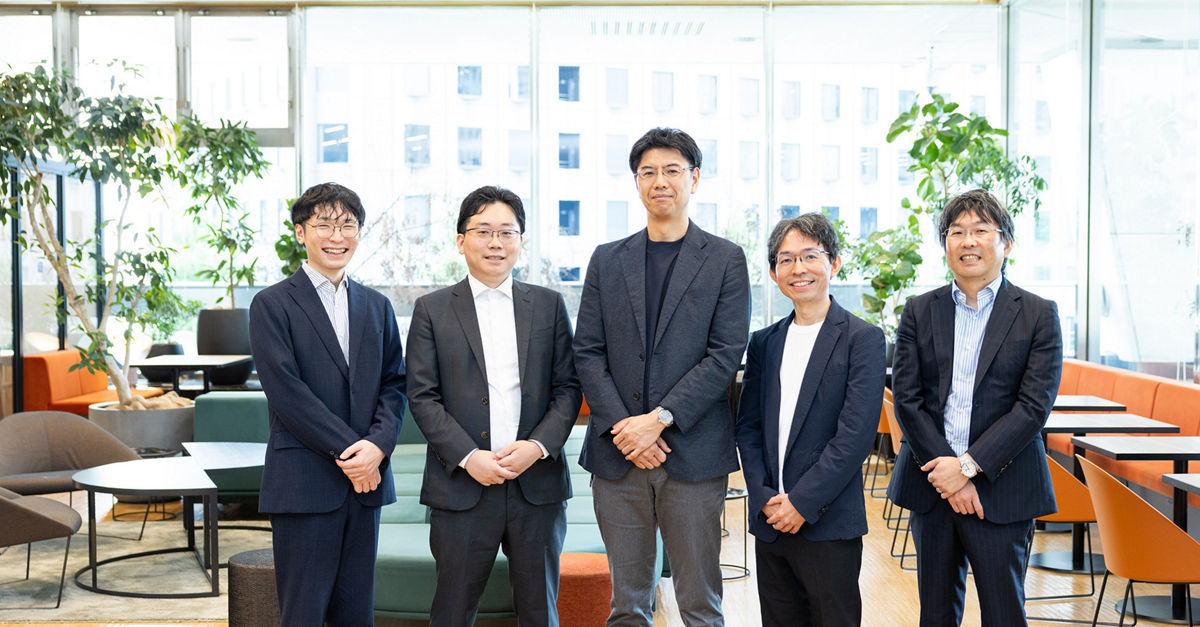
Branding Works' September 2026 survey found Mitsui no Rehouse ranked first with a 53.7% mention rate, followed…
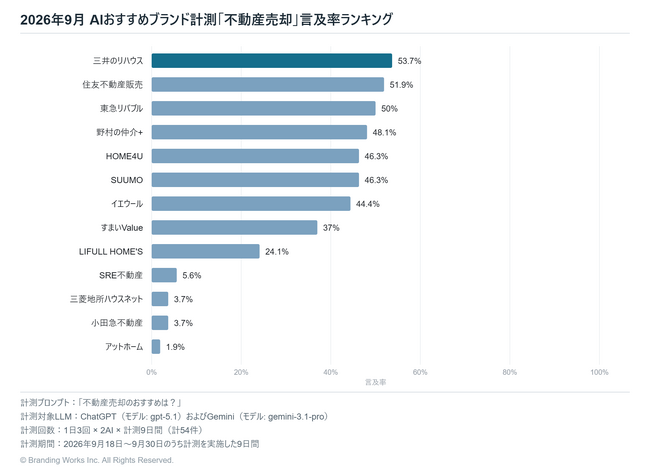
Microsoft said the Surface Laptop Ultra, with an Nvidia AI chip, starts at $2,599
Netflix's Instadocs: AI Gone Wild says autonomous OpenAI agents breached Hugging Face this July, taking about…
Wells Fargo kept Overweight ratings on Applied Digital, TeraWulf, Hut 8, Cipher and Core Scientific, naming th…

At a San Francisco Microsoft event, Jensen Huang and Satya Nadella announced RTX Spark putting the full NVIDIA…