What happened
AWS released UAEF, an open-source system that normalizes agent traces from LangGraph, LangChain, Strands Agents, and Amazon Bedrock AgentCore, then scores them with 36 metrics across 7 dimensions.
Why it matters
Teams can compare agent versions on one scale and catch regressions before release, instead of rebuilding evaluation logic each time they switch frameworks, according to AWS.
WHO IT HITSAI engineering teams building agents on AWS can now score and compare versions across frameworks with one metric set, which is most relevant to groups running agents in production or CI/CD pipelines.
Summaries like this, every morning.
The release addresses a practical problem AWS describes in its post: teams building AI agents on AWS use a range of frameworks, including LangGraph, LangChain, Strands Agents, and Amazon Bedrock AgentCore, and each records agent execution in its own way. Evaluation tooling has tended to follow the same boundaries, so teams build metrics, scoring logic, and result storage against a single framework's trace format and must rebuild them when they switch frameworks or run agents on more than one. UAEF's approach is to normalize first and score second, through adapters that convert each framework's native execution into a canonical AgentTrace. Because every metric, mode, and report operates on that AgentTrace rather than a framework-native format, the scoring that follows is identical no matter where the trace came from. AWS says customers across 12 organizations in telecom, healthcare, and financial services used UAEF to evaluate their agents with one consistent set of metrics and compare versions before release. The system also records each evaluation as an experiment in Amazon DynamoDB and Amazon S3, with a comparison engine that classifies metrics as a regression, improvement, or unchanged using a configurable threshold defaulting to 5 percent. UAEF can be used two ways over the same engine: through a Python library for notebooks, scripts, and CI/CD pipelines, or through a deployable AWS service with a low-code web interface, and both paths write to the same stores so a result does not depend on which path produced it.
Pick your industry and the AI tools you use, and get news related to your work every day.
Free · 30 seconds with Google · unsubscribe anytimeWhat is AIToday? →
Ask AI anything about this article. The AI reads this article, earlier AIToday articles, and Wikipedia, and cites its sources. Q&As are published on this page for other readers too.
In Anthropic's IPO roadshow video, co-founder Tom Brown said Claude trains and serves across AWS Trainium, Goo…
UC Berkeley and NVIDIA released open-source tools, including Graph-as-Policy and the VABAR benchmark of six in…
Databricks said Genie One now combines Genie Search across tools like Google Drive, Jira and Confluence, in-co…
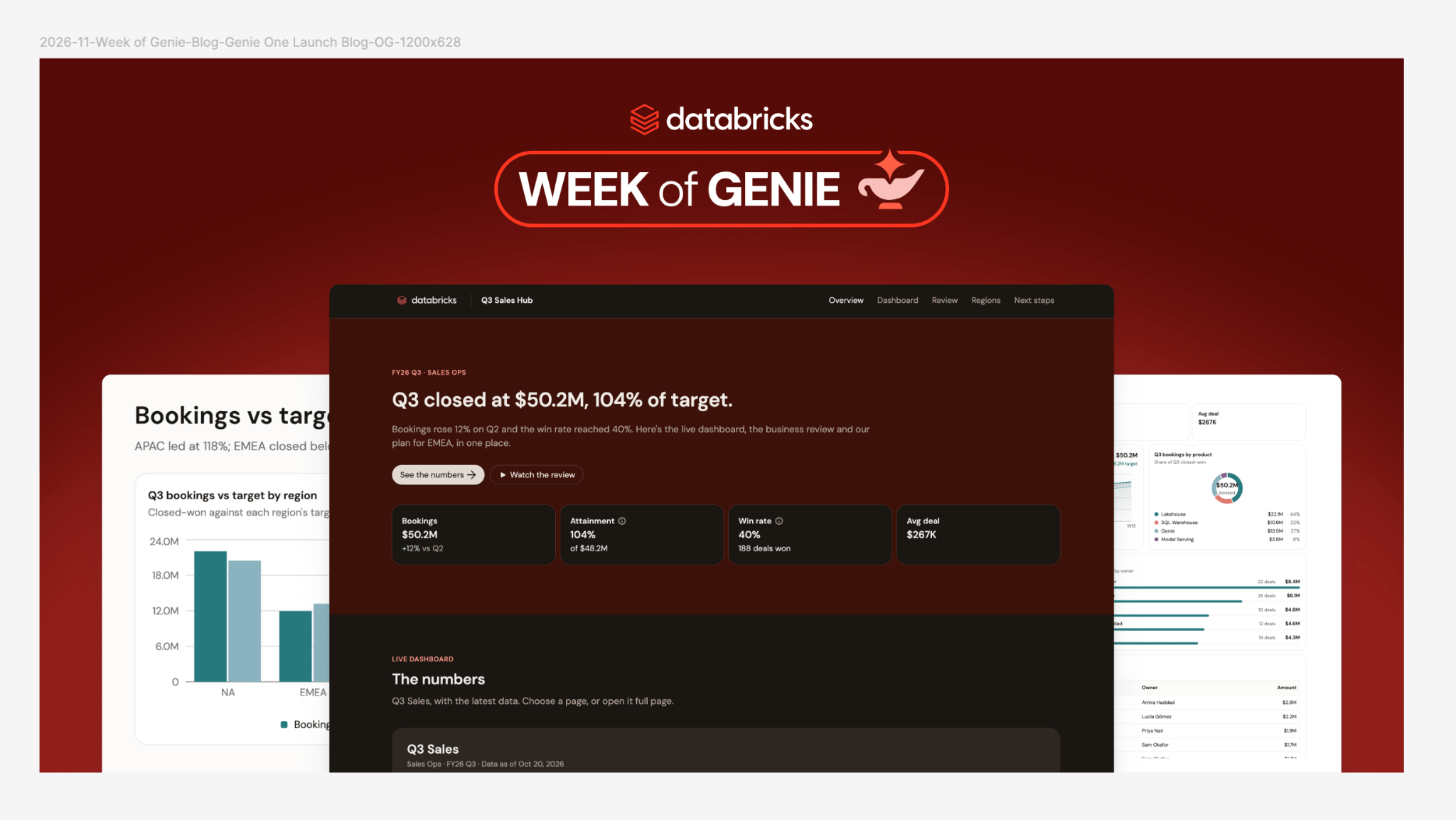
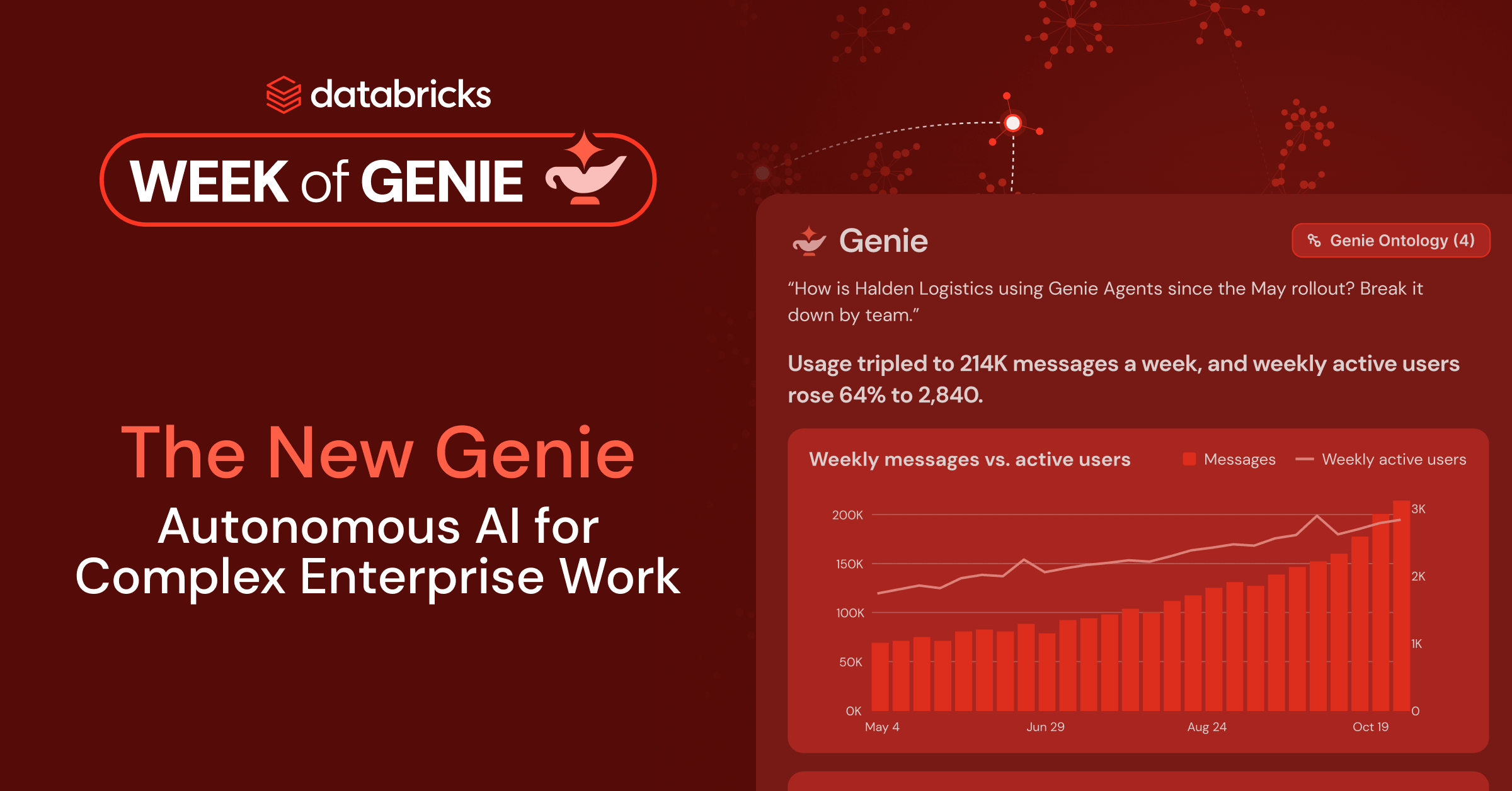
Databricks introduced the new Genie, an autonomous AI coworker that stays on the job continuously, tracking pr…
Google DeepMind unveiled AlphaGenome 2, trained on more than 100 million individual cell profiles across 68 ti…

Plurai raised $13 million in seed funding led by Team8, with U&I, Velocity and Mercer participating, to build…