What happened
Kazakhstan's AI minister Zhaslan Madiyev joined a US AI supply-chain group in Washington in June, then three weeks later signed on as a founding member of China's World AI Cooperation Organization, alongside 28 others including Pakistan and Russia.
Why it matters
Countries like Kazakhstan are hedging to capture both US tech partnerships and China's cheaper open-source systems, a balancing act a former Kazakh diplomat called a "very precarious spot" as Washington warns trusted partners cannot advance a competing vision.
WHO IT HITSGovernment AI and trade ministries in middle powers like Kazakhstan, Indonesia and Singapore face pressure to pick a side, while their negotiators try to keep access to both US chips and Chinese open models.
Summaries like this, every morning.
The competition is not only over models and chips but over which countries set the rules. Washington frames Pax Silica as a trusted-partner network, with the State Department warning that members cannot substantively back a rival vision. Beijing, by contrast, pitches openness, and its funding reaches at least 77 low- and middle-income countries, according to AidData. That courtship matters because, as Brookings' Kyle Chan notes, Washington already has a strong alliance network while Beijing must win over third countries — giving "swing countries" leverage.
Kazakhstan illustrates the stakes. It holds critical minerals and cheap electricity for data centers, and its government signed an investment deal worth up to $10 billion involving Nvidia for a "data center valley". Yet Chinese FDI hit a record $2.8 billion in 2025, and President Xi Jinping met Kazakh President Kassym-Jomart Tokayev in July to expand Belt and Road cooperation. Harvard scholar Dana Masalimova describes the result as a "very precarious spot" — beneficial now, but exposed if the blocs harden.
The squeeze extends beyond Central Asia. Indonesia, which joined China's organization, says it wants to be part of both, while Singapore weighs joining China's group even as Anthropic opens an Asia office there. Saudi Arabia's Humain built a platform on a Chinese open model while also holding an Nvidia deal. Meanwhile, France's Mistral and Japan's selective use of Chinese models for lower-risk applications suggest even capable economies are avoiding a clean split — a sign the binary choice Washington seeks may be difficult to enforce.
Pick your industry and the AI tools you use, and get news related to your work every day.
Free · 30 seconds with Google · unsubscribe anytimeWhat is AIToday? →
Ask AI anything about this article. The AI reads this article, earlier AIToday articles, and Wikipedia, and cites its sources. Q&As are published on this page for other readers too.
Anthropic told investors on October 14 that its Q3 2026 revenue reached $16.8B and that it became profitable o…
Lawmakers from both parties and White House advisers told Axios that AI CEOs are a 'monumental political liabi…

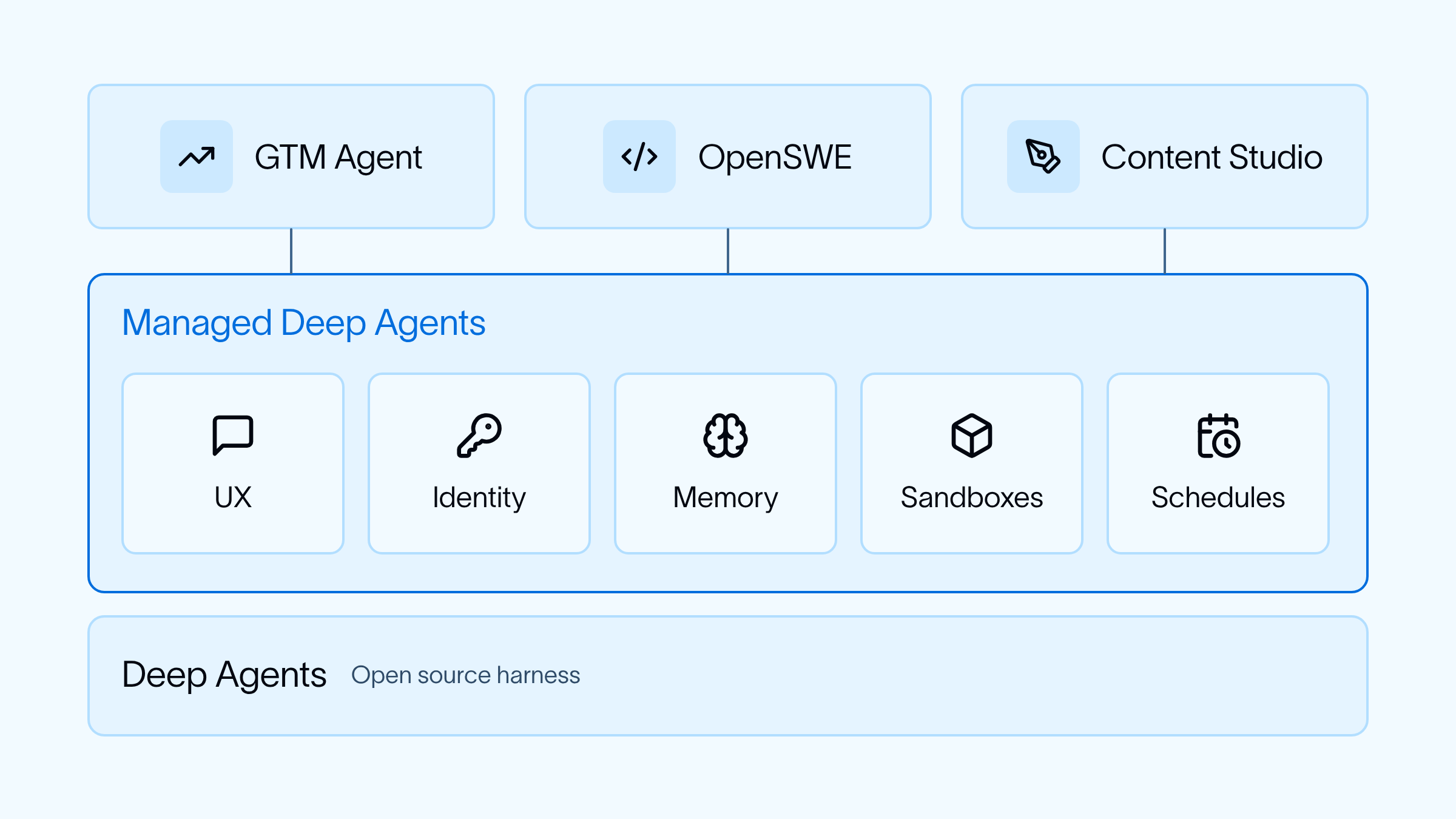
LangChain says its GTM Agent, OpenSWE and Content Studio all follow one recipe: they live in Slack, know who i…
Apollo chief economist Torsten Slok examined the S&P 493 — the S&P 500 minus Alphabet, Amazon, Apple, Meta, Mi…

Google Cloud revenue grew 82% year over year to $24.8 billion last quarter, up from $13.6 billion a year earli…

Kazakhstan joined both camps — its AI minister Zhaslan Madiyev visited Washington in June, then Shanghai three…