What happened
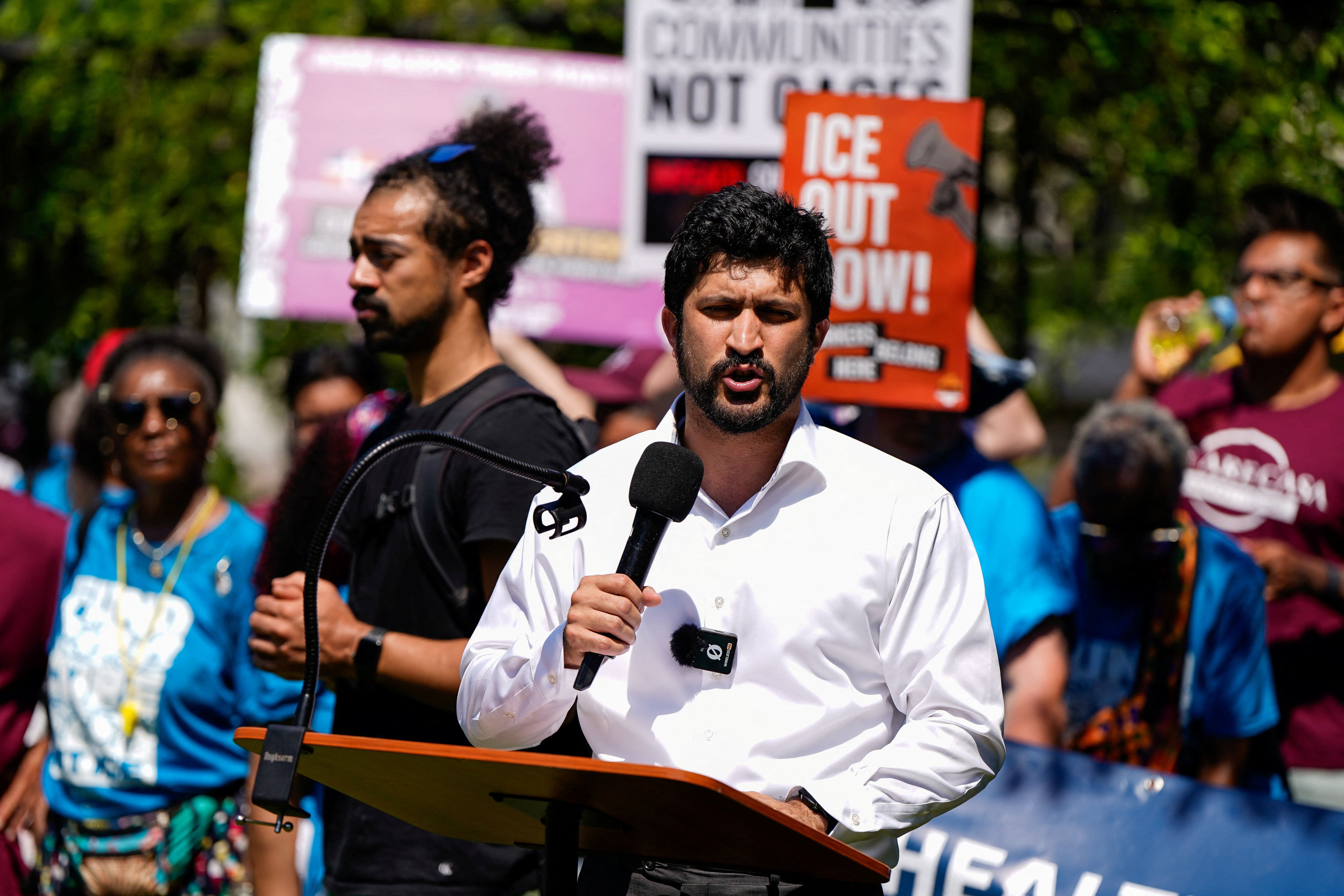
Rep. Rodney Casar and other progressive Democrats are preparing a series of AI regulation proposals, ranging from a ban on AI superintelligence to a tax on the technology to fund job programs that offset AI-related layoffs. A bipartisan draft bill from Reps. Lori Trahan (D-Mass.) and Jim Obernolte (R-Calif.) is also in the works, alongside a Democratic-led commission of lawmakers expected to publish its own proposals.
Why it matters
Although House Democrats remain in the minority, there is significant appetite within the caucus to advance AI regulation if Democrats gain control of the chamber after the fall elections. Casar views local backlash against AI data center construction as a sign of broader political momentum on the issue, suggesting that job losses tied to AI deployment may intensify support for regulation across party lines.
What to watch
The outcome of the 2025 election cycle will likely determine whether these proposals gain traction. Casar predicts that as workers experience job losses from AI, pushback will grow among Democrats, Republicans, and independent voters alike.
Summaries like this, in your inbox every morning.
Progressive Democrats are positioning AI regulation as a central policy focus ahead of the 2025 legislative session, with multiple legislative tracks already underway. The caucus sees an opportunity to act if electoral gains flip the House in their favor, though they remain in the minority today. Casar's framing of local backlash against AI data center construction as "tremors of a bigger political earthquake" reflects a calculation that AI-driven job displacement will become a galvanizing issue across the political spectrum. The emergence of both bipartisan initiatives (the Trahan-Obernolte bill) and Democratic-specific efforts (the commission) suggests that AI regulation may become a consensus priority rather than a partisan wedge, particularly as workers experience tangible job losses.
Pick your industry and the AI tools you use, and get news related to your work every day.
Free · 30 seconds with Google · unsubscribe anytimeWhat is AIToday? →
Ask AI anything about this article. The AI reads this article, earlier AIToday articles, and Wikipedia, and cites its sources. Q&As are published on this page for other readers too.
Taiwan is considering much stricter export controls on AI chip sales to China, part of a greater alignment wit…

Nichiren announced its generative AI voice usage guideline on October 15, built on three pillars: prior notice…

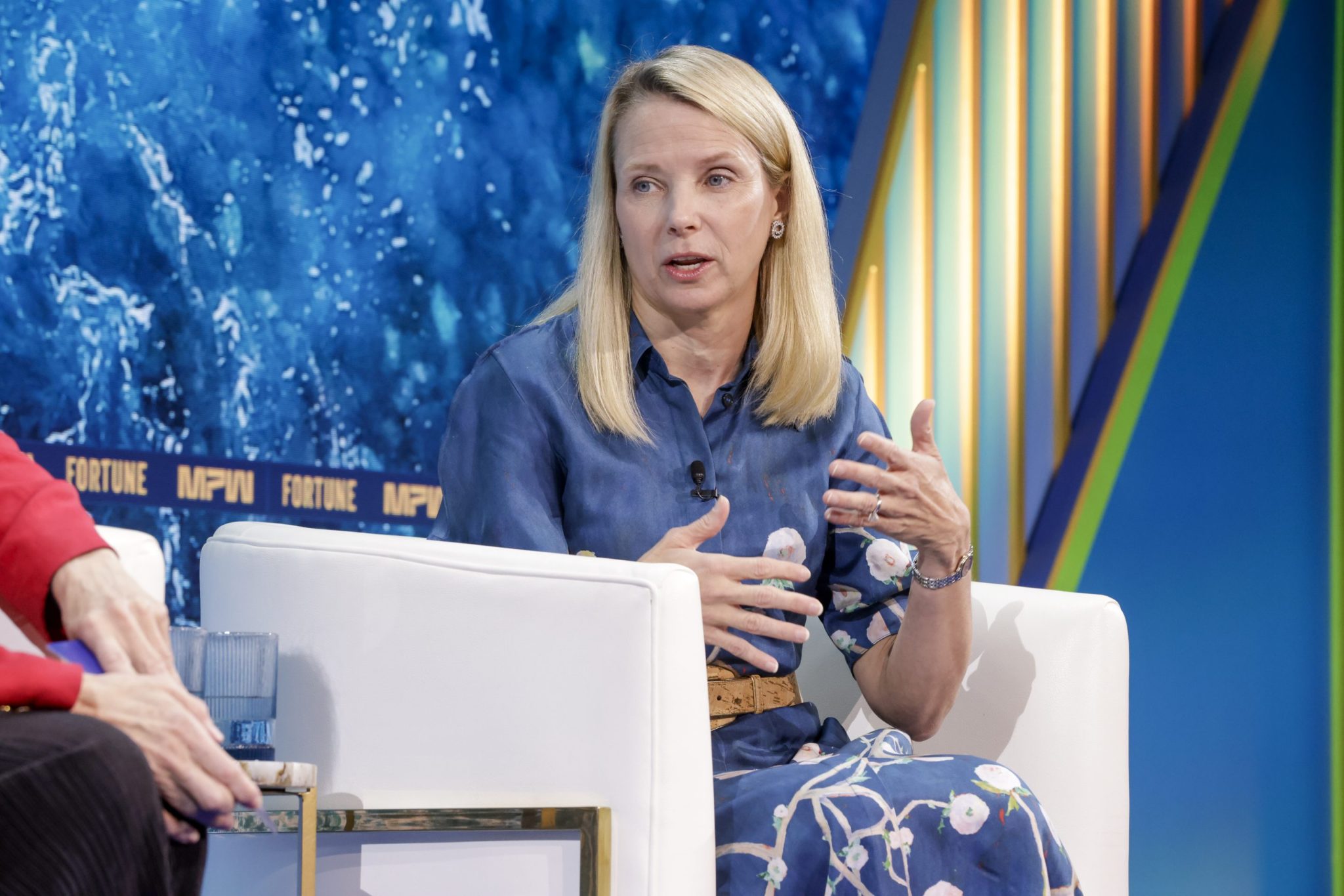
At the Most Powerful Women Summit, Marissa Mayer said anyone who claims to know how AI will play out is 'eithe…
SHIFT announced it began a project for the Acquisition, Technology & Logistics Agency (防衛装備庁) covering AI-rela…

After its first meeting Thursday, the White House AI task force formally adopted its charter, opening a 120-da…
Anthropic announced a revised Claude usage policy on October 8, 2026 that applies from November 12, 2026, rewr…


