What happened
Klique announced platform support for NVIDIA Nemotron 3.5 Super VL, OpenShell, Dynamo, and NeMo Switchyard, letting enterprises deploy these on their own hardware and eliminate third-party per-token billing.
Why it matters
Enterprises can keep data within their own tenant and route between frontier models and self-hosted ones, giving them control over spend and data sovereignty for production agent workloads.
WHO IT HITSEnterprise IT and platform teams running AI agents in production are the main audience, since the integrations let them keep model data on their own infrastructure and track cost and changes per agent.
Summaries like this, in your inbox every morning.
Klique positions itself as an enterprise control plane for AI resource management, governance, and cost visibility, and this announcement extends its existing collaboration with NVIDIA across three operational areas: compute cost and data sovereignty, production-scale agents, and securing autonomous workflows. By supporting Nemotron 3.5 Super VL, Klique lets users run NVIDIA's open model on their own hardware, which the company says ensures no data leaves the tenant and removes third-party per-token billing. The addition of NeMo Switchyard's routing algorithms alongside Klique's LLM gateway gives organizations a way to balance spending on frontier models against strict data sovereignty needs.
On the agent side, the body notes that a single agent task can trigger many model calls as it plans, uses tools, and reasons through each step, so inference demand climbs quickly once agents reach production. NVIDIA Dynamo is built for that load, distributing inference across GPU workers and sending repeated requests to workers that already hold the relevant cached context. Klique customers can deploy Dynamo directly from the platform and run agents on their own GPU infrastructure or in the cloud, with Klique adding security access rights, observability, and LLM routing to divert large-scale workflows to cost-effective resources. Teams can also retrain agents on past results, with the platform recording the data, model version, and compute cost behind every update so changes can be reviewed and traced.
For security, NVIDIA OpenShell establishes a monitored runtime environment designed to protect internal files, networks, and credentials during agent execution. By integrating OpenShell, Klique says enterprises can deploy autonomous agents like those built with NemoClaw open blueprints, Claude Code, Pi, Hermes, and Codex with the governance layer, policy compliance, and audit trails required for production.
Pick your industry and the AI tools you use, and get news related to your work every day.
Free · 30 seconds with Google · unsubscribe anytimeWhat is AIToday? →
Ask AI anything about this article. The AI reads this article, earlier AIToday articles, and Wikipedia, and cites its sources. Q&As are published on this page for other readers too.
China set up National Data Group, a state-owned enterprise headquartered in Xiong'an, Hebei province, with Vic…

Anthropic's draft IPO prospectus disclosed first-half revenue of $16.3 billion alongside an $80.7 billion net…

OpenAI said the PHP vulnerability, fixed the same day, was found using GPT-5.6 Sol through its Patch the Plane…
In Q3 2026 results on Oct

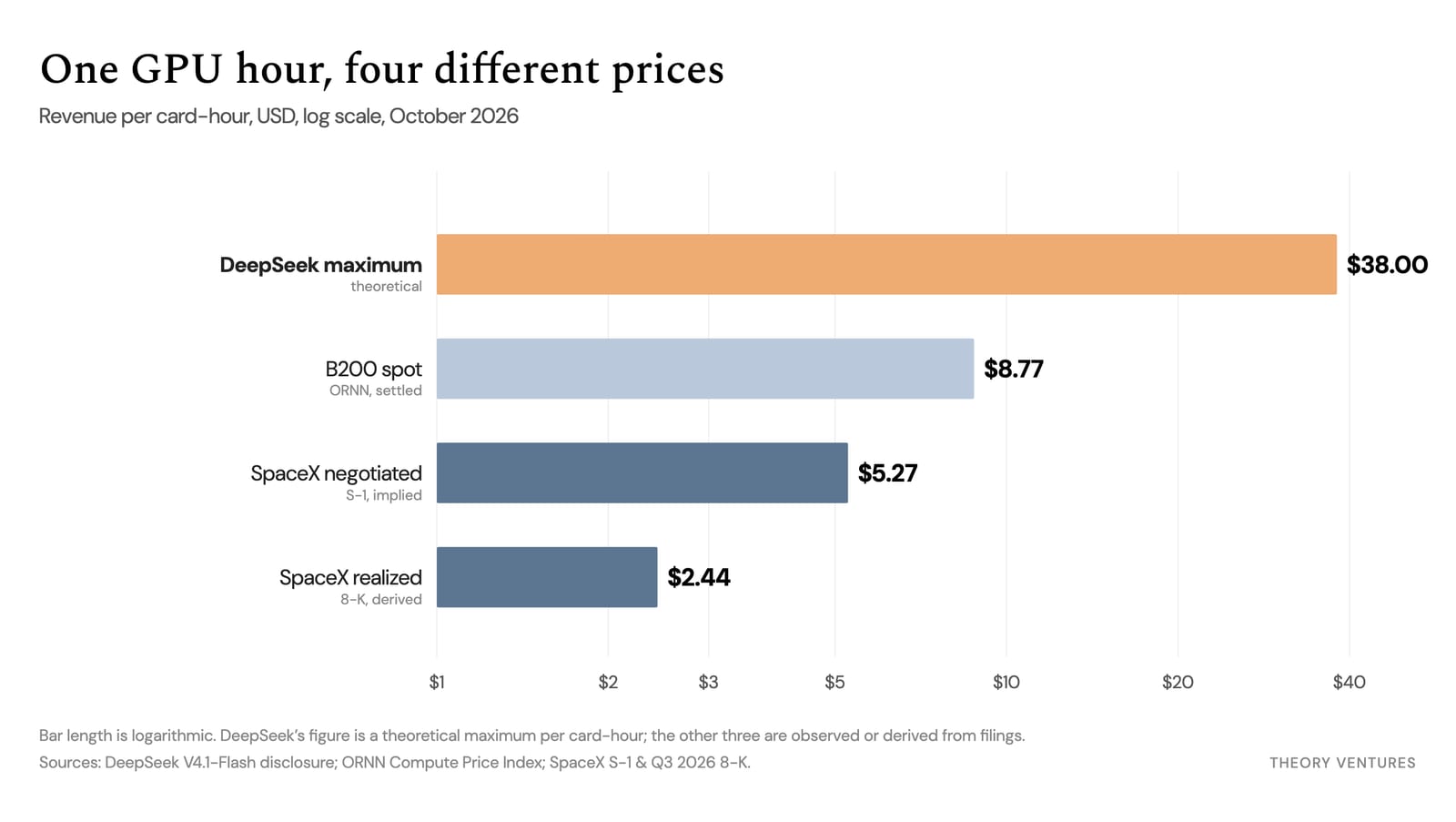
Tom Tunguz laid out a GPU pricing ladder from DeepSeek's theoretical $38.00 per card-hour maximum down to Spac…
Demis Hassabis now says AGI could arrive within two to three years, down from three to five years earlier this…