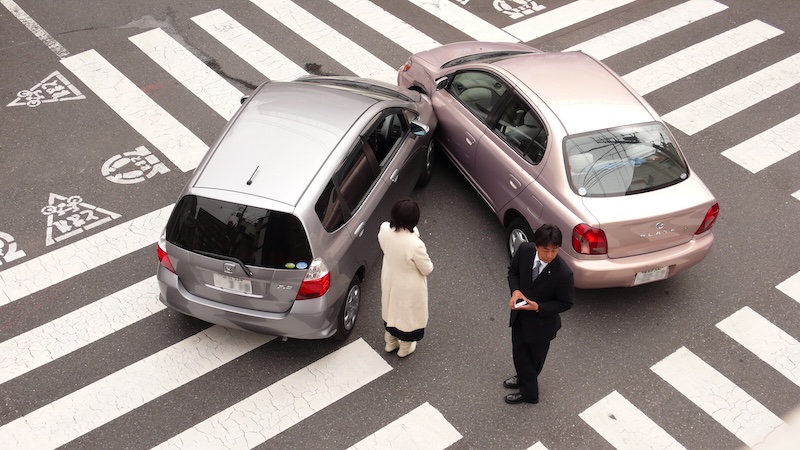
Travelers choosing between rental cars and self-driving services like Waymo should understand that each carries distinct legal risks. A rental car accident depends on the rental agreement, state insurance rules, and what supplemental coverage you bought, with claims often delayed by disputes among multiple insurers. A self-driving accident instead shifts liability toward the vehicle's technology and operating company, requiring preservation of sensor logs and app records that may disappear quickly. Resort property liability—from parking lot conditions to shuttle driver training—can further complicate claims. Proper documentation and immediate action at the scene, including screenshotting app ride records, can significantly shape how a claim unfolds.
Summaries like this, in your inbox every morning.
Sign up free →What happened
A guide clarifies that travelers choosing between renting a car and using self-driving services like Waymo face fundamentally different liability structures if an accident occurs. Rental car crashes depend on the rental agreement, state insurance rules, and supplemental coverage, while self-driving accidents shift liability questions toward the vehicle's sensors, software, and operating company rather than a human driver.
Why it matters
Rental car claims involve multiple insurance parties (the at-fault driver's policy, the rental company's coverage, your personal auto policy, credit card benefits) that can dispute responsibility and slow payment, while self-driving accidents require different evidence preservation—sensor logs, app ride records, and company incident reports—that may disappear quickly. Resort property liability adds another layer, since crashes on resort grounds can shift responsibility to the property itself if parking areas are poorly maintained or shuttle drivers were inadequately trained.
What to watch
Photograph vehicles, road conditions, and injuries; collect names and contact information from all drivers, witnesses, and property staff; request incident reports before leaving the scene; and screenshot ride-app details immediately, since those records often disappear faster than expected. An injured traveler can work with an attorney in their home state even if the accident occurred elsewhere.
Vacation travelers face a choice between renting a car and using self-driving services like Waymo, and the decision carries legal weight most people do not anticipate. A rental car puts the traveler behind the wheel on unfamiliar roads, but a self-driving vehicle introduces a different complexity if something goes wrong. The two options have fundamentally different risk profiles and claim structures. In a rental car accident, liability depends on the rental agreement, state insurance rules, and whether supplemental coverage was purchased. If someone else hits a rental car, the claim runs through their insurance, but rental company paperwork can slow resolution. A self-driving vehicle shifts this structure entirely: with no human driver making split-second decisions, questions about fault typically point toward the vehicle's sensors, software, or the operating company. This is a fundamentally different type of claim that usually requires different approaches to evidence and liability. Rental car claims grow complicated because they involve multiple moving parts: the at-fault driver's personal insurance, the rental company's own coverage or waiver, the traveler's personal auto policy if it extends to rentals, and a credit card's rental protection benefit. Each party can dispute responsibility or delay payment while pointing elsewhere. Unfamiliarity with local roads, exits, and traffic patterns makes liability disputes common in rental accidents. Documentation matters critically—the rental agreement, vehicle condition report, and any dashcam or telematics data the rental company holds all affect claim evaluation. Self-driving accidents like Waymo incidents raise a different question: who is responsible when there is no driver to blame? These claims often depend on data passengers rarely think to preserve, including vehicle sensor logs, ride records from the app, and internal incident reports. Because liability may involve the technology company rather than a person, these claims can require a different investigation than a typical crash. Passengers sometimes assume riding in an autonomous vehicle removes legal dispute exposure, but it can create new ones, especially when the company's data retention policies are unclear or multiple parties try to point at each other. Resort property adds another layer. Vacation injuries extend beyond the parking lot to resort shuttles, valet services, and hotel parking areas, introducing premises liability questions. A poorly lit parking lot, an improperly trained shuttle driver, or a valet attendant who mishandled a vehicle can shift responsibility onto the property itself. If a crash happens on resort grounds, it is worth asking who owns and maintains the parking area or shuttle service, whether the resort has surveillance footage, and whether the vehicle involved was resort-owned or a third-party contractor's. Immediately after any accident, travelers should photograph vehicles, the road or lot, and visible injuries; collect names and contact information from every driver, witness, and property employee; request a copy of any incident report before leaving; and avoid discussing fault at the scene. For rideshare and self-driving incidents, screenshotting ride app details before they can be edited or removed is critical, as those records often disappear faster than expected. Many travelers assume a claim must be handled entirely where the accident occurred, but an injured traveler can often work with an attorney based in their home state while the claim is filed elsewhere. Understanding these structures before a trip, not after an accident, puts travelers in a much stronger position if something goes wrong.
The article addresses a gap most travelers overlook: the legal difference between two seemingly similar vacation transportation choices. Rental cars place you in the role of driver, making liability dependent on contractual terms, state law, and what coverage you purchased at the counter. Self-driving services remove the driver role entirely, which sounds safer but actually creates novel legal complexity—the absence of a human decision-maker means investigations must focus on machine-generated data (sensors, logs, software) rather than eyewitness accounts of driver behavior. This distinction matters because the two accident types trigger different evidence-gathering urgencies and involve different liable parties. A rental claim can be delayed by disputes among multiple insurers; a self-driving claim may depend on data retention policies controlled by a technology company. Resort property liability—parking lot maintenance, shuttle driver training, valet services—adds a third layer of complexity unique to vacation accidents. The article emphasizes that understanding these structures before booking protects travelers far more than scrambling after an emergency room visit.
AI-summarized, only the topics you pick — one digest a day via Email, Slack, or Discord.
Free · takes 30 seconds · unsubscribe anytime
No comments yet. Be the first to share your thoughts!
Log in to join the discussion


Get curated AI news from 200+ sources delivered daily to your inbox. Free to use.
Get Started FreeFree · takes 30 seconds · unsubscribe anytime
1 minute a day. The AI essentials.
200+ sources · Email / LINE / Slack