What happened
Adobe Research and UC San Diego built EditAgent, which uses an unmodified language model to pick the best edit from parallel variants using measured verification data; Qwen3.8-27B made a usable pick 81.3 percent of the time, beating EditScore-72B's 74.8 percent.
Why it matters
With verification records, all seven language models tested beat every fine-tuned model, suggesting what a judge model sees can matter more than how it was trained, which points to higher-quality automated editing checks.
WHO IT HITSCreative professionals and product teams building AI editing features, such as those at Adobe, face a trade-off where EditAgent needs about ten times the compute of a single editor but can produce usable results more reliably.
Summaries like this, every morning.
EditAgent's approach contrasts with typical AI editing agents that retry the same general-purpose editor repeatedly and judge output by eyeballing. In a test of 600 image edits blind-rated by five professionals, the general-purpose editor Flux-2-Klein-9B failed to produce a usable result 42.7 percent of the time, while specialized tools solved roughly two-thirds of those failures, especially for sharpening, rotation, and zooming.
The researchers also found that iterative refinement piles up small errors, whereas professionals preferred parallel variants generated from the original in 78.5 percent of comparisons where they picked a side. EditAgent builds on both findings to avoid retrying the same editor and to use hard numbers for judging. It also checks whether later edits undo earlier ones, catching conflicts such as a "let in more daylight" instruction making a previously frosted window clear again.
Beyond editing, EditAgent serves as a data source: because it only keeps verified results, it produced about 26,000 training examples, and editors fine-tuned on that data performed better across three benchmarks, whereas training data generated directly by FLUX made FLUX worse. That tradeoff could make the agent's high compute costs worth it over time. Adobe's June addition of AI agents to Photoshop and other Creative Cloud apps as a public beta makes how well these agents pick tools and check their own output a directly relevant question for its shipping products.
Pick your industry and the AI tools you use, and get news related to your work every day.
Free · 30 seconds with Google · unsubscribe anytimeWhat is AIToday? →
Ask AI anything about this article. The AI reads this article, earlier AIToday articles, and Wikipedia, and cites its sources. Q&As are published on this page for other readers too.
In 100 sessions using the GAD-7 anxiety questionnaire, 80% of sessions scored moderate-to-severe under a suppo…

OpenAI's Misalignment Reports, launched September 16, 2026, list 20 reports as of October 30
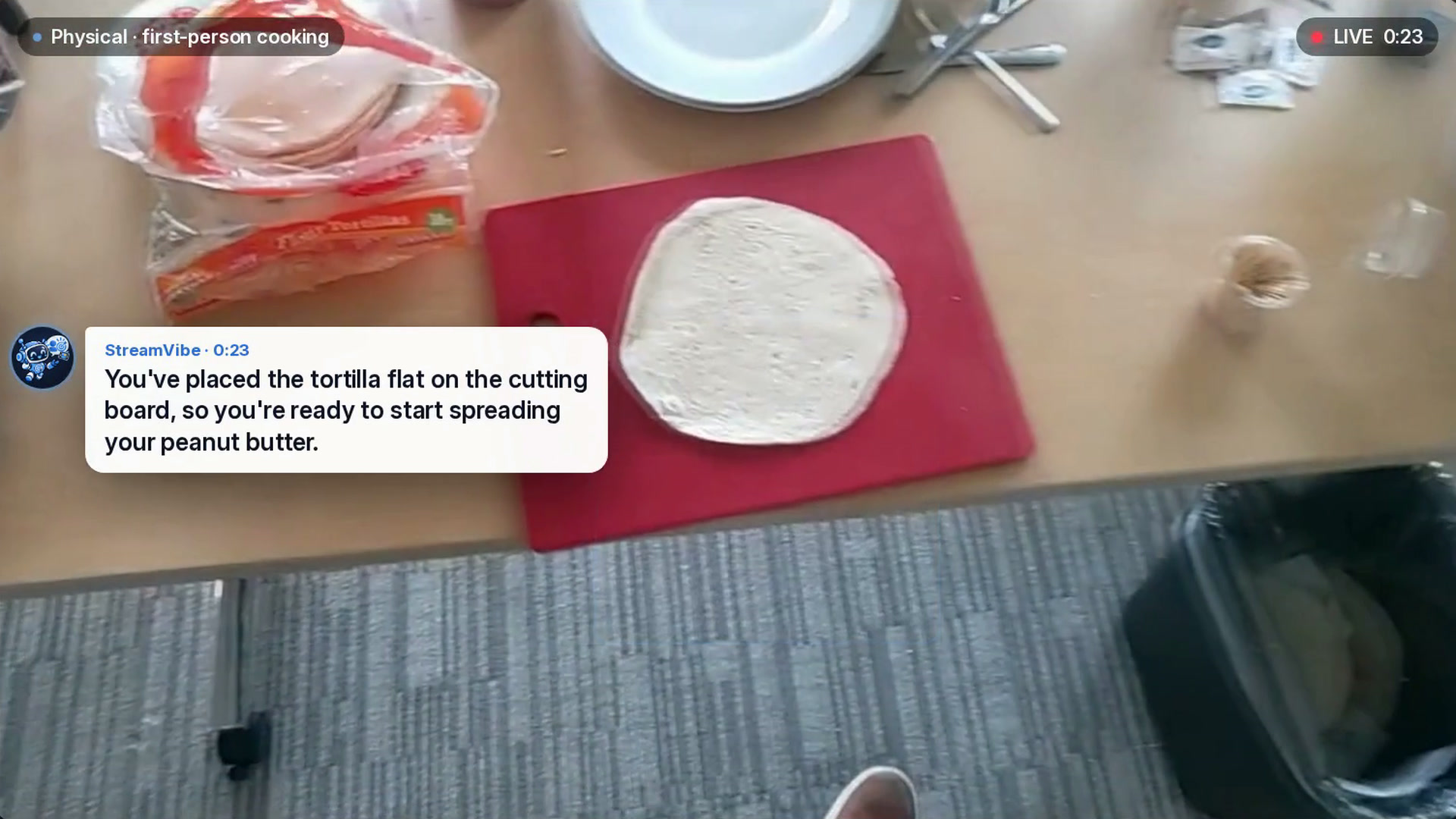
A Google-led team introduced StreamVibe, a video agent that judges when to offer help during everyday tasks; i…
Parameter reported on October 18 that a crafted ChatGPT share link could execute code in a victim's signed-in…

Three 20-year-olds on Mount Shasta relied partly on Google's Gemini for planning, summited at 7:30 pm, got los…

Starting in December, Plus, Pro, and Business plans will share one token budget across ChatGPT and Codex, and…