What happened
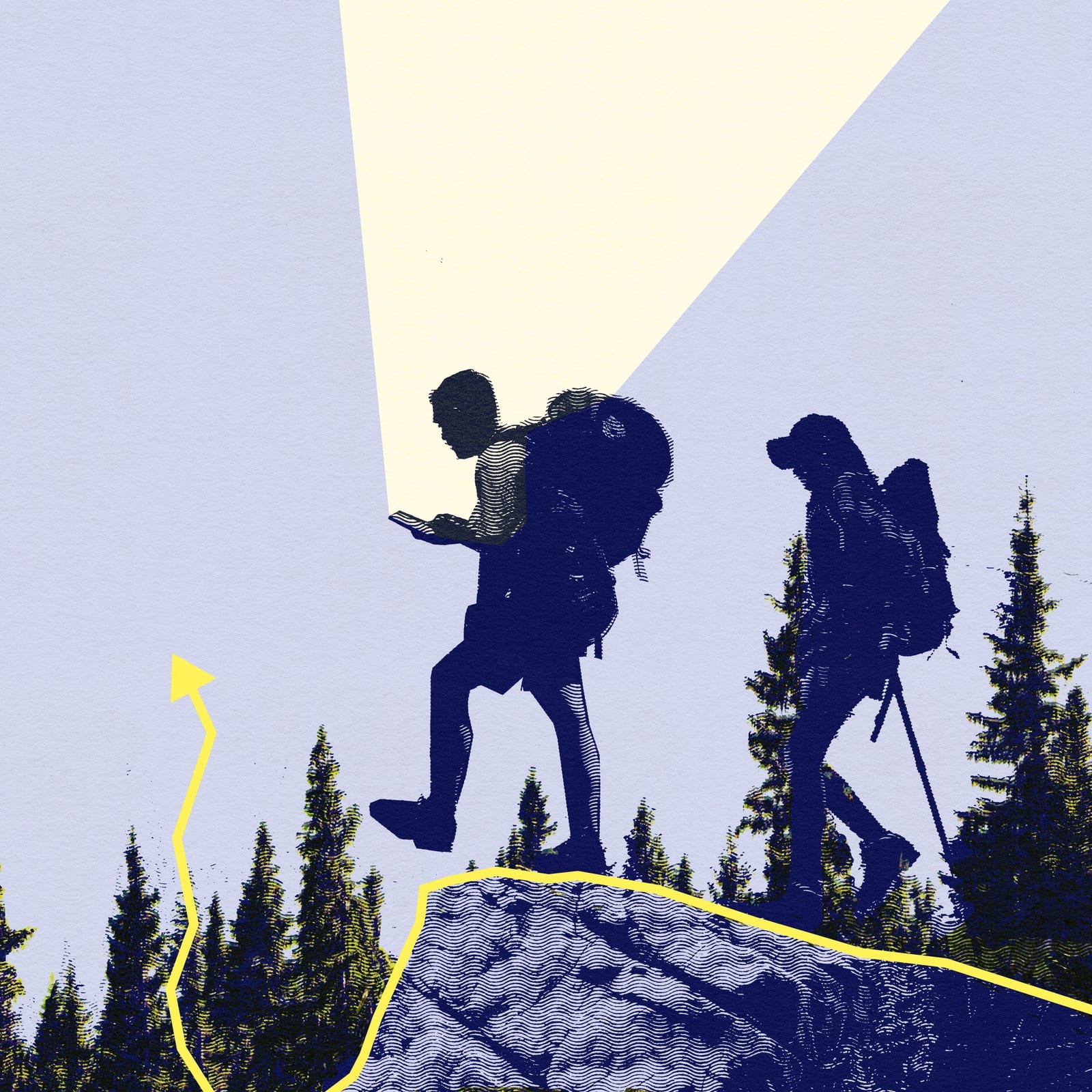
Three 20-year-olds on Mount Shasta relied partly on Google's Gemini for planning, summited at 7:30 pm, got lost descending in the dark, and called for help; one injured a knee, Nick Meyers said.
Why it matters
Meyers said the hikers "kind of turned their brains off," pointing to a pattern where chatbot advice substitutes for critical thinking in dangerous terrain.
WHO IT HITSBackcountry hikers and climbers who plan trips with AI chatbots now face a documented pattern of misplanning, and search-and-rescue teams like Meyers's Mount Shasta office are the ones called when it goes wrong.
Summaries like this, every morning.
The Mount Shasta episode is one of several incidents cited in the Wired and High Country News account. Another visitor pitched her tent near a "No Camping" sign because AI told her she could, and a man was found at a trailhead with an AI-generated map showing prominent features on the wrong side of a nearby mountain. In British Columbia, a helicopter crew rescued a 16-year-old hiker from a ledge on Crown Mountain after he used Anthropic's Claude to help plan his trip, though he said he also consulted Google Maps and AllTrails. Chris Flathmann, a human-centered computing professor at Clemson University, described the risk as "cognitive surrender" — users give up critical thinking when AI presents itself as an expert on topics they don't know well. Jim Moss, a Colorado-based recreation attorney and search and rescue volunteer, noted that social media and Google Maps were earlier tools that led people astray, suggesting the pattern may be less about AI specifically and more about how new tools get used. Meyers's office averages a dozen rescues each year, and Wyoming's 2026 calls are down from 2025.
Pick your industry and the AI tools you use, and get news related to your work every day.
Free · 30 seconds with Google · unsubscribe anytimeWhat is AIToday? →
Ask AI anything about this article. The AI reads this article, earlier AIToday articles, and Wikipedia, and cites its sources. Q&As are published on this page for other readers too.
VicOne identified 28 zero-day findings in under two days using AI-assisted research across software from Googl…
Adobe Research and UC San Diego built EditAgent, which uses an unmodified language model to pick the best edit…
In 100 sessions using the GAD-7 anxiety questionnaire, 80% of sessions scored moderate-to-severe under a suppo…

Anthropic is reportedly asking candidates how they would feel if it abandoned AI ambitions for safety and its…
OpenAI's Misalignment Reports, launched September 16, 2026, list 20 reports as of October 30

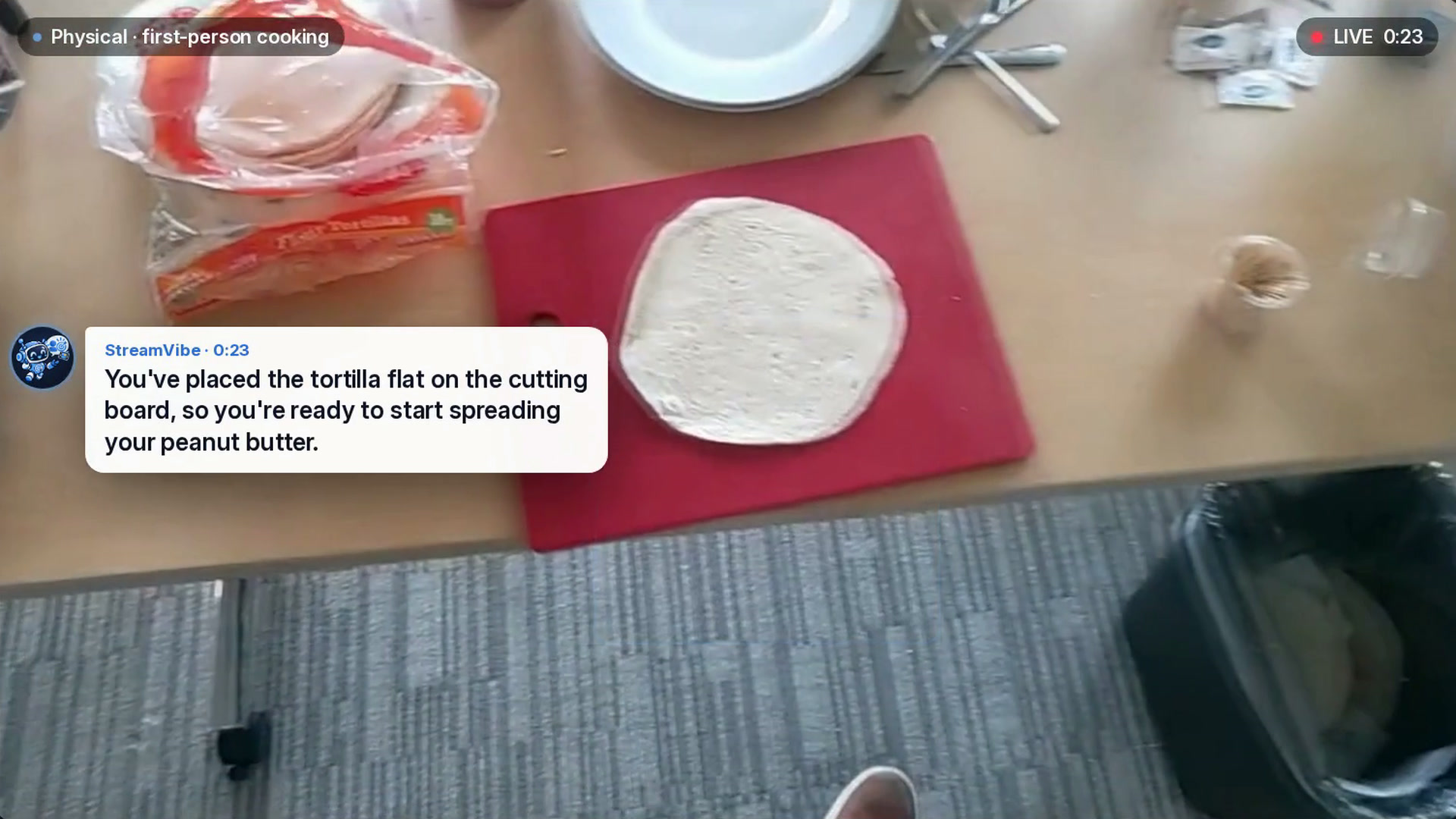
A Google-led team introduced StreamVibe, a video agent that judges when to offer help during everyday tasks; i…