What happened
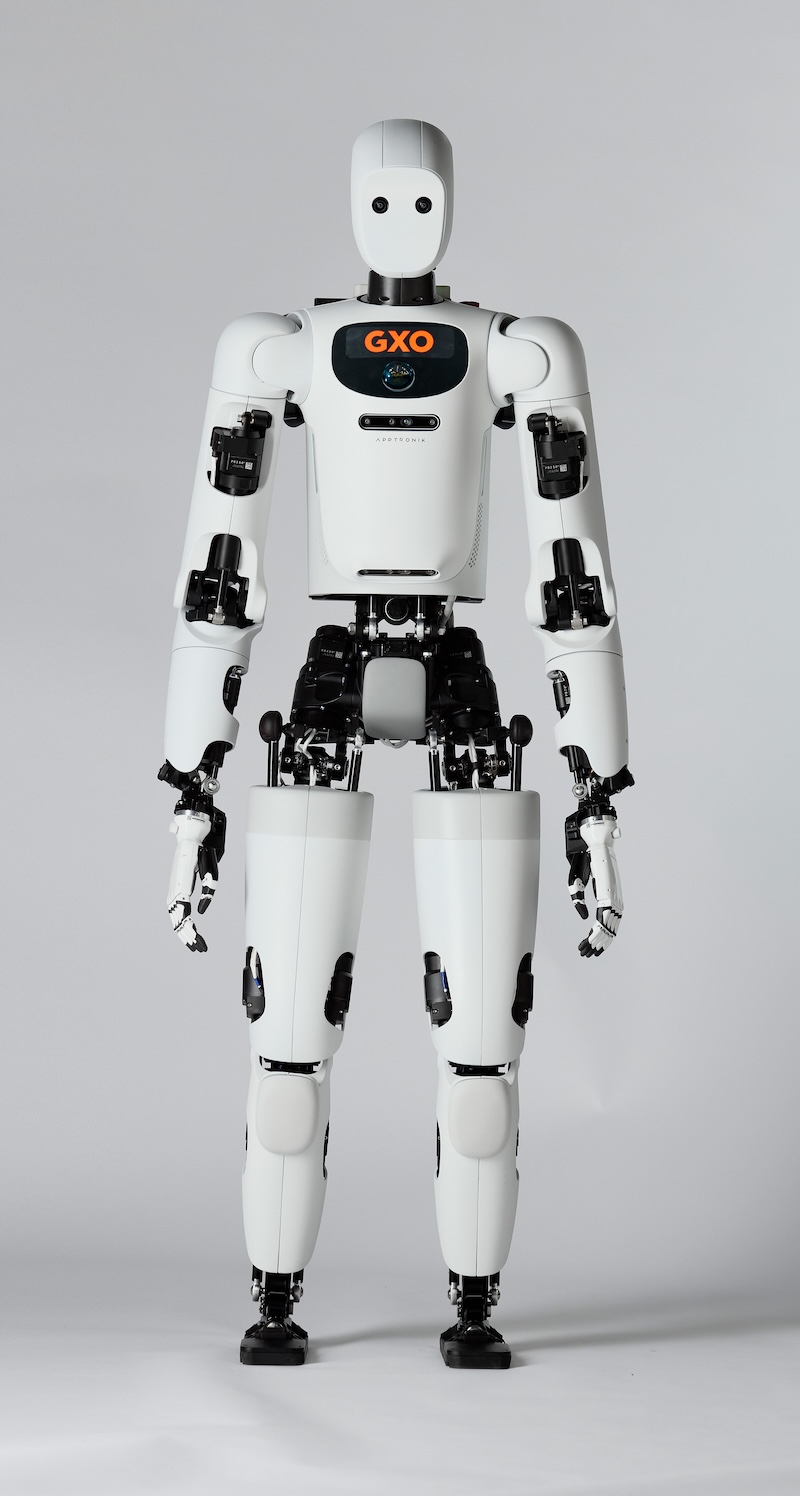
GXO Logistics and Apptronik signed an agreement to expand joint trials of the Apollo humanoid robot across warehouse workflows, aiming for a global rollout of up to 1,000 Apollo robots over the next four years, starting in North America in late 2027.
Why it matters
The deal moves Apollo from earlier pilot work into live warehouse operations at one of the world's largest logistics providers, a step toward humanoid robots working alongside existing automation and GXO team members.
What to watch
Beginning in 2027, trials will validate safety, security and technical requirements for scaled deployment, with initial deployment in North America in late 2027.
WHO IT HITSWarehouse operators and logistics teams may see humanoid robots take on repetitive picking, packing and sortation tasks, while GXO staff could shift toward higher-value activities as the technology is deployed.
Summaries like this, every morning.
GXO and Apptronik's relationship dates back to 2024, when the two began a proof-of-concept program to develop practical applications for the Apollo humanoid in warehouse environments. Earlier this year, Apollo completed a pilot deployment with GXO in the US focused on autonomous picking for small consumer goods, and the partners have since conducted data collection and live autonomous evaluations on more than 50 different logistics tasks at Apptronik's Robot Park training facility.
The new agreement builds on that groundwork by expanding joint trials into a broader set of live warehouse workflows. Beginning in 2027, the trials will validate the safety, security and technical requirements for scaled deployment, with each use case assessed and sequenced against jointly agreed productivity, safety and operational KPIs. The companies intend to progress toward a global rollout of up to 1,000 Apollo robots over the next four years, subject to the success of the deployments and the ability to meet agreed performance, safety and operational KPIs.
Apollo is designed to perform repetitive, physically demanding tasks in warehouse environments, and the technology is expected to help address labor availability, improve throughput and uptime, and enable employees to focus on higher-value activities. GXO has a long track record of testing and scaling advanced automation, robotics and AI across its global network, and the expanded relationship with Apptronik paves the way for humans and humanoids to work together at scale.
Pick your industry and the AI tools you use, and get news related to your work every day.
Free · 30 seconds with Google · unsubscribe anytimeWhat is AIToday? →
Ask AI anything about this article. The AI reads this article, earlier AIToday articles, and Wikipedia, and cites its sources. Q&As are published on this page for other readers too.
Ron Zukerman of Vishay Precision Group argues in a commentary that humanoid robots stall at the moment of cont…

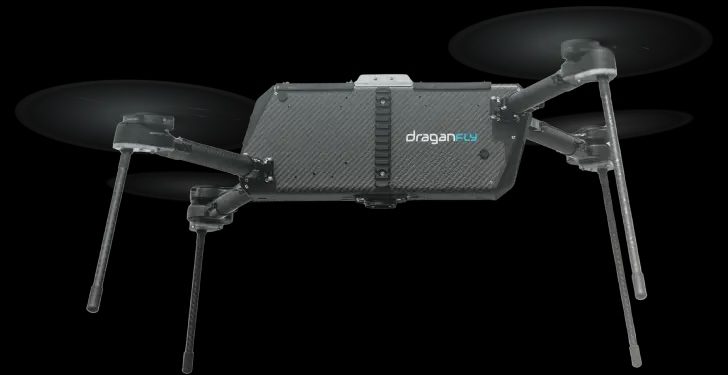
Draganfly signed an agreement on November 16 with Prime Strategic Holdings, Inc., part of the Razon Group, to…
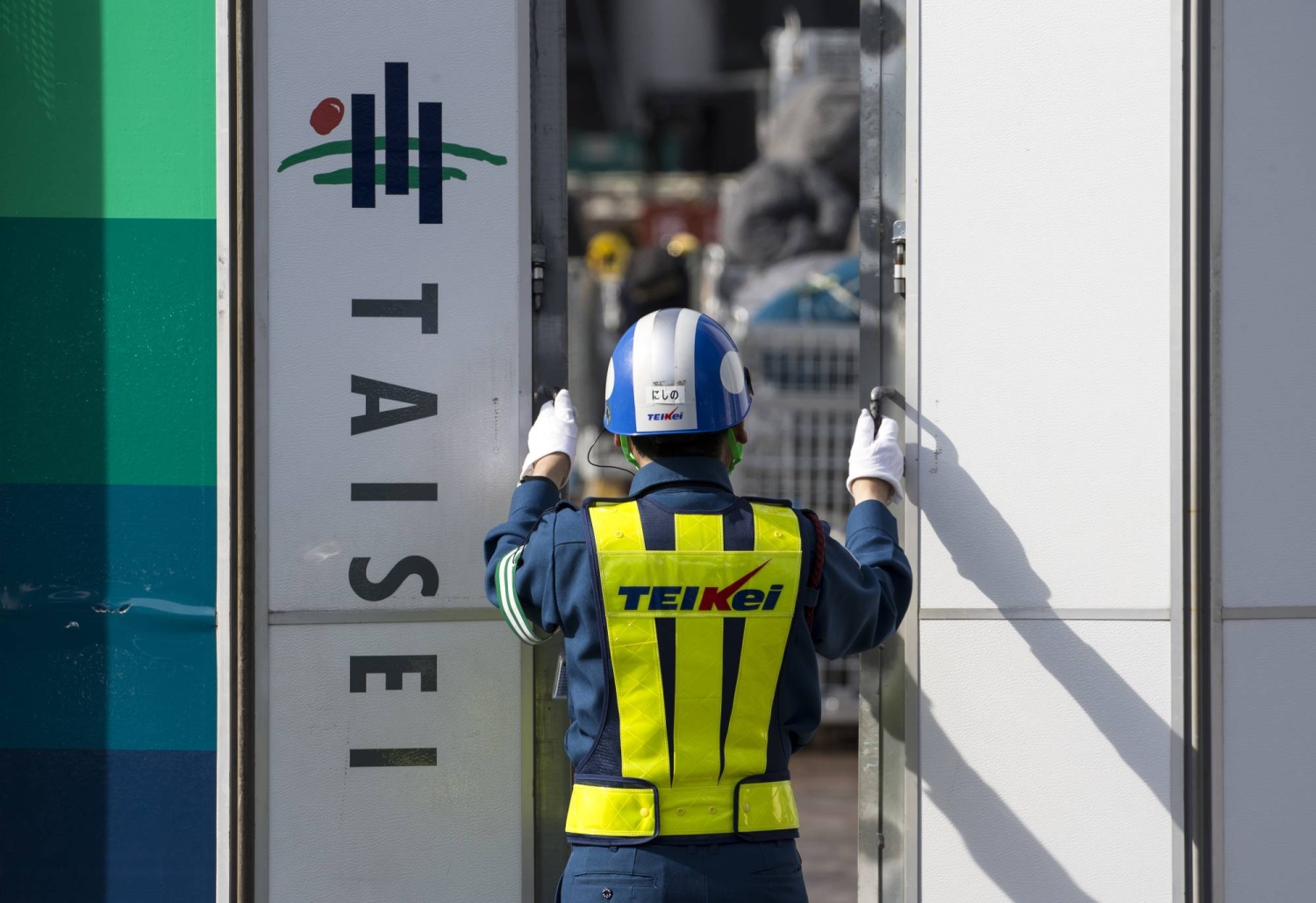
Taisei set up a $150 million fund with Pegasus Tech Ventures as general partner to invest in AI and robotics s…
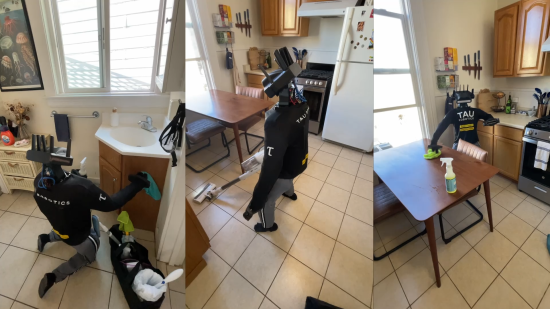
A humanoid cleaning service launched in San Francisco; the roughly 137 cm robot arrives by booking and is tele…
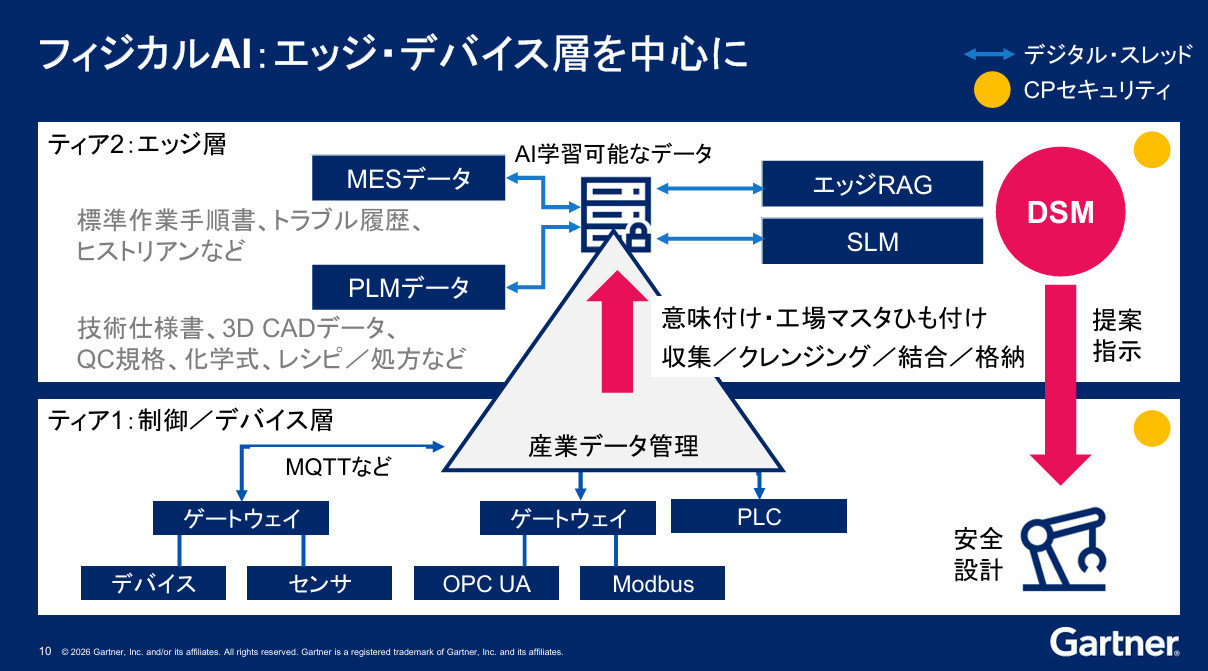
Gartner Japan analyst Kentaro Shikanai said physical AI implementation is forecast within 10 years, though it…
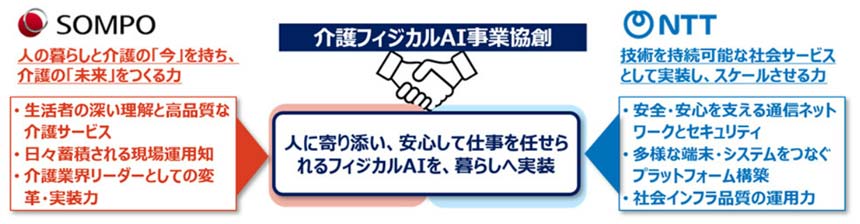
SOMPO Holdings and NTT signed a partnership agreement on November 11, 2026 to advance physical AI in nursing c…