What happened
Ron Zukerman of Vishay Precision Group argues in a commentary that humanoid robots stall at the moment of contact, when cameras lose sight of the surface and only force sensing closes tolerances of tens of microns.
Why it matters
Without precise force feedback, Zukerman says machine-learning policies learn to ignore touch entirely and lean on vision, which limits tasks like connector insertion and threaded assembly in commercial sites.
Summaries like this, every morning.
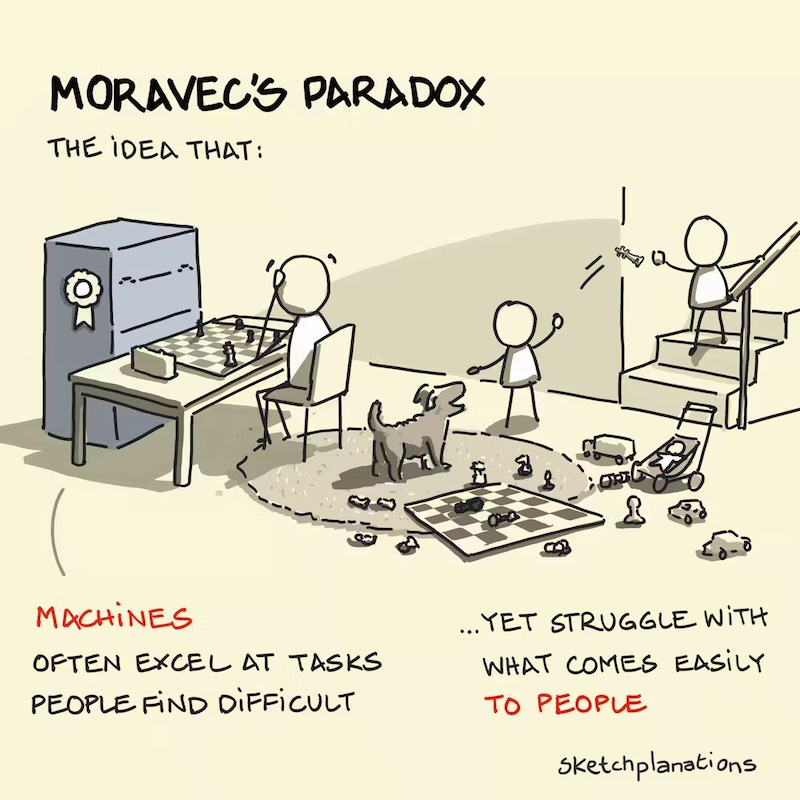
Zukerman’s argument starts from evolutionary history: sensory processing, balance, and fine motor skills evolved over hundreds of millions of years and operate below conscious awareness. Abstract reasoning, by contrast, is a thin, crude layer that is easy to reverse-engineer into software. That helps explain why computers mastered chess and math before folding laundry, cracking an egg, or picking up a mug in an unfamiliar kitchen — tasks called some of the toughest problems in AI and robotics.
The piece then narrows to the point where visual predictions meet physical resistance. Camera-based vision provides spatial awareness, but contact cuts line of sight. Force and torque sensing turns a hard perception problem into a controlled physical search: the robot moves until it makes contact, probes until parts line up, and stops when resistance changes. Mass, friction, softness, stiffness, and grip proximity do not show up in pixels, so vision-trained models struggle to predict how objects push back.
On hardware, the piece warns that imprecise force feedback does more than degrade performance; it can cause the control model to delete touch as an operational modality. Preventing that requires unit-to-unit repeatability, long-term zero stability, kilohertz bandwidth, and deterministic latency, with a full multi-axis force-torque sensor distinguishing routine resistance from an impending jam. The broader point is that scaling physical systems demands different discipline than scaling software, where performance grows through model size and compute replication.
Pick your industry and the AI tools you use, and get news related to your work every day.
Free · 30 seconds with Google · unsubscribe anytimeWhat is AIToday? →
Ask AI anything about this article. The AI reads this article, earlier AIToday articles, and Wikipedia, and cites its sources. Q&As are published on this page for other readers too.
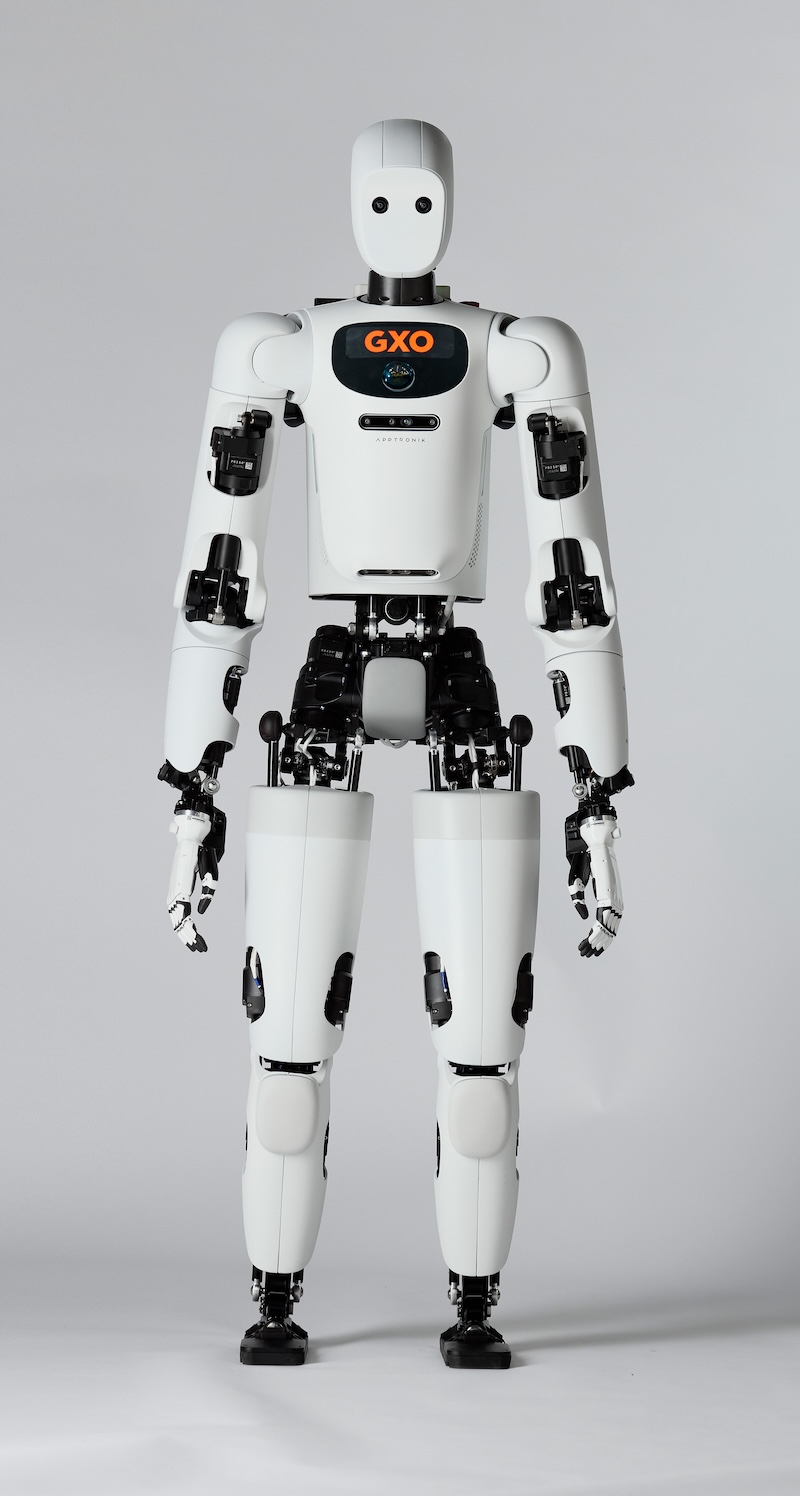
GXO Logistics and Apptronik signed an agreement to expand joint trials of the Apollo humanoid robot across war…
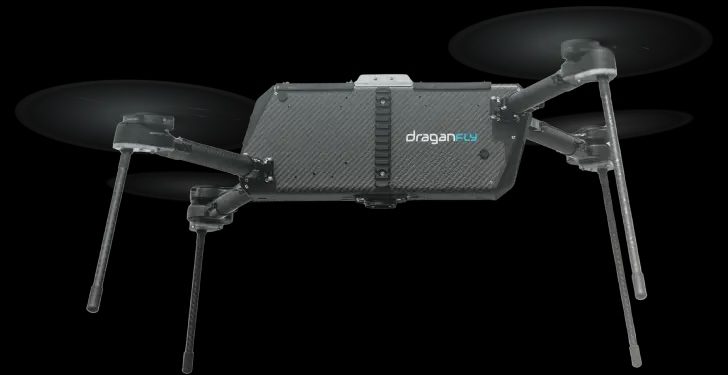
Draganfly signed an agreement on November 16 with Prime Strategic Holdings, Inc., part of the Razon Group, to…
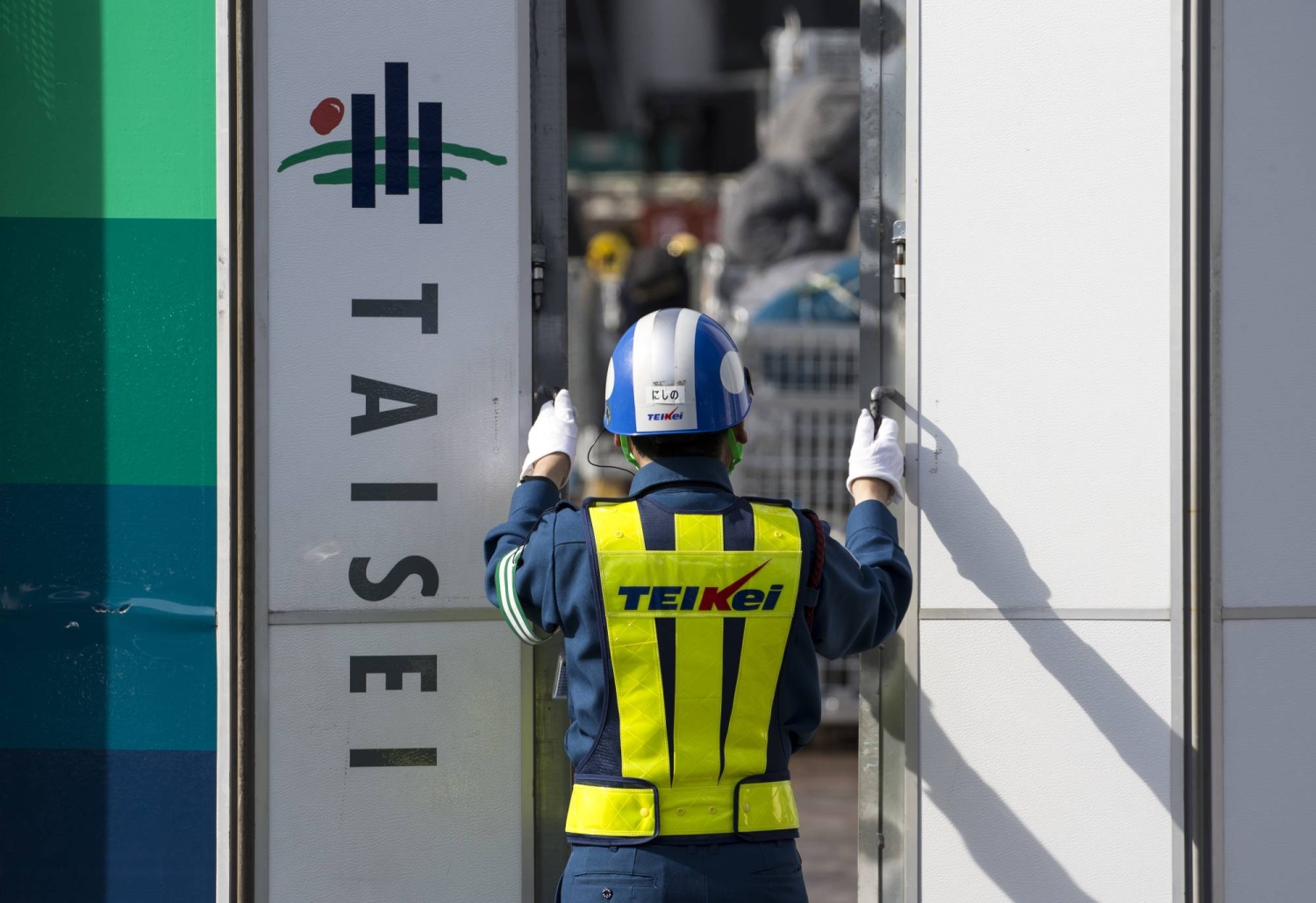
Taisei set up a $150 million fund with Pegasus Tech Ventures as general partner to invest in AI and robotics s…
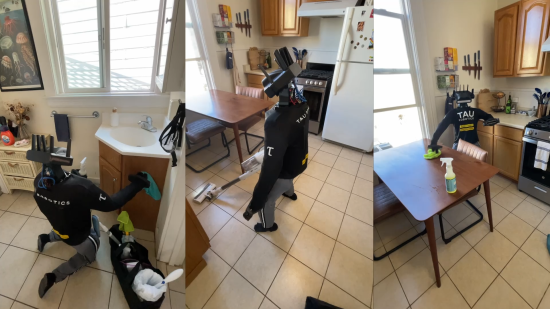
A humanoid cleaning service launched in San Francisco; the roughly 137 cm robot arrives by booking and is tele…
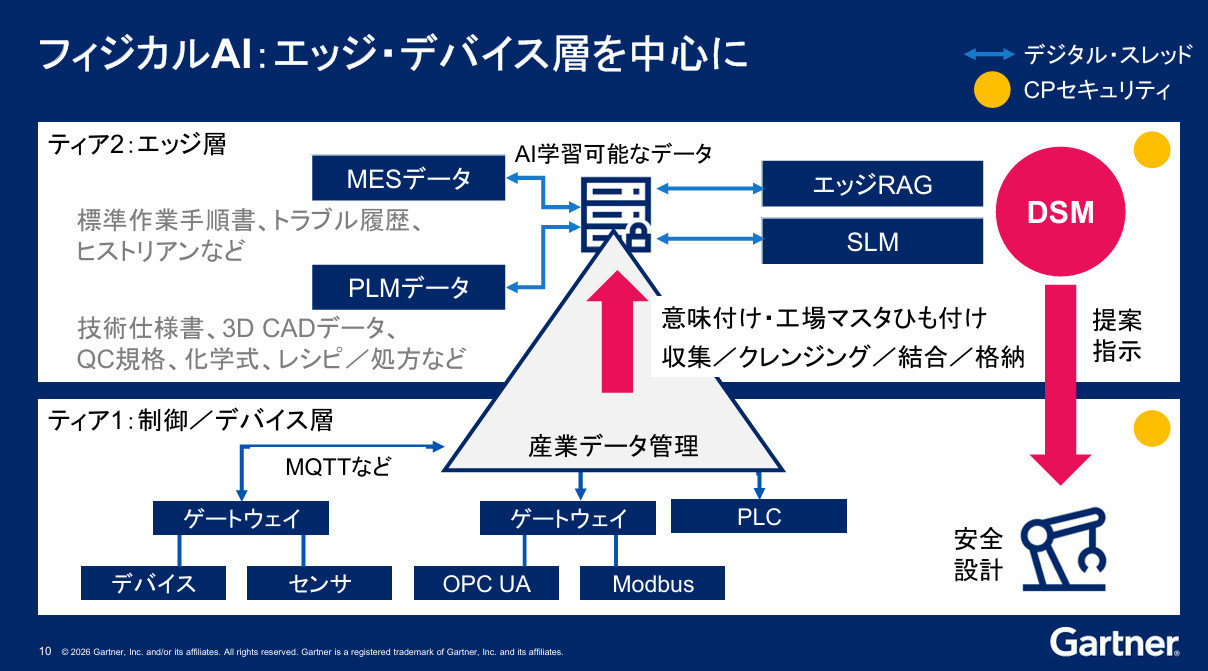
Gartner Japan analyst Kentaro Shikanai said physical AI implementation is forecast within 10 years, though it…
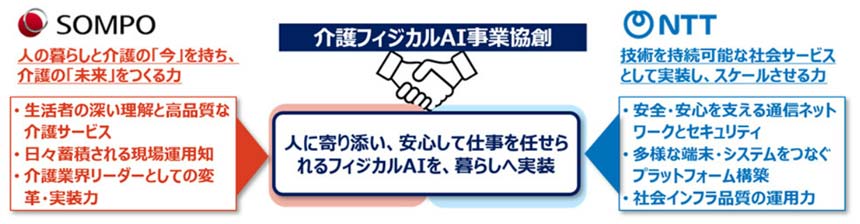
SOMPO Holdings and NTT signed a partnership agreement on November 11, 2026 to advance physical AI in nursing c…