
What happened
A new OpenAI blog post announces that its GPT‑6 Astra model can now act as a "semi-autonomous agent" to handle multi-step tasks. The post claims the model's large context window lets it manage these complex jobs effectively. This represents a move beyond simple question-and-answer interactions toward AI that executes a sequence of actions.
Why it matters
This marks a shift in what AI is used for, from drafting text to completing entire workflows that require planning and execution. The post suggests this is a move toward a future where AI acts as a "semi-autonomous agent" that integrates more deeply into people's work and productivity. If realized, this could significantly change how individuals and businesses approach project management and task completion.
What to watch
The central promise is that GPT‑6 Astra will move AI from a simple tool to a "semi-autonomous agent" capable of completing high-level goals. The effectiveness of its planning and action loop in real-world scenarios will be the true test. This positions OpenAI's latest model as a direct contender in the emerging field of agentic AI.
WHO IT HITSBusiness users who want to delegate entire projects and workflows may find their roles shift from direct executor to manager, overseeing an AI's multi-step plan. The underlying model could also be integrated into other business tools, amplifying this effect. The need to define tasks precisely for such a system will become more critical.
Summaries like this, every morning.
Pick your industry and the AI tools you use, and get news related to your work every day.
Free · 30 seconds with Google · unsubscribe anytimeWhat is AIToday? →
Ask AI anything about this article. The AI reads this article, earlier AIToday articles, and Wikipedia, and cites its sources. Q&As are published on this page for other readers too.
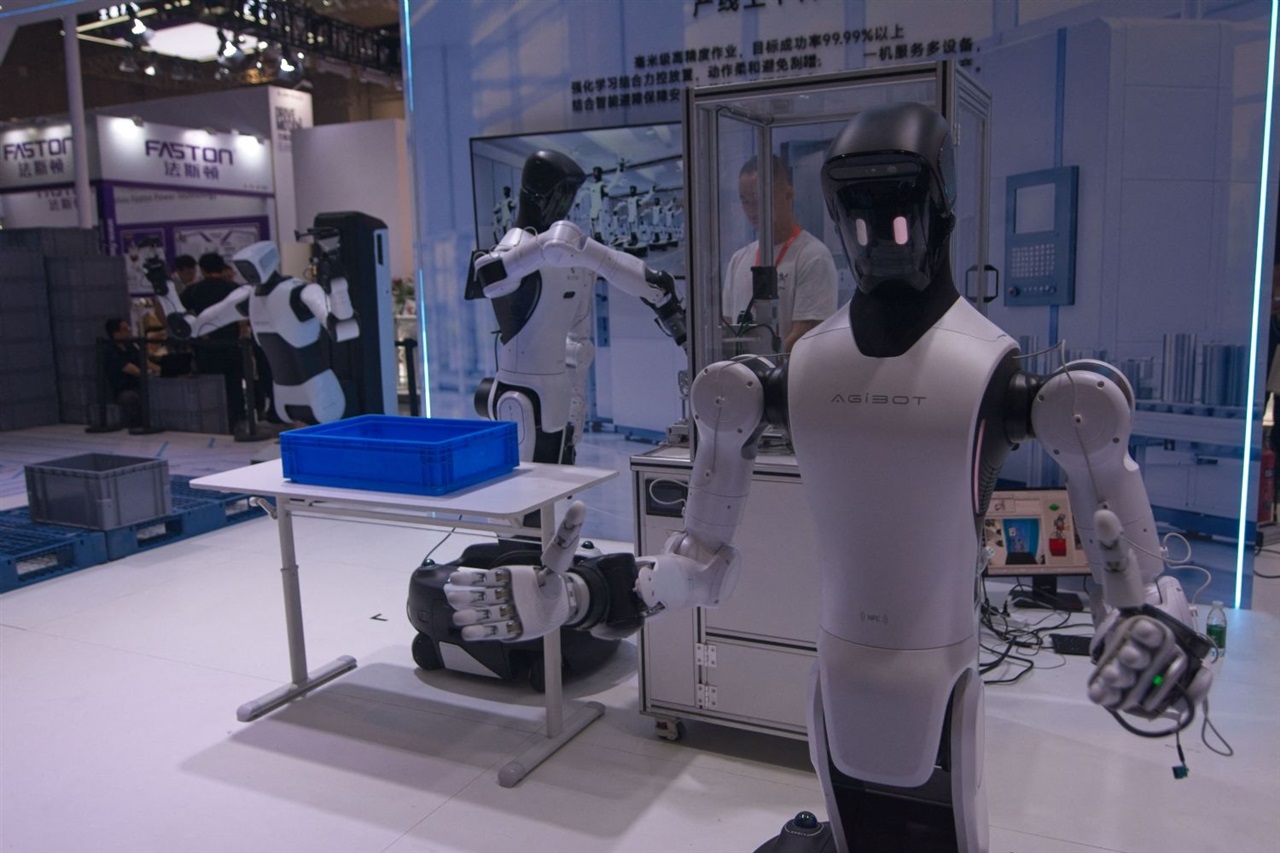
After GPT-6 Astra launched in early September 2026, researchers ran it through Physical AI and robotics benchm…
In an October 23 research note, Bernstein analysts said dominant aggregators such as Amazon, Uber and DoorDash…

tanacode 2.4.0's away mode lets Claude decide on its own and log choices while leaving irreversible or externa…

The author matched four incidents to the principles — Next.js middleware auth bypass (CVE-2025-29927) and Reac…
SpaceX reported revenue up 161% with positive EBITA
The author, who once settled on gradient boosting in scikit-learn for demand forecasting, says he could not an…