What happened
Goldman Sachs chief economist Jan Hatzius estimates the AI buildout's growth impulse will peak in late 2026 or early 2027, with capex growth slowing as a share of GDP. Days earlier, Apollo's Torsten Slok showed profit margins and revenue per worker are flat across the S&P 493 even as they rise among the Magnificent Seven.
Why it matters
The productivity handoff meant to cushion the slowdown is absent from the data, so outside tech, token spending is viewed as a cost center weighing on margins — putting the boom's fate in the S&P 493, which is barely moving.
Summaries like this, every morning.
The two notes land within 48 hours of each other, and both come from economists at firms financing the buildout — Goldman Sachs and Apollo. That timing matters because the premise they challenge is the one that has underwritten three years of spending: build infrastructure now, and a historic wave of corporate productivity will soon pay the tab. Goldman still believes in the long-term payoff, but its path runs through near-term labor-market disruption that weighs on growth before lifting it.
The gap Slok identifies is between the Magnificent Seven and the rest of the S&P 500. His conclusion that the boom's fate will be decided in the S&P 493, not the Mag 7, sits alongside a striking divergence: margins and revenue per worker are rising among the seven, flat among the 493. Outside tech, token spending is being recast as a cost center rather than a growth source, which helps explain why the productivity handoff Goldman assumes is missing from the data.
Both camps are right — the CEOs about the destination, the economists about the distance — and the tension is framed as a classic financial mismatch: short-term capital on an impatient timetable financing a transition whose payoff runs on a multi-year horizon. The supporting evidence points the same way. Only about 6% of companies report a significant bottom-line AI impact, barely 2% of US households pay for an AI service as of April, and among daily AI users, 44% report friction from extra processes, verification, and rework. The authors' own read is that a pullback to reassess is the likely next step and a healthy one.
Pick your industry and the AI tools you use, and get news related to your work every day.
Free · 30 seconds with Google · unsubscribe anytimeWhat is AIToday? →
Ask AI anything about this article. The AI reads this article, earlier AIToday articles, and Wikipedia, and cites its sources. Q&As are published on this page for other readers too.
Solink Corp. raised more than $100 million, led by Vertu Capital, with Goldman Sachs also investing; its platf…
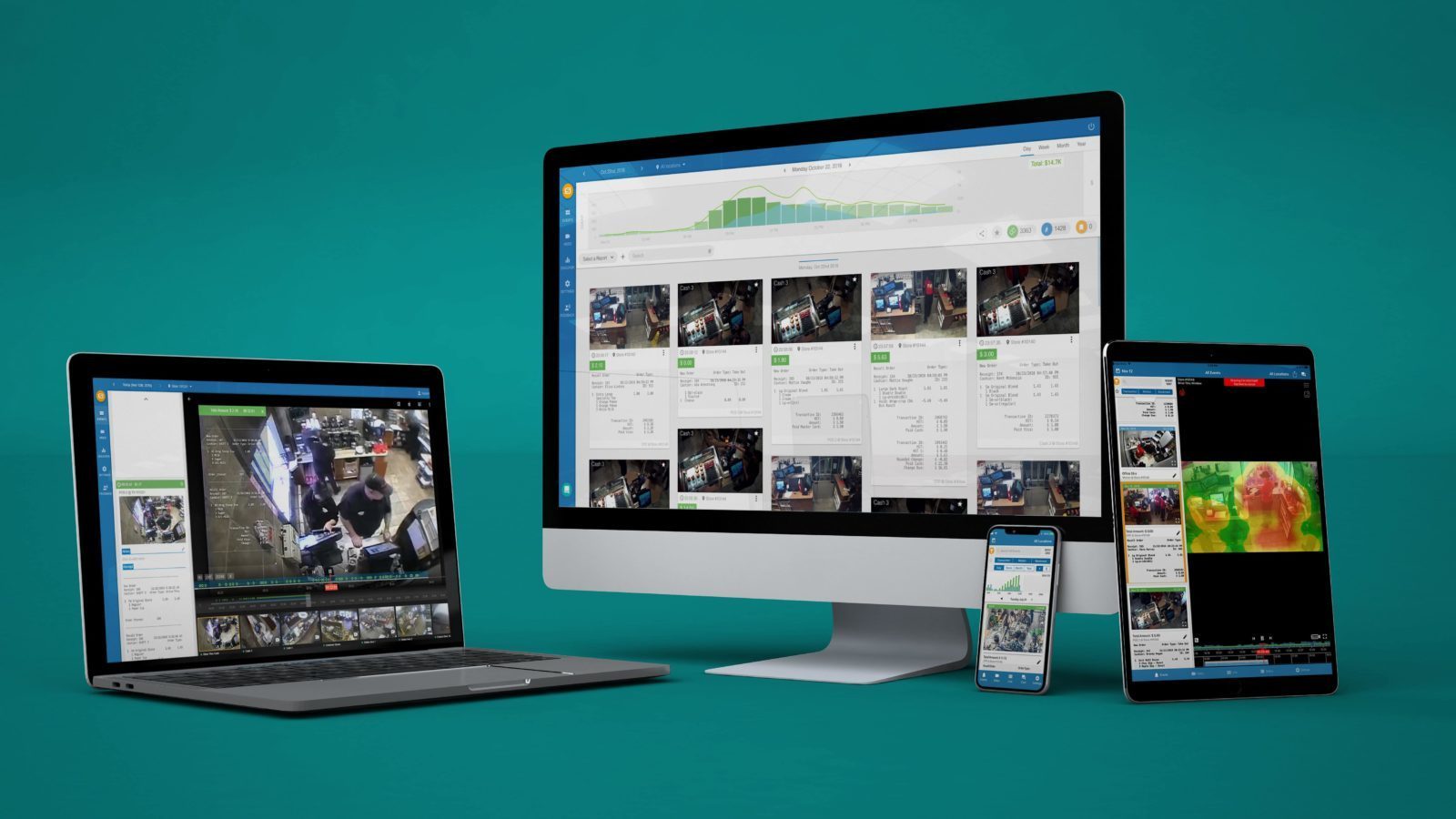
Crux Labs launched with over $6 million in funding led by Benchstrength and Misneach, with Analog Ventures and…
Etsy said quarterly active buyers rose for the first time in two years, with revenue up 11% to $692.5 million…
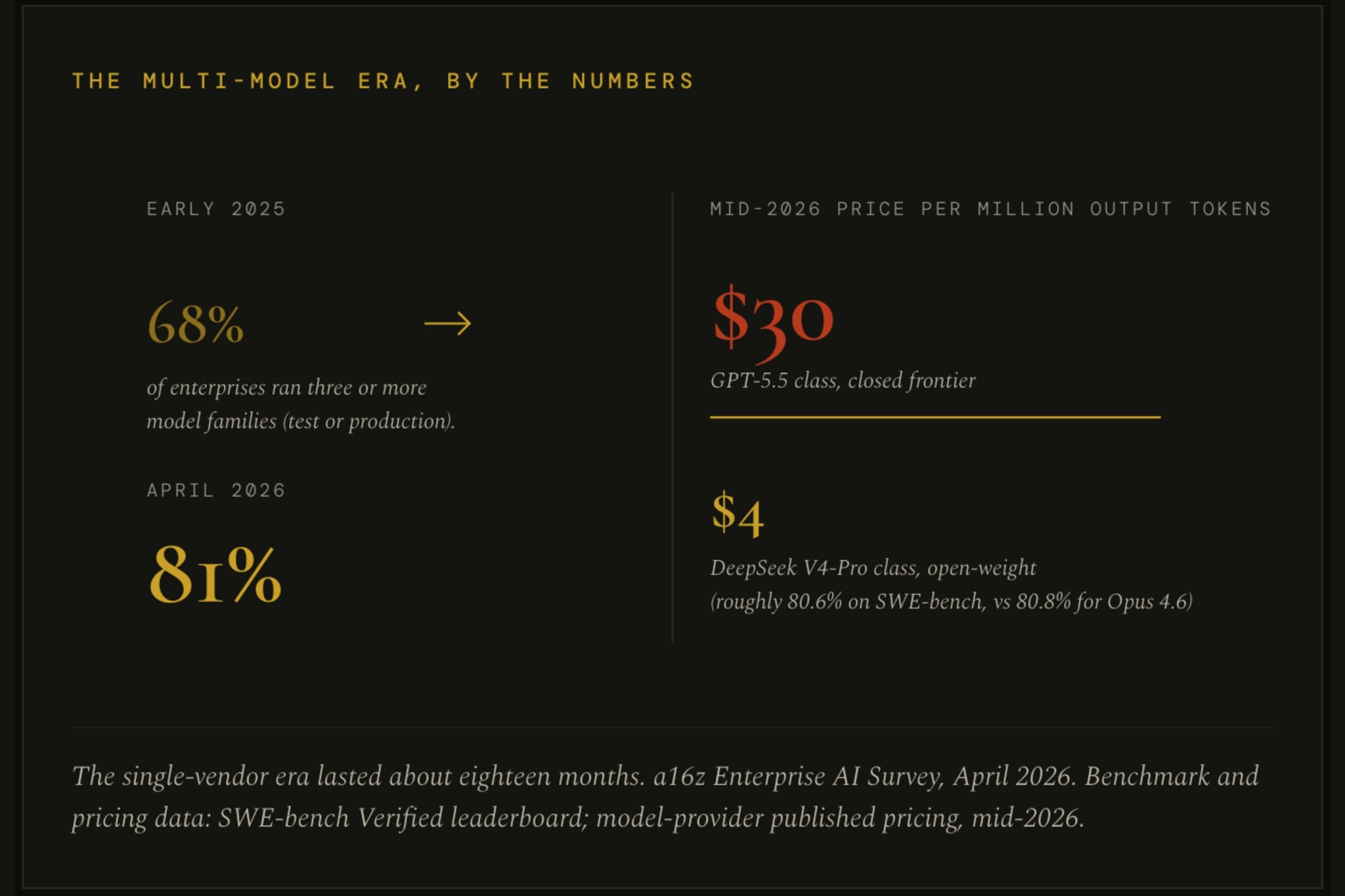
In a Fortune essay, Collective[i] argues companies should treat AI models as swappable commodities and own the…
Nscale is asking US investors for a roughly $30 billion valuation on first-half 2026 revenue of $140.6 million…

Deepgram said Thursday it is acquiring Daily, maker of the popular open-source Pipecat framework for managing…