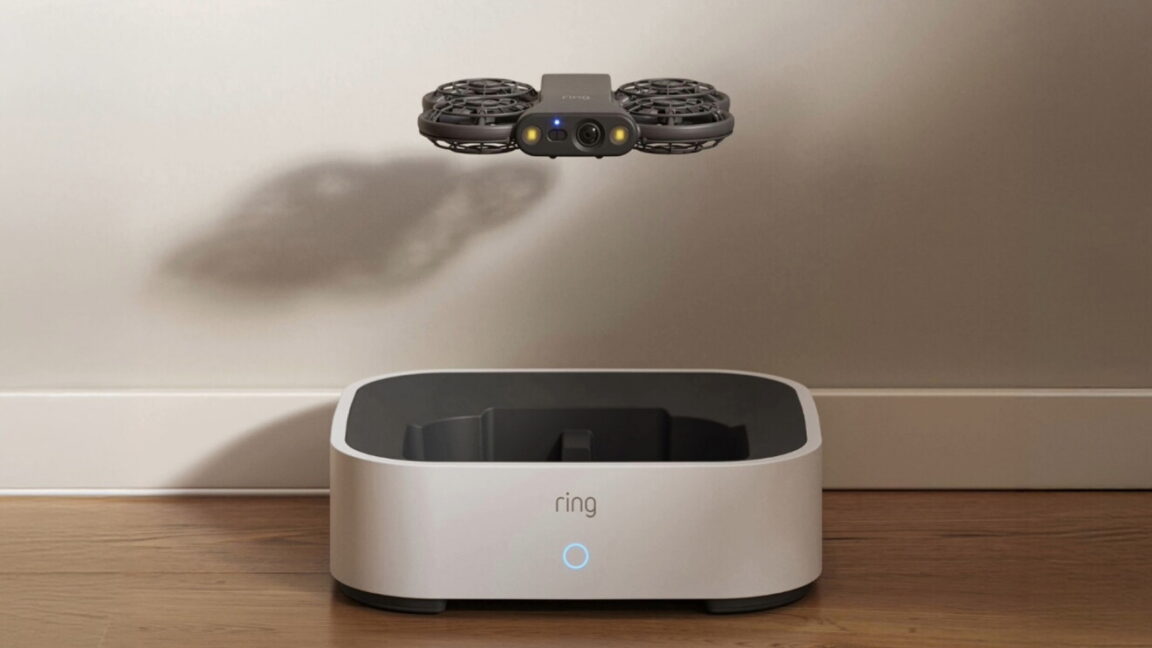
What happened
Amazon introduced the Ring Drone Cam, a flying 2K camera that rotates 360 degrees but flies only 8 minutes per charge, and the $1,000 Ring Rover Cam, a wheeled indoor security robot shipping December 16, 2026.
Why it matters
Amazon is pitching these devices as a new "autonomous" way to check on homes and businesses, but the fine print limits them — the drone struggles near reflective or blank surfaces, and the Rover cannot climb stairs or handle curved edges or significant floor transitions.
What to watch
The Ring Rover Cam is available for preorder now and scheduled to start shipping to customers on December 16, 2026.
WHO IT HITSBusinesses considering automated security patrols may weigh the Ring Rover Cam's $1,000 price against its single-floor, indoor-only limits, while homeowners get a short-flight drone option for remote checks.
Summaries like this, every morning.
Amazon's new Ring devices extend its security lineup beyond fixed cameras into moving hardware. The Ring Drone Cam is presented as an autonomous way to check on a home, controllable from the Alexa Home Map that shows a customer's Amazon-linked devices. However, the product description sets clear boundaries: 8 minutes of flight time on a new, fully-charged battery under controlled conditions, and possible degraded performance around polished marble, wet tile, featureless walls, and glass.
The Ring Rover Cam, priced at $1,000, is described as an autonomous security robot designed for business. Amazon says it was inspired by customer feedback on the invite-only Amazon Astro home robot. The Rover records up to 4K video and stores footage in the cloud for up to 180 days. Yet it is limited to a single-floor indoor environment because it cannot climb stairs, and Amazon warns it is not compatible with curved edges, sunken areas, flooring transitions greater than 1.375 inches, and black glossy floors.
Together, the two products show Amazon pushing Ring into autonomous patrol and aerial inspection, while the stated caveats suggest the technology is still constrained by battery life and physical terrain.
Pick your industry and the AI tools you use, and get news related to your work every day.
Free · 30 seconds with Google · unsubscribe anytimeWhat is AIToday? →
Ask AI anything about this article. The AI reads this article, earlier AIToday articles, and Wikipedia, and cites its sources. Q&As are published on this page for other readers too.
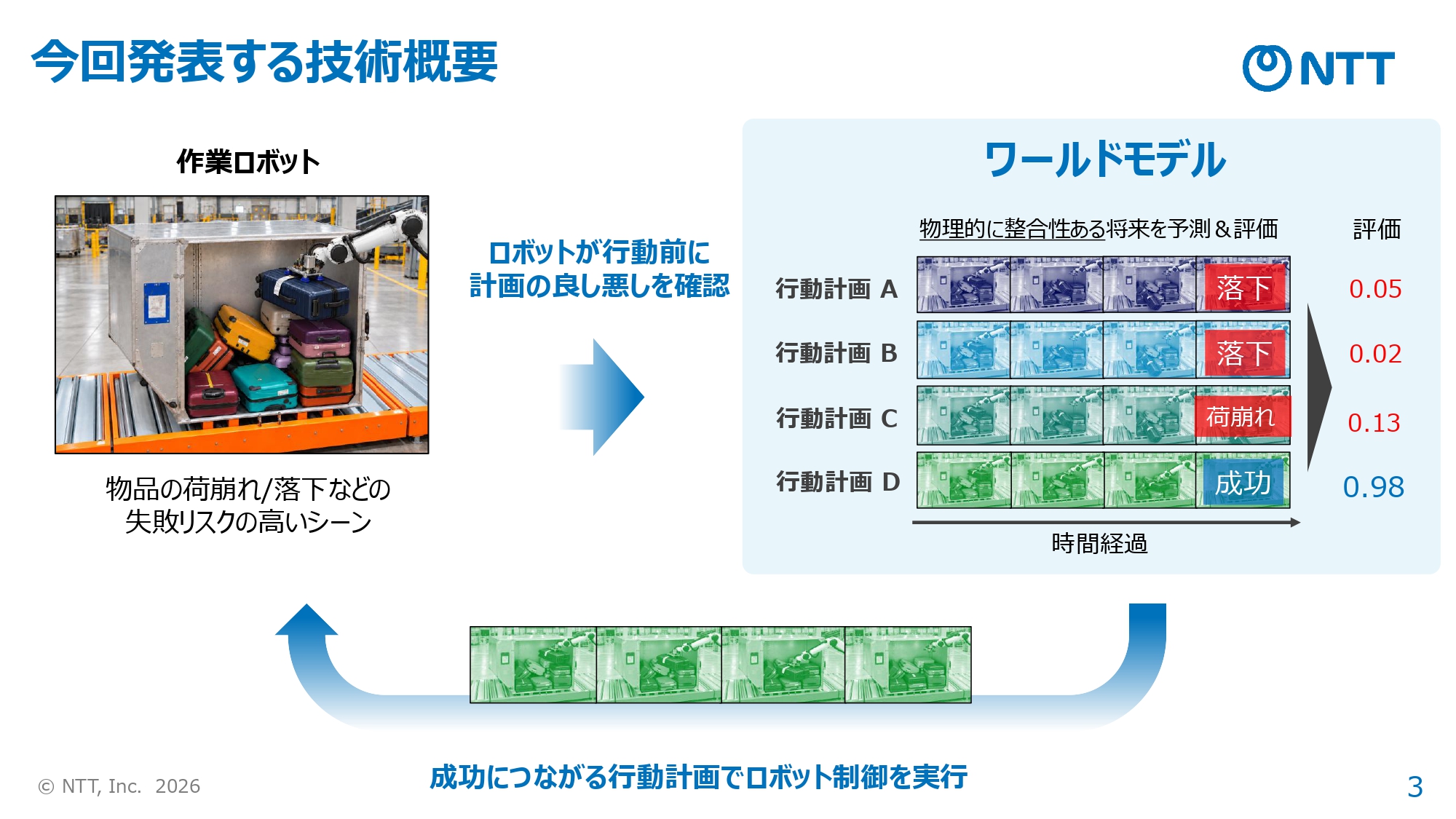
NTT unveiled a physical AI that combines its NTT World Model with a 'physics control adapter' to score action…
KDDI announced on Oct 27 the launch of ELYZA Robotics, aiming to deploy 1,000+ robots by fiscal 2030

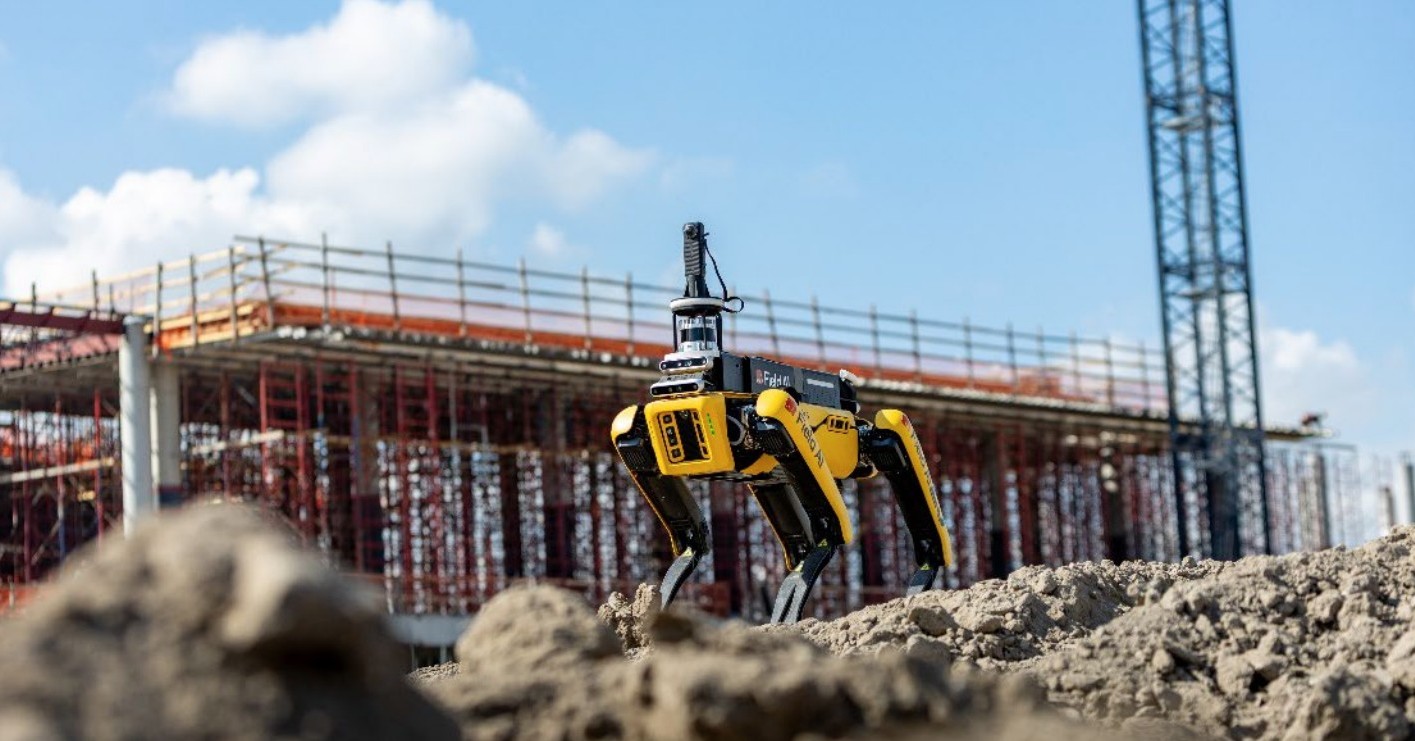
Kajima announced on November 5, 2026 that it has fully introduced fully autonomous mobile robots equipped with…
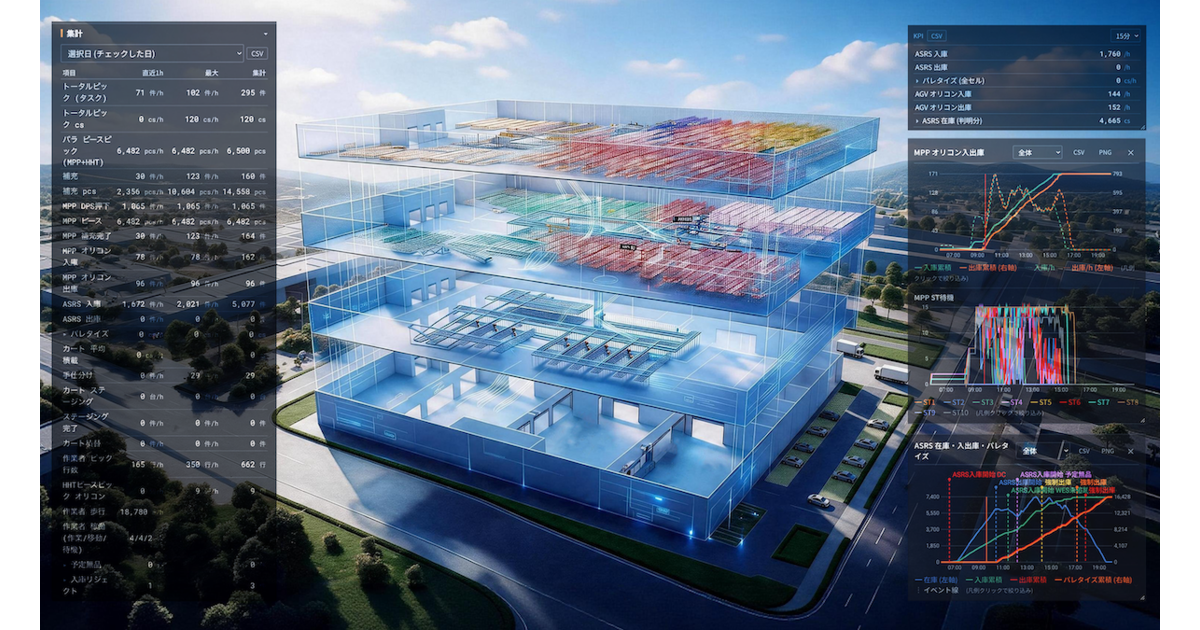
Aeon is building AEON Kawaguchi Higashi XD, a next-generation automated model center that introduces physical-…
ugo has outsourced production of its next-generation inspection AI robots — machines that patrol factories in…

Intel and Altera announced a collaboration to develop a flexible, real-time sensor bridge for Edge & Physical…