
What happened
Plus One Robotics CEO Erik Nieves told Robotics & Automation News that a robot should be judged on its worst day — how it behaves in front of something it has never encountered — comparing human supervision to pilots who stay in the cockpit while the autopilot flies.
Why it matters
If AI still struggles to recognise the limits of its own competence, the human backstop has to be engineered as carefully as the gripper — meaning who answers a stuck robot, with what information and after what training must be written down and rehearsed.
Summaries like this, every morning.
Supervised autonomy is a human-side design problem, not a model problem. A depalletising cell on a night shift, faced with reflective film the vision system has never seen, shows how what happens next depends on decisions taken months earlier. Nieves compared the role of human supervision to pilots who stay in the cockpit while the autopilot flies — a comparison that is useful because aviation wrote down, rehearsed and audited who takes control, when, with which information and after what training. Nieves warned against selling home and care robots as autonomous before they can cope with unpredictable human settings, and warehouses have an advantage: they can be open about supervision without losing face. A company-commissioned survey about humanoids, quoted in the same interview, found 26 percent of Americans asked named the lack of human judgement as their main concern, with discomfort highest for robots watching children at 52 percent, followed by surgery at 46 percent and caring for elderly people at 39 percent; the message travels to warehouses. The Italian standard UNI 11621-8:2026, published in April 2026, describes twelve professional role profiles for artificial intelligence, and Article 4 of the EU AI Act, Regulation (EU) 2024/1689 as amended by Regulation (EU) 2026/1744, asks providers and deployers to take measures to develop the AI literacy of their staff.
Pick your industry and the AI tools you use, and get news related to your work every day.
Free · 30 seconds with Google · unsubscribe anytimeWhat is AIToday? →
Ask AI anything about this article. The AI reads this article, earlier AIToday articles, and Wikipedia, and cites its sources. Q&As are published on this page for other readers too.
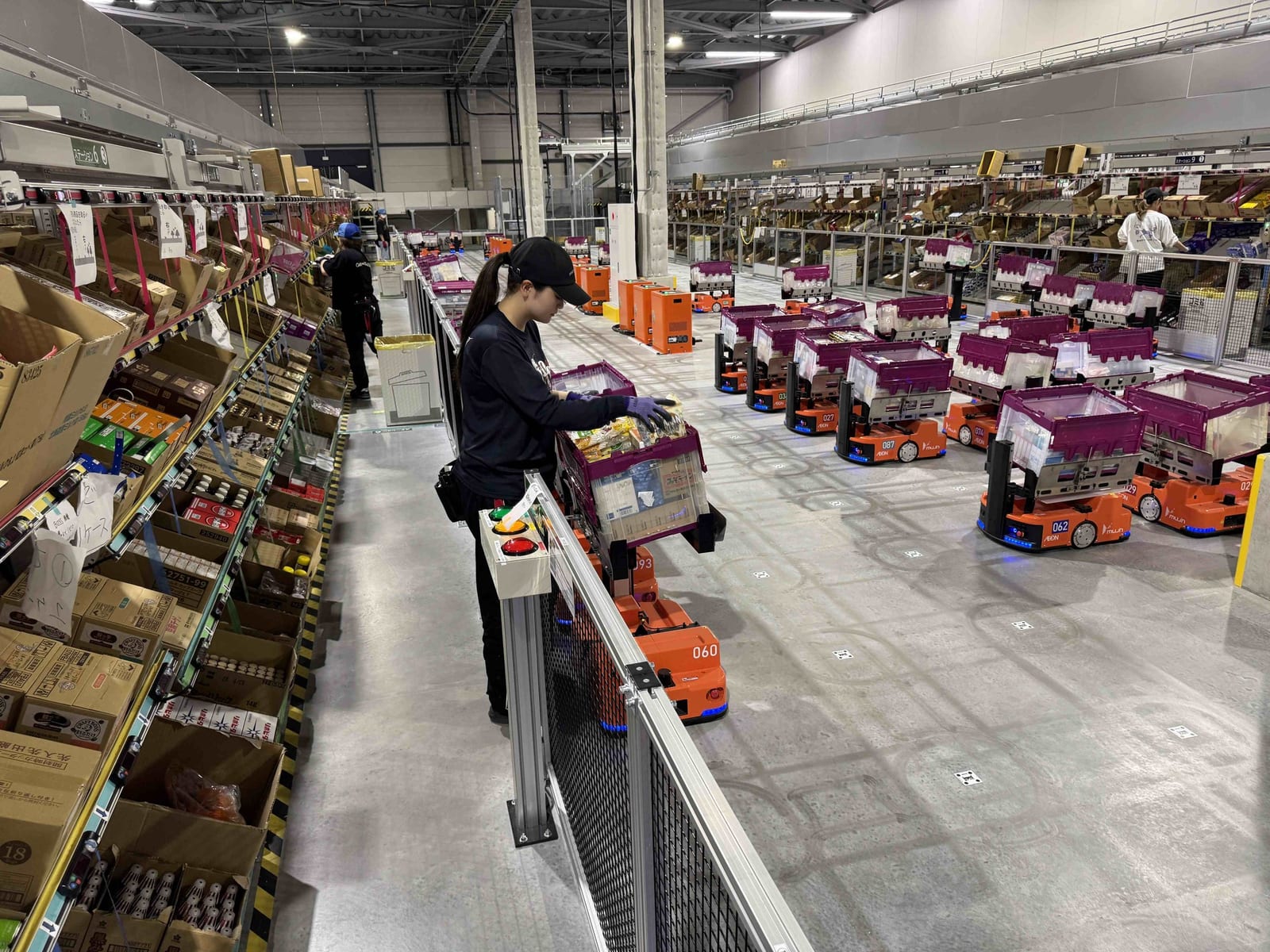
Aeon, Aeon Global SCM and Mujin began full operations at Aeon Kawaguchi-Higashi XD on October 29, the first Ae…
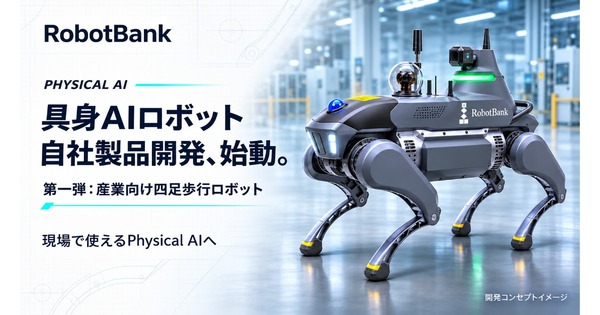
RobotBank said on November 9, 2026 it will build physical-AI robots under its own brand, beginning with a quad…
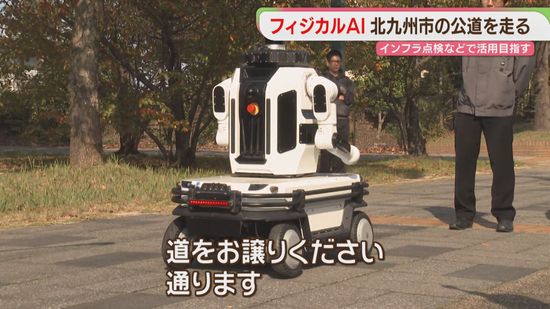
The city's demonstration, running since October 26 in Yahatahigashi Ward's Tobata district, checks whether GAM…
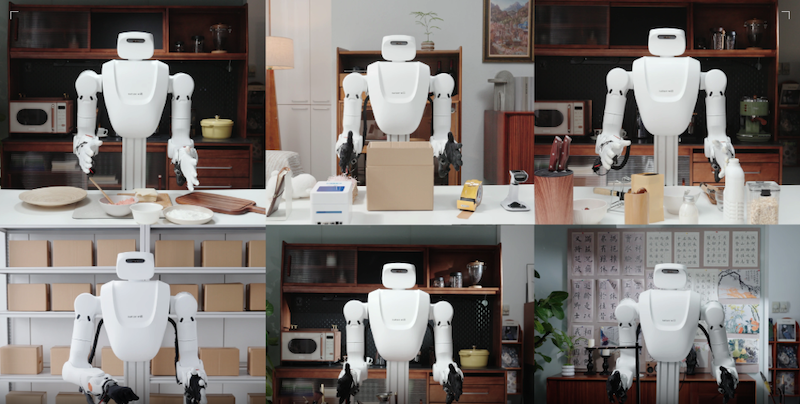
Nature Will announced Natura-1, a 50-billion-parameter mixture-of-experts model trained on over 1 million hour…
Xinhua News Agency unveiled two bionic humanoid robot news anchors, Xinyu and Xinyan, developed with UBTECH, o…
EDGE Sound Research secured an additional $2 million in funding led by Stormbreaker Ventures, taking its total…