What happened
A 25-author team spanning HKUST(GZ), Fudan, Stanford and Microsoft Research released OpenDS-World, where GPT-6 Astra hit 39.0% accuracy on 200 live-web tasks versus 21.1% for humans per attempt.
Why it matters
Testing on the live web removes the memorization advantage of snapshot benchmarks, and at 39.0% the top model already clears the human per-attempt rate on real-time research — apparently resetting the baseline for this agent class.
WHO IT HITSAI research teams and benchmark designers who evaluate deep-search agents now have a live-web standard where the leading model already beats humans per attempt; builders of search agents may face pressure to address tool coordination and long-horizon search management.
Summaries like this, every morning.
The team behind OpenDS-World spans HKUST(GZ), Fudan University, Stanford, and Microsoft Research — a 25-author collaboration. Their benchmark covers 200 tasks across eight domains: culture, daily life, science, economy, history, nature, society, and technology. All twelve frontier models and the human participants used shared tools and the same search budget, so the comparison holds conditions constant.
The benchmark finds substantial variation in research strategies across models. That variation, combined with the persistent failure modes of tool coordination and long-horizon search management, suggests the gap between the leading 39.0% and the human 21.1% per-attempt rate is not the whole story — the remaining errors cluster around how agents manage multi-step searches rather than raw knowledge. Because tasks run on the live web, results may shift as the web itself changes, a property snapshot benchmarks do not have.
Pick your industry and the AI tools you use, and get news related to your work every day.
Free · 30 seconds with Google · unsubscribe anytimeWhat is AIToday? →
Ask AI anything about this article. The AI reads this article, earlier AIToday articles, and Wikipedia, and cites its sources. Q&As are published on this page for other readers too.
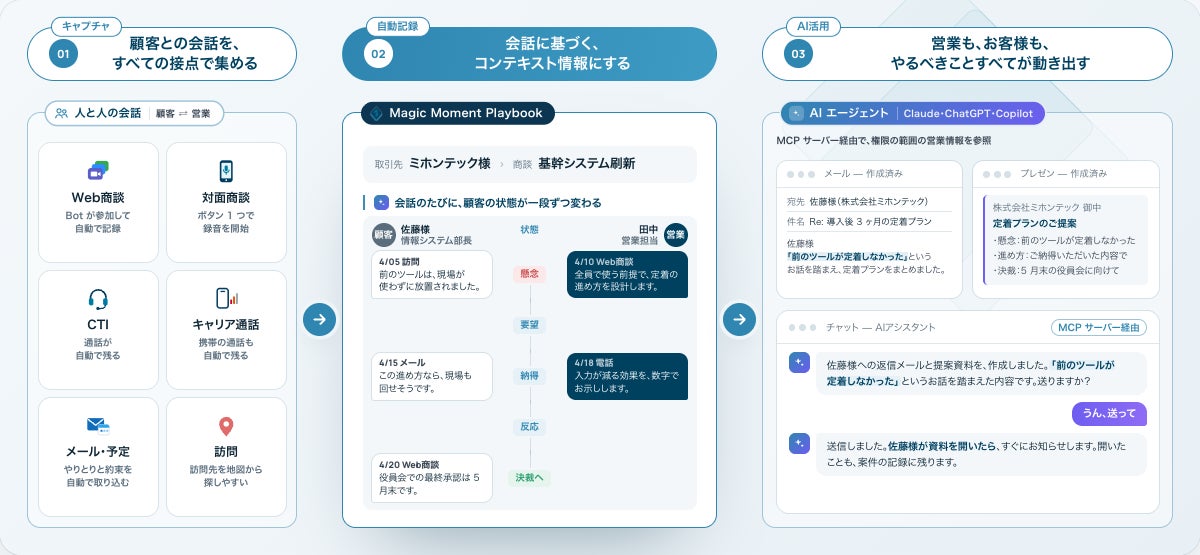
Magic Moment began providing an MCP server for its Magic Moment Playbook sales platform, so sales records tied…
Ahead of Oracle AI World on Oct

World, co-founded by Sam Altman, this week announced tools that let people link their proof of humanity to an…
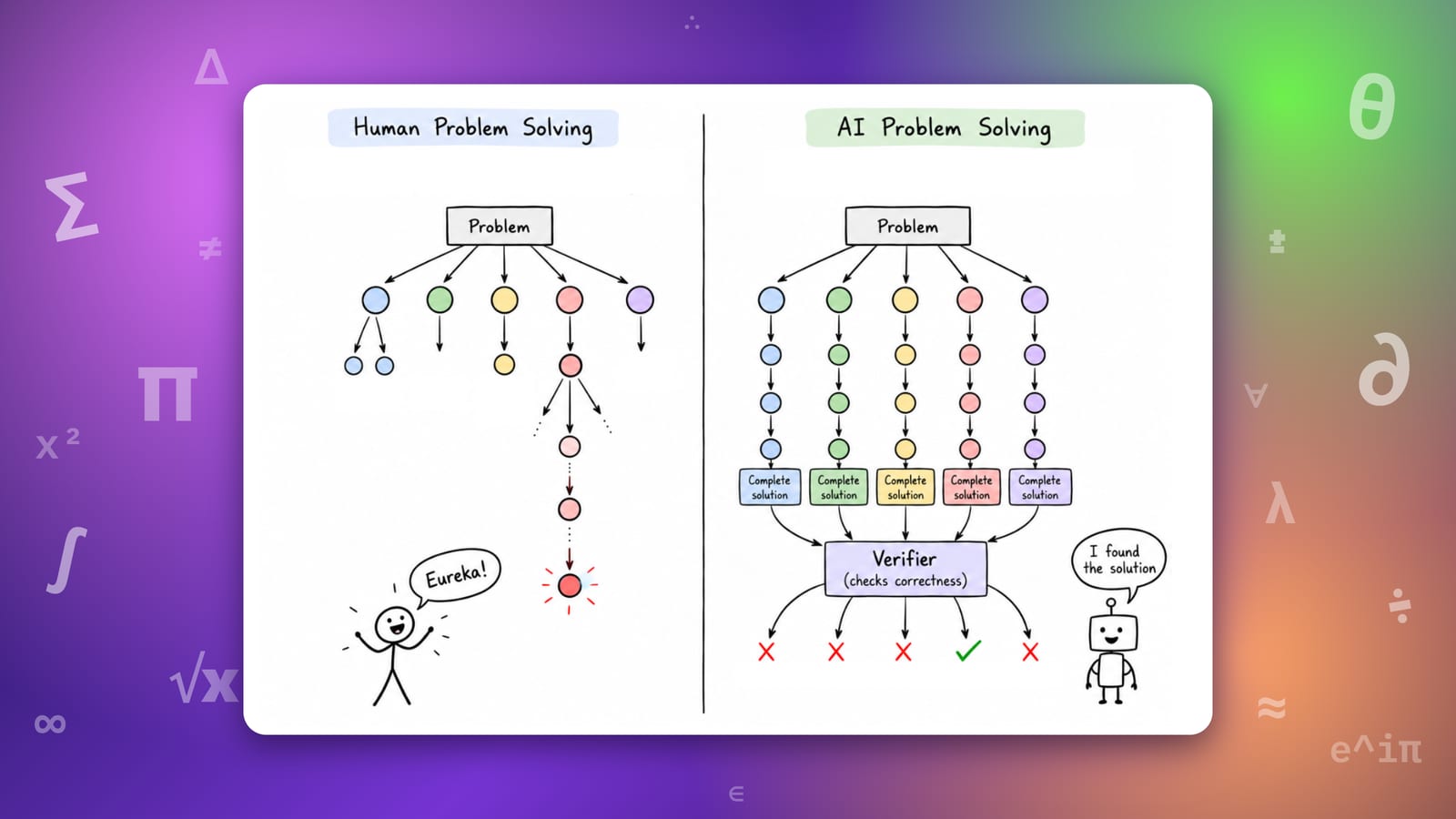
In commentary on the unit-distance proof, Jacob Tsimerman, recently hired by OpenAI, said AI's edge is that it…
METR and Redwood Research spent three weeks on-site at OpenAI and found an estimated 6 to 25 percent of intern…
Anthropic says its unreleased research model outperforms Mythos 5.1 in capability and alignment, halting ongoi…