What happened
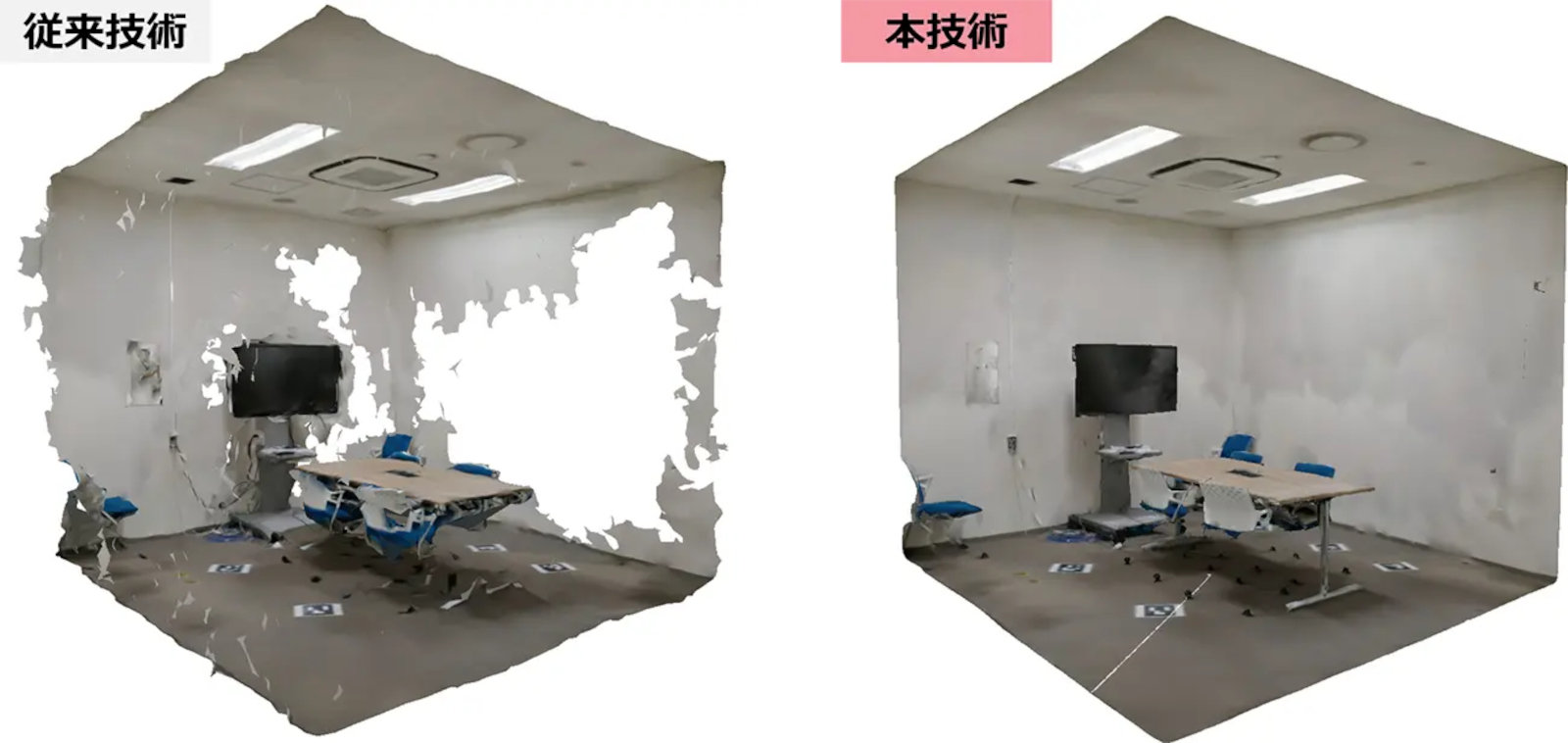
Ricoh's AI fills in gaps in 3D models built from 360-degree camera footage — even in feature-poor spaces like white walls — and Tokyo Electric Power Grid has begun using it in building maintenance.
Why it matters
Ricoh says its defect rate beats major commercial 360-degree-only tools, and models now take about half a day versus several days with laser scanners — so building changes can reach the digital twin faster.
WHO IT HITSFacility and building-maintenance teams at utilities and other asset-heavy operators stand to cut on-site inspection trips and speed up sharing of building conditions, per the companies' description of the deployment.
Summaries like this, every morning.
Ricoh's pitch rests on a specific pain point in 3D digital twins: 360-degree cameras are cheap and fast to use, but they leave holes in the model wherever a surface lacks visual texture. Ricoh says its AI looks at how walls, floors and the room as a whole connect, and fills those gaps — and that in a defect-rate comparison against major commercial tools that use only 360-degree footage, it achieved world-leading high-definition generation. The time saving is the other half of the story: laser scanners took several days from shooting to model, while Ricoh says its upload-and-go workflow takes about half a day.
Tokyo Electric Power Grid's involvement gives the technology a live utility customer. The company started proof-of-concept digital-twin work in June 2026, mainly on office buildings, and has now plugged Ricoh's generation step into that effort. Ricoh supplies the 3D model generation technology, while Ricoh Japan provides RICOH Digital Twin Workplace and support for adoption and use. The result, as the companies describe it, is a way to check building conditions and related information without going on site, and to keep the model updated as construction or equipment changes alter the real space.
Ricoh's longer-term plan goes beyond buildings. The group says it aims to integrate 3D spatial data with equipment and operational data so AI can understand the on-site environment and assist work, with future physical AI deployment in view. It plans to expand from the power sector into construction, manufacturing and facility management.
Pick your industry and the AI tools you use, and get news related to your work every day.
Free · 30 seconds with Google · unsubscribe anytimeWhat is AIToday? →
Ask AI anything about this article. The AI reads this article, earlier AIToday articles, and Wikipedia, and cites its sources. Q&As are published on this page for other readers too.
Viewers criticized the music video for the band Mrs.'s song "シンデレラ" as feeling creepily AI-made and resembling…

Reuters interviewed 15 model-agency directors and reviewed over a dozen confidential contracts from brands inc…

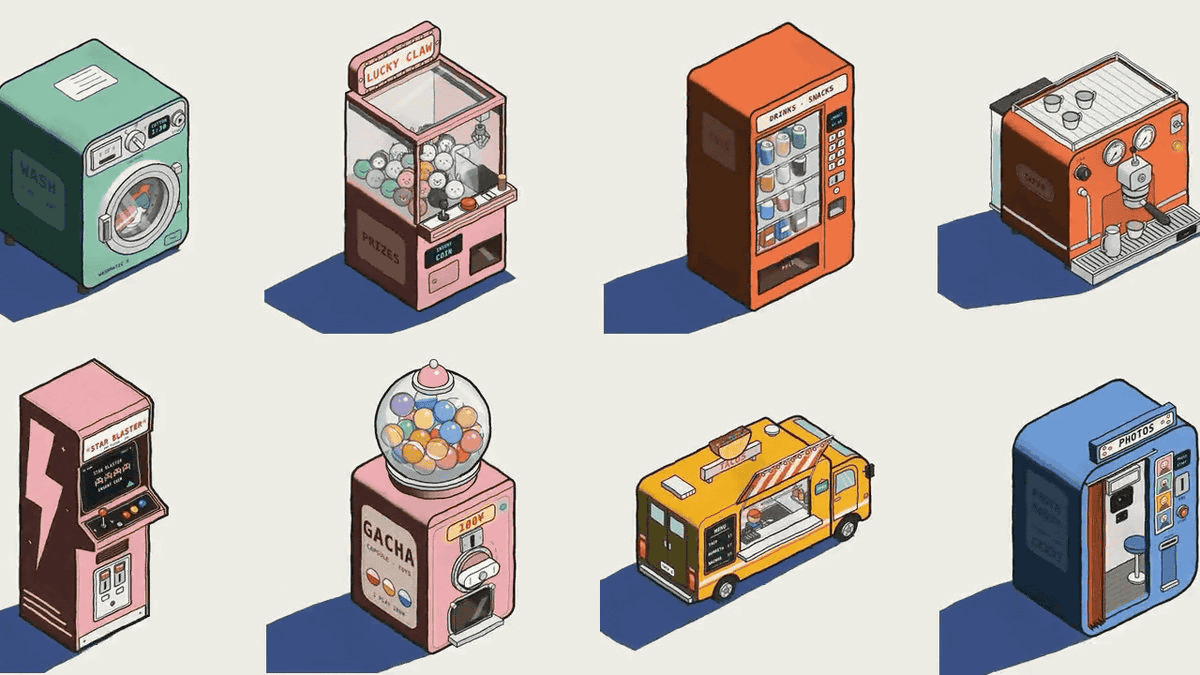
April Zhu released Colorfigures, a Claude Code skill that generates hand-drawn-style visuals of everyday objec…
A Qiita write-up describes a 'Dynamic Vector Router & General Models System' that flattens 28x28 images into L…

AWS released a sample SageMaker SDK v3 pipeline that trains an anomaly detector and defect classifier per came…
The explainer lays out text guidance in three steps — CLIP or T5 encodes the prompt, cross-attention injects i…