Rain, a stablecoin payments company, has formed the Agentic Payments Alliance with major payment networks including Visa and Mastercard to establish standards for how AI agents can make payments on users' behalf.
McKinsey estimates the market could reach between $3 trillion and $5 trillion by 2030, but infrastructure questions around agent authorization, fraud detection, and rewards programs remain unsettled.
The alliance, announced Tuesday with founding members also including Fiserv, Circle, Solana, and Remitly, aims to develop shared standards and regulatory frameworks before the market solidifies around fragmented company-specific approaches.
What happened
Rain, a stablecoin payments infrastructure company, announced the Agentic Payments Alliance on Tuesday (Aug. 18), with founding members including Visa, Mastercard, Fiserv, Circle, Solana, and Remitly. The coalition aims to establish standards and infrastructure for AI agents to make payments on behalf of users.
Why it matters
McKinsey projects between $3 trillion and $5 trillion in global agentic AI commerce by 2030, but the industry still lacks agreed-upon standards for how agents are authorized, how fraud is detected, and how loyalty programs work. The alliance brings together payment platforms, regulators, and innovators to shape these rules early, rather than letting each company decide in isolation. Rain CEO Farooq Malik emphasized that "no single company should get to decide how agents transact on someone's behalf."
What to watch
The alliance is structured as a working coalition run collectively by its founding members rather than owned by any one company. Early work will include shared research, frameworks for AI agent identity and authorization, and regulatory advocacy. Visa CEO Ryan McInerney stated on an earnings call that "agentic commerce is a when, not an if," and that Visa is building the necessary products and protocols.
Ask the AI about this article →
The Agentic Payments Alliance represents an industry effort to prevent fragmentation in a market segment that does not yet have established standards. As McKinsey's projections of between $3 trillion and $5 trillion in global agentic AI commerce by 2030 signal, the scale at stake is immense, yet critical infrastructure questions remain unresolved. Rain's decision to convene Visa, Mastercard, and other payment platforms, infrastructure providers, and blockchain networks reflects a recognition that allowing each company to build its own agent authorization and fraud-detection frameworks in isolation could result in inefficiency, security vulnerabilities, and regulatory friction.
Rain's own product offerings—the Agent Control Layer and Scoped Cards—position the company as a thought leader that has already spent "the last year building toward this moment." By structuring the alliance as a collectively governed body rather than a company-owned initiative, Rain and its co-founders have created a framework in which competing and complementary players can contribute without ceding control. Visa's public commitment—CEO Ryan McInerney's statement that "agentic commerce is a when, not an if"—signals that major payment networks view this not as speculative but as inevitable infrastructure they must participate in shaping.
For example, today's edition would include:
AI-summarized, only the topics you pick — one digest a day via Email, Slack, or Discord.
Free · takes 30 seconds · unsubscribe anytimeWhat is AIToday? →
Ask AI anything about this article. Q&As are published on this page for other readers too.
Aranya Inc., a startup founded last year, launched today with $11 million in funding

CBTS Technology Solutions LLC launched Forge Agents, a platform that turns a plain-language job description in…

Phonely Ltd. launched Alma, a large language AI model built for voice agents and trained on over 10 million re…

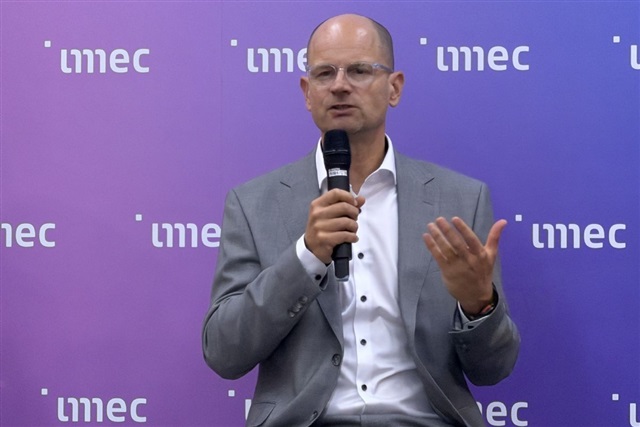
Imec CEO Patrick Vandenameele said at SEMICON Taiwan 2026 that the Belgian research center is broadening its c…
Alphabet's AI Overviews now reach over 2.5 billion monthly users through Google Search, and its ad business ge…

Sarah O’Connor's book 'We Are Not Machines' explores how mechanization and AI have transformed the workforce…