
What happened
VivaTech, Europe's largest startup conference, drew 180,000 attendees in Paris and surfaced three urgent concerns: advanced AI models like Anthropic's Mythos and OpenAI's GPT-5.5 Cyber can now find vulnerabilities and generate working exploits at speed and scale; Europe faces a deepening dependence on U.S.-controlled AI infrastructure after the U.S. cut off access to Anthropic's frontier models; and enterprise customers are shifting from chasing AI hype to demanding concrete business cases and return on investment.
Why it matters
The window where defenders have better AI tools than attackers may close quickly, creating a security gap as criminal groups and nation-state actors gain access before organizations can patch systems. Europe's vulnerability to U.S. policy decisions (exemplified by the sudden Anthropic cutoff) has made AI sovereignty—control over chips, data centers, and deployment—a pressing political priority for governments and companies. For businesses, the shift toward ROI scrutiny means AI budgets will be evaluated on whether they deliver measurable value, not just technological capability.
What to watch
OpenAI expanded its Daybreak initiative by pairing GPT-5.5 Cyber with an open-source patching effort called Patch the Planet, working with firms including Cloudflare, Cisco, and CrowdStrike to help organizations find and fix vulnerabilities. Anthropic and OpenAI have both staggered releases of their advanced cyber models to give defenders initial access before broader availability. The debate over sovereignty revealed diverging views: some executives like Cohere's CEO call for domestically controlled infrastructure, while Amazon's Peter DeSantis argues that fully sovereign infrastructure is unrealistic and a pragmatic approach focusing on data residency and governance is more practical.
Summaries like this, in your inbox every morning.
Pick your industry and the AI tools you use, and get news related to your work every day.
Free · 30 seconds with Google · unsubscribe anytimeWhat is AIToday? →
Ask AI anything about this article. The AI reads this article, earlier AIToday articles, and Wikipedia, and cites its sources. Q&As are published on this page for other readers too.
In Q2, billionaires or their funds sold six 'Magnificent Seven' AI stocks

Nvidia was rising early Friday, even as the wider chip sector kept falling, Barron's reported
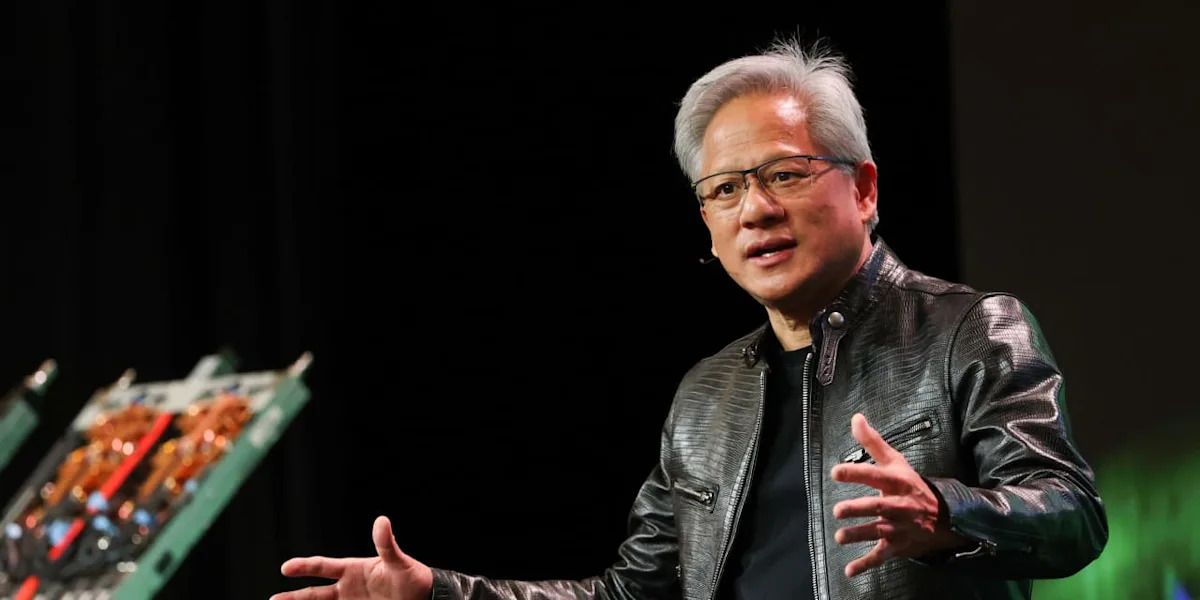
TSMC reported about NT$763.1b in Q3 net profit and confirmed that demand for advanced processors is running ah…

Nvidia-backed CoreWeave steadied Thursday after a sharp slump, as investors worried about the debt financing b…
CoreWeave, a fast-growing Nvidia-backed cloud provider, saw its stock and bond prices fall sharply in a sell-o…

Broadcom introduced VMware HyperArmor for VMware Cloud Foundation and showcased high speed AI networking with…