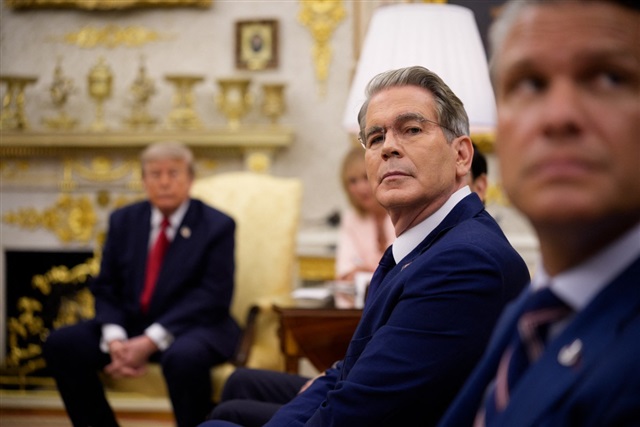
The United States and China are preparing to hold their first official artificial intelligence dialogue under President Donald Trump's administration, marking a significant diplomatic step after years of tech tensions. The talks are expected to address frontier AI models, intellectual property theft, and open-source AI risks, though details on specific outcomes remain limited in the current reporting.
Summaries like this, in your inbox every morning.
Sign up free →What happened
The US and China are preparing to hold their first official artificial intelligence dialogue under President Donald Trump, marking a notable diplomatic milestone after years of escalating technology tensions.
Why it matters
The talks represent a shift in US-China relations on technology policy, suggesting potential engagement on frontier AI models, intellectual property theft, and open-source risks—areas that have been sources of friction between the two countries.
What to watch
The dialogue is expected to address how the two countries will manage AI development, including concerns around frontier models, IP protection, and the risks posed by open-source AI projects.
The United States and China are preparing to hold their first official artificial intelligence dialogue under President Donald Trump, according to reports of coordinated diplomatic preparations. This marks a notable diplomatic milestone following years of intensifying technology tensions between the two countries. The significance of the meeting extends beyond the symbolic value of formal engagement; the talks are expected to confront substantive issues including frontier AI models—the most advanced systems currently in development—intellectual property theft concerns, and the risks associated with open-source AI projects. These topics represent areas of deep concern for both nations: the US has long worried about Chinese acquisition of advanced AI technologies and protection of intellectual property, while China faces international scrutiny over how open-source AI systems are developed and distributed. The dialogue signals a shift toward direct negotiation on AI governance rather than reliance on sanctions, export controls, or unilateral technology restrictions. The exact timing, venue, and expected outcomes of the talks have not yet been formally announced, but the groundwork being laid suggests both governments view AI policy as an area where diplomatic channels may help manage competition and reduce misunderstandings.
The announcement of formal US-China AI talks under the Trump administration represents a departure from the previous period of escalating technology tensions between the two nations. By establishing an official dialogue channel, both countries signal a willingness to engage on one of the most strategically sensitive areas of modern technology competition. The focus on frontier models, IP protection, and open-source risks reflects the core anxieties each side holds: the US concerns about Chinese access to cutting-edge AI capabilities and IP theft, while China faces pressures around the global distribution of open-source AI tools that could affect its own technology sovereignty. Whether such talks can yield concrete agreements or merely serve as a communication forum remains to be seen, but the diplomatic gesture itself acknowledges that AI governance cannot be managed through unilateral action alone.
AI-summarized, only the topics you pick — one digest a day via Email, Slack, or Discord.
Free · takes 30 seconds · unsubscribe anytime
No comments yet. Be the first to share your thoughts!
Log in to join the discussion


Get curated AI news from 200+ sources delivered daily to your inbox. Free to use.
Get Started FreeFree · takes 30 seconds · unsubscribe anytime
1 minute a day. The AI essentials.
200+ sources · Email / LINE / Slack