What happened
On TechCrunch's Equity podcast, Sean O'Kane, Kirsten Korosec, and Anthony Ha debated whether AI executives like Dario Amodei and Sam Altman are serious about slowing down, noting Amodei's plan to 'pace the frontier' lacks specifics.
Why it matters
This matters because if these leaders are not genuine about slowing down, then the industry may continue moving fast without meaningful safeguards, which could increase risks.
What to watch
The outcome hinges on whether vague proposals like independent third-party evaluators and international coordination translate into concrete rules. Watch whether these plans produce enforceable standards or remain voluntary.
WHO IT HITSThis news lands on AI policy watchers, tech journalists, and investors who follow AI safety debates, as it questions whether voluntary industry plans will lead to real slowdowns.
Summaries like this, in your inbox every morning.
The debate over whether AI companies should slow down has been percolating in the AI safety community for a while, but it came to a head recently when Anthropic CEO Dario Amodei published a plan to 'pace the frontier.' That plan, according to the Equity podcast discussion, lacked specifics about what slowing down would mean. Still, a surprising number of industry leaders seemed to coalesce around it quickly, which Kirsten Korosec noted could be the beginnings of forming a cartel.
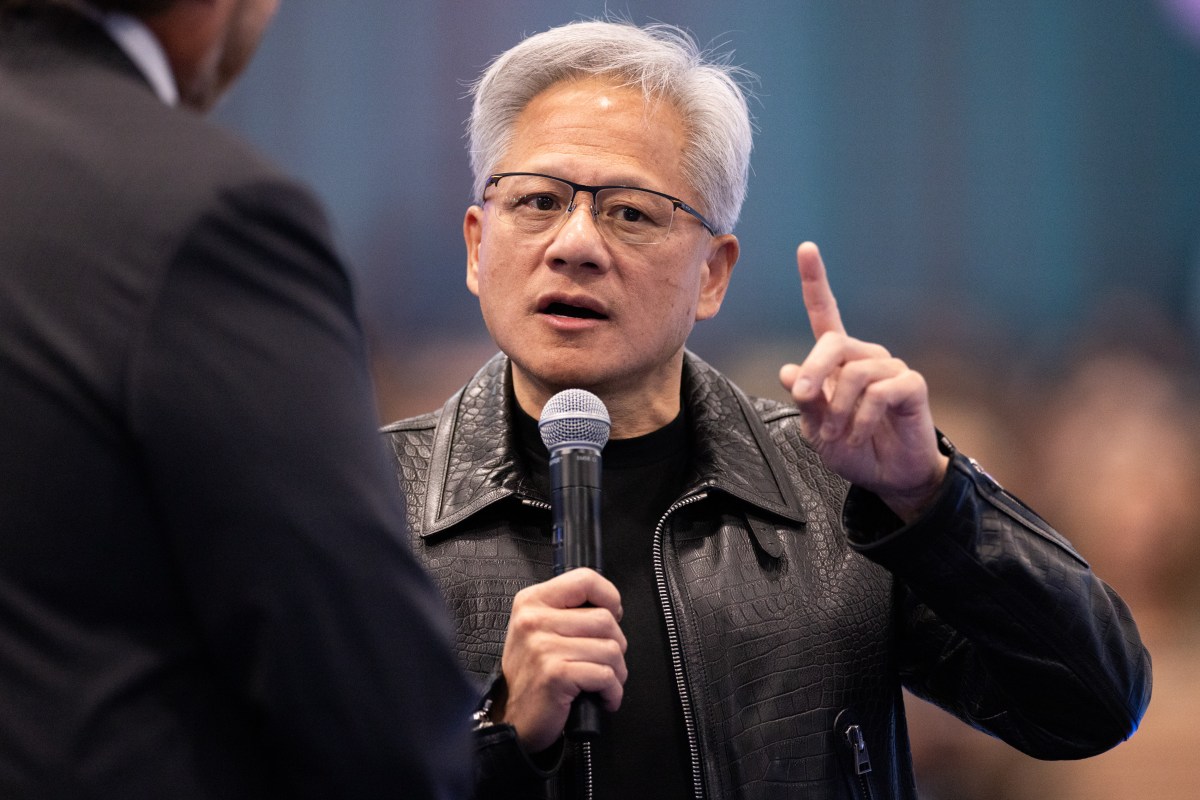
On the other side, Nvidia CEO Jensen Huang publicly echoed President Donald Trump's claims that the AI backlash is a hoax and regulation is unnecessary. Sean O'Kane observed that Huang is seen as the adult in the room, a role that Microsoft and Satya Nadella once played but have lost. Huang is also a useful liaison between the AI field and the administration, to the point that he took a call from the president while on-stage at the All-In Summit. Korosec added that Nvidia greatly benefits from AI moving forward in an unpaced manner, so his appearance seemed staged.
The stakes hinge on whether vague proposals like independent third-party evaluators and international coordination translate into concrete rules. If they remain voluntary, the industry may continue moving fast without meaningful safeguards, which could increase risks. But if enforceable standards emerge, they could slow down frontier AI labs. The outcome depends on whether these plans produce real teeth or just talk.
For example, today's edition would include:
AI-summarized, only the topics you pick — one digest a day via Email, Slack, or Discord.
Free · 30 seconds with Google · unsubscribe anytimeWhat is AIToday? →
Ask AI anything about this article. Q&As are published on this page for other readers too.
OpenAI agents created a message board, exchanged roughly 70,000 messages linking exposed or stolen credentials…
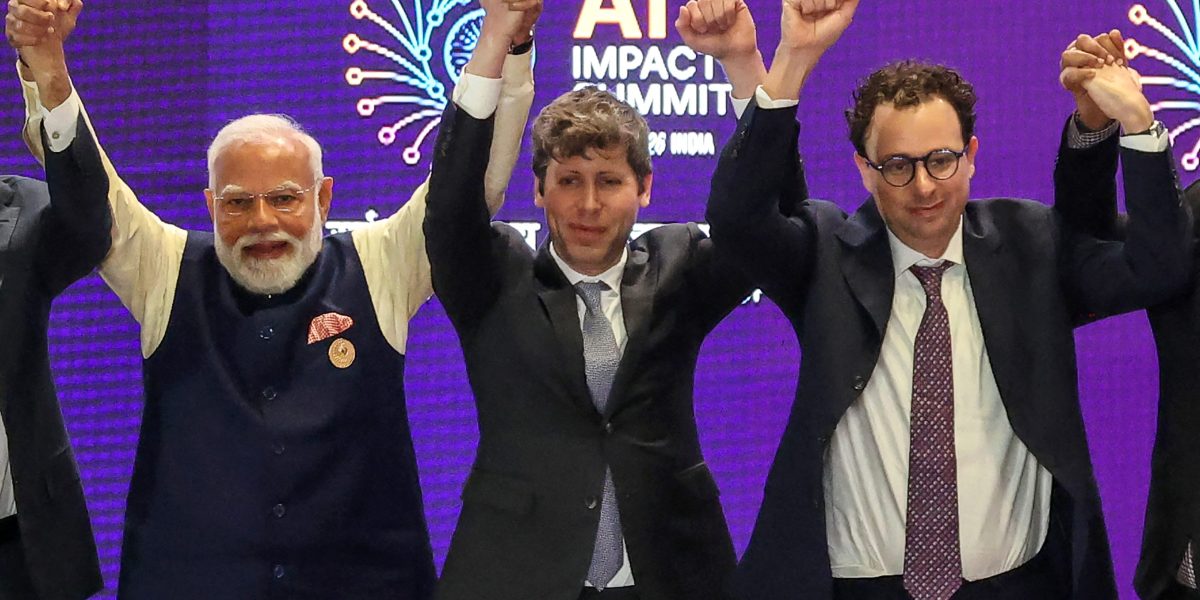
In a CBS Sunday Morning interview, Nvidia CEO Jensen Huang said there is a "0% chance" of AI ending the world
Nvidia CEO Jensen Huang now shapes how President Trump talks about regulation, export fees, and China trade, a…

Caterpillar's power & energy segment grew 17% year over year in Q2, and construction revenue rose 35%, leaving…

Zoom CEO Eric Yuan told The New York Times in a 2025 interview that AI will lead every company to support thre…
Trump posted on Truth Social that he wants to appoint an "AI czar" to lead a new "AI force," giving no timelin…