What happened
Alibaba's Qwen AI team released Qwen-Image-2.1, an open-weight model with a 7-billion-parameter visual component that runs on capable consumer GPUs like a 3090. It generates and edits transparent (RGBA) images and handles up to ten reference images at once.
Why it matters
The team claims it beats most closed models on Qwen's own benchmark, though independent benchmarks are still pending. If verified, it suggests image generation and editing quality may be achievable on hardware creative professionals already own, rather than only through cloud-based closed services.
What to watch
The research license bars commercial use, so business adoption hinges on whether Qwen grants a separate license. Independent benchmark results will show whether the claim holds beyond Qwen's internal testing.
WHO IT HITSBusiness users who want to generate or edit images in-house must apply to Qwen for a separate commercial license, since the model's research license bars commercial use. Creative professionals with capable consumer GPUs like a 3090 may be able to run the model locally for non-commercial experimentation.
Summaries like this, in your inbox every morning.
Qwen-Image-2.1 is Alibaba's Qwen team's latest open-weight release, following the pattern of offering capable models that run on consumer hardware. The model's visual generation component has just 7 billion parameters, yet the team claims it beats most closed models on their internal benchmark. The article notes that independent benchmarks are still pending, so the claim has not been externally verified.
The model's architecture includes changes and KV cache reuse that Qwen says speed up inference, especially when working with multiple reference images. It supports up to ten reference images at once, enabling tasks like assembling group portraits from individual photos, virtual try-ons, and room design. It also natively generates and edits transparent images, allowing users to isolate objects or change text on transparent layers.
The research license bars commercial use, meaning businesses must apply to Qwen for a separate license. This places Qwen-Image-2.1 in a similar position to other open-weight models with non-commercial licenses: available for experimentation and research, but requiring a commercial agreement for business deployment. The outcome for business users hinges on Qwen's licensing terms and on whether independent benchmarks confirm the performance claims.
For example, today's edition would include:
AI-summarized, only the topics you pick — one digest a day via Email, Slack, or Discord.
Free · 30 seconds with Google · unsubscribe anytimeWhat is AIToday? →
Ask AI anything about this article. Q&As are published on this page for other readers too.
The Base Browser project, hosted at codeberg.org/basebrowserproject, released a hard fork of Firefox that it l…
Tencent's Hunyuan Speech team and university researchers introduced Gander, which splits real-time conversatio…
The University of Waterloo released ProgramAsWeights, which compiles an English description like "Classify urg…

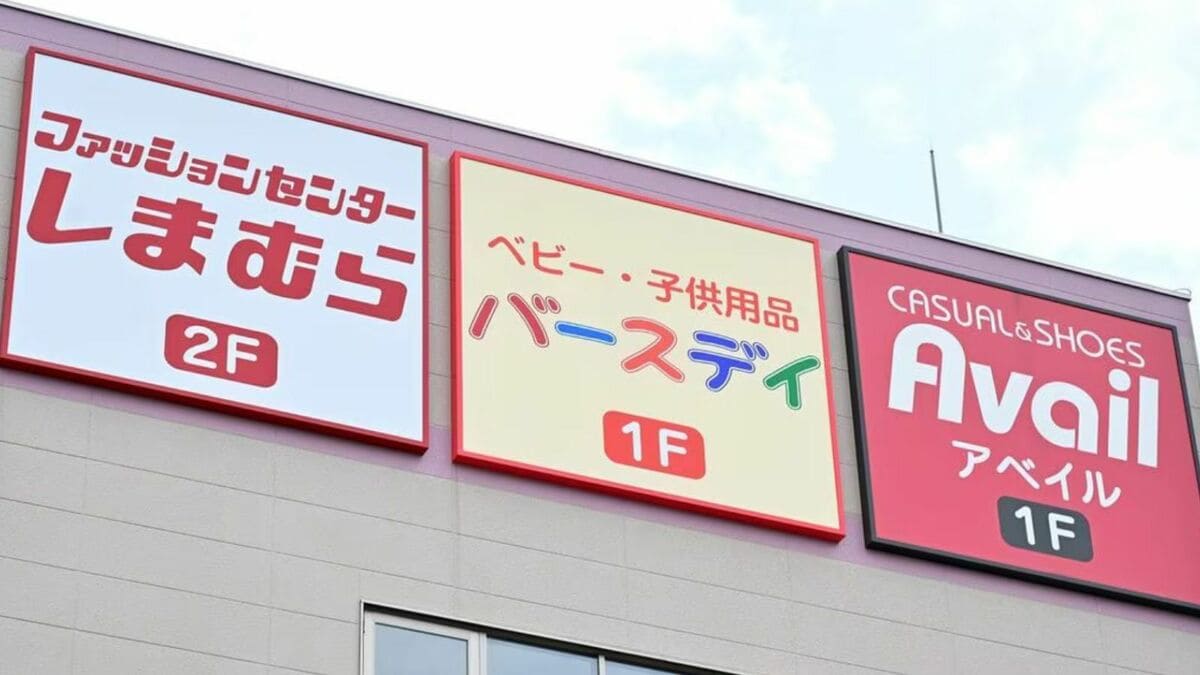
Shimamura's baby brand Birthday faced a flood of criticism over its AI-generated advertising, with viewers say…
Reddit user /u/Winter_Mistake_3185 posted "DiffusionGemma: How It Generates Text in Parallel (From Scratch in…
Reddit user /u/oGauRav shared the repo github.com/gyr0byte/ML-Foundations, covering classical ML with scikit-l…

