What happened
ElevenLabs released Eleven v4, which handles up to 10,000 characters per request and supports more than 90 languages, up from about 70 in v3.
Why it matters
More reliable direction-following and voice consistency could make v4 practical for longer productions like audiobooks, dubbing, and multi-line scenes, not just short clips.
What to watch
The company's performance and preference numbers come from its own tests and benchmarks, so independent results will matter. Standard pricing is $80 per million characters, with a temporary cut to $22 through October 12.
WHO IT HITSVoice-product teams — developers building real-time agents, audiobook and dubbing producers, and voice actors licensing clones — are the ones affected, since Turbo targets low-latency agents and v4 targets long-form consistency.
Summaries like this, in your inbox every morning.
Eleven v4 is the successor to v3, released just over a year ago, which already supported audio tags but followed them less accurately. With v4, the company says a new architecture analyzes a script's tone, pacing, and context, while users set pronunciation through phonetic spelling. ElevenLabs reports 91.7 percent on a pronunciation benchmark, up from 85.6 percent for v3, and about three-quarters of listeners in its blind tests preferred v4 over models from Cartesia, Inworld, and Google.
On Artificial Analysis' Provider Voice Arena leaderboard, v4 ranks ahead of Cartesia Sonic 3.6 and Google's Gemini 3.8 Flash TTS. Professional Voice Clones, which were unsupported in v3 and are available again in v4, reflect a focus on production uses like dubbing and audiobooks. Both models are available now in ElevenAgents, ElevenCreative, and through the API, while ElevenLabs separately released its Music 2.5 model in mid-September.
Pick your industry and the AI tools you use, and get news related to your work every day.
Free · 30 seconds with Google · unsubscribe anytimeWhat is AIToday? →
Ask AI anything about this article. The AI reads this article, earlier AIToday articles, and Wikipedia, and cites its sources. Q&As are published on this page for other readers too.
The Tokyo District Court dismissed Kenjiro Tsuda's demand that TikTok remove AI voice-clone videos, citing pri…
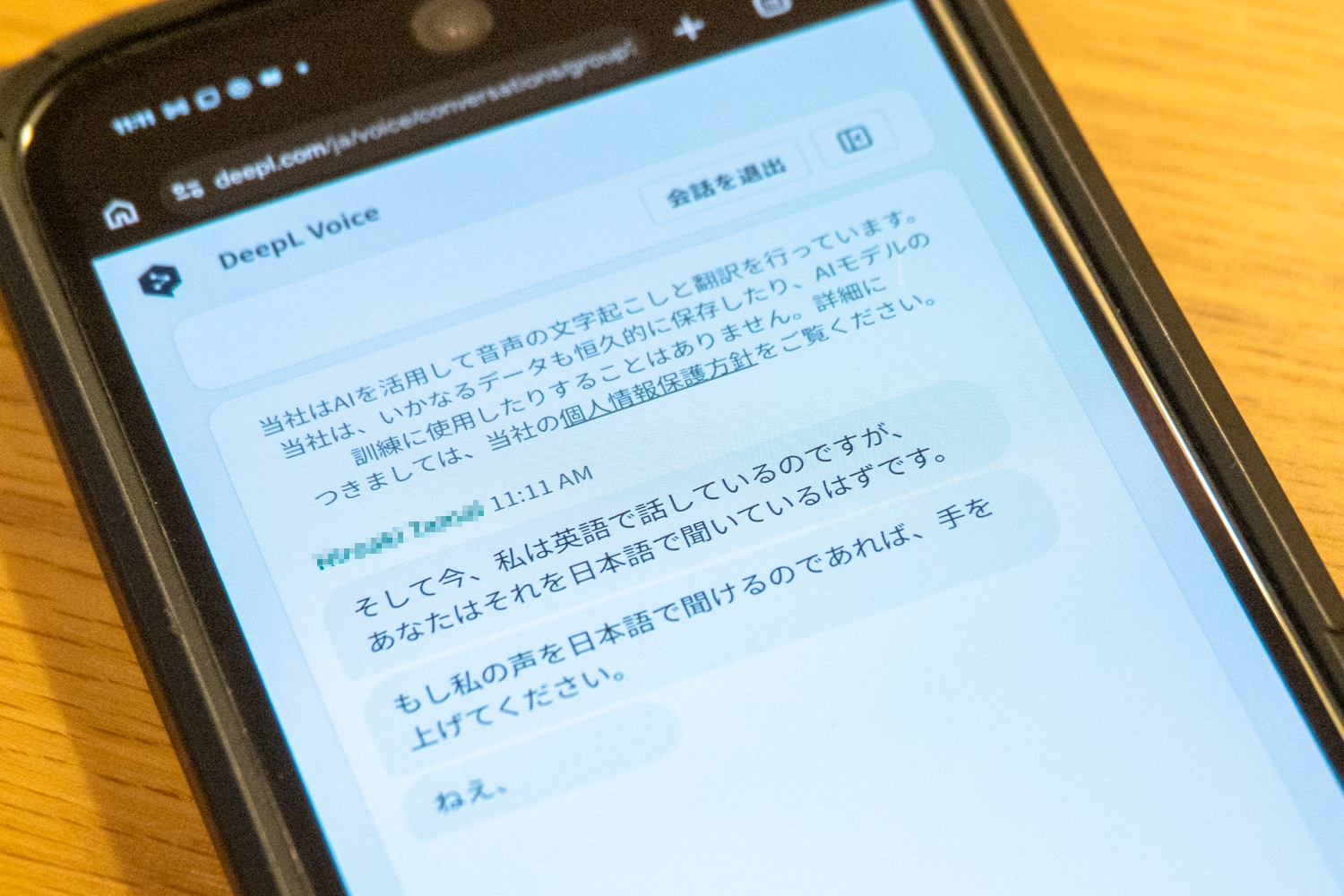
DeepL opened general availability of real-time speech-to-speech translation in DeepL Voice, supported by a new…
AHS launched two voice databases for Synthesizer V 2 on September 29 — the female Synthesizer V 2 AI Nanami an…
NTT West's VOICENCE company said it will open a free "Voice Consultation Desk" on September 28, 2026
AWS published Part 1 of a tutorial that deploys Qwen3-TTS on Amazon SageMaker AI using the vLLM-Omni Deep Lear…
Modulate raised $25 million, led by Future Ventures with returning investors Hyperplane and Lakestar, bringing…