What happened
Cisco is working with Internet2 to expand the National Research Platform through Cisco AI POD infrastructure at the University of Nebraska–Lincoln and California State University, Sacramento, adding accelerated computing resources to the shared ecosystem.
Why it matters
NRP connects computing resources contributed by institutions across the country, and 142 institutions actively used it during the 2025–2026 reporting period, including institutions outside the traditional R1 research university category.
WHO IT HITSResearchers at institutions with fewer resources, including those outside the traditional R1 research university category, gain access to shared advanced computing; one California State University campus alone has approximately 800 users annually using the platform for research and education.
Summaries like this, every morning.
The National Research Platform takes a different approach from the traditional model in which major research universities and national laboratories build and operate their own high-performance computing systems. Instead, NRP connects resources contributed by institutions across a distributed platform, so participating organizations can contribute hardware and benefit from centralized operations and support. Cisco says this model is already visible in the platform's reach: during the 2025–2026 reporting period, 142 institutions were actively using NRP, including institutions outside the traditional R1 research university category, and at one California State University campus alone, approximately 800 users annually access the platform for research and education.
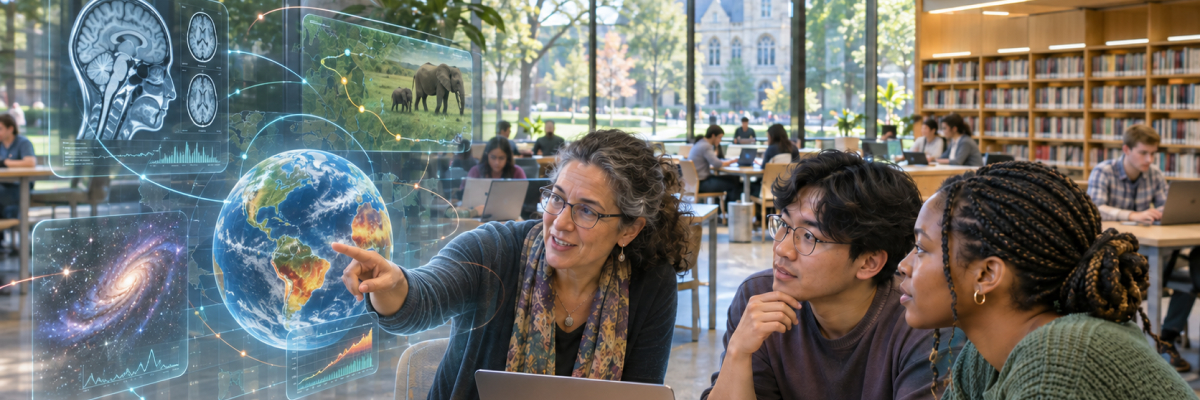
The projects NRP supports span neuroscience, conservation biology and astrophysics. Researchers are applying machine learning to brain MRI data to better understand biological signatures associated with Alzheimer's disease and cognitive decline; using computational genomics to study endangered amphibian and reptile populations; and using machine learning to study quasars and the structure and behavior of material surrounding supermassive black holes. These are different scientific challenges requiring different computing approaches, but they share a need for access to resources capable of processing complex datasets and supporting computationally demanding research.
Cisco's contribution with Internet2 adds accelerated computing resources to the broader NRP ecosystem. The company frames this as part of a collaborative model where technology providers, research networks and academic institutions work together, and it is highlighting the work at Supercomputing 2026, where much of the conversation centers on advances in computing performance, networking and AI infrastructure. Cisco's stated measure of computing infrastructure is not only how powerful the technology becomes but how effectively that power reaches the people who can use it.
Pick your industry and the AI tools you use, and get news related to your work every day.
Free · 30 seconds with Google · unsubscribe anytimeWhat is AIToday? →
Ask AI anything about this article. The AI reads this article, earlier AIToday articles, and Wikipedia, and cites its sources. Q&As are published on this page for other readers too.
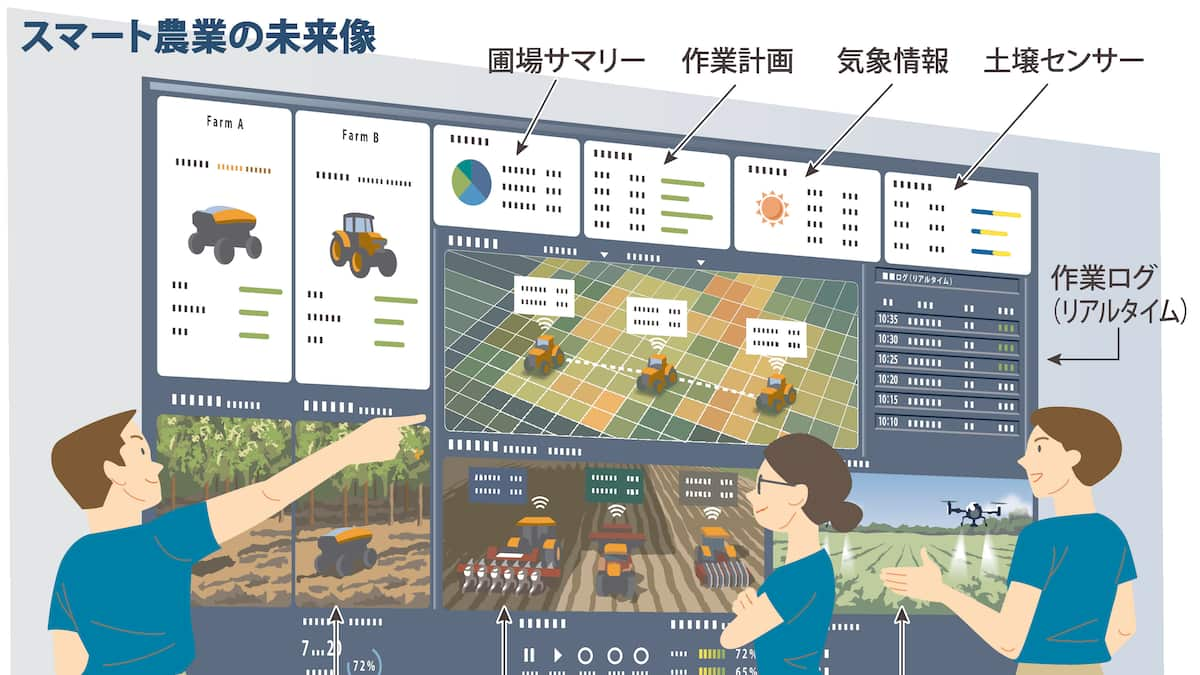
Kubota will launch Japan's first remotely monitored unmanned autonomous tractor in April next year
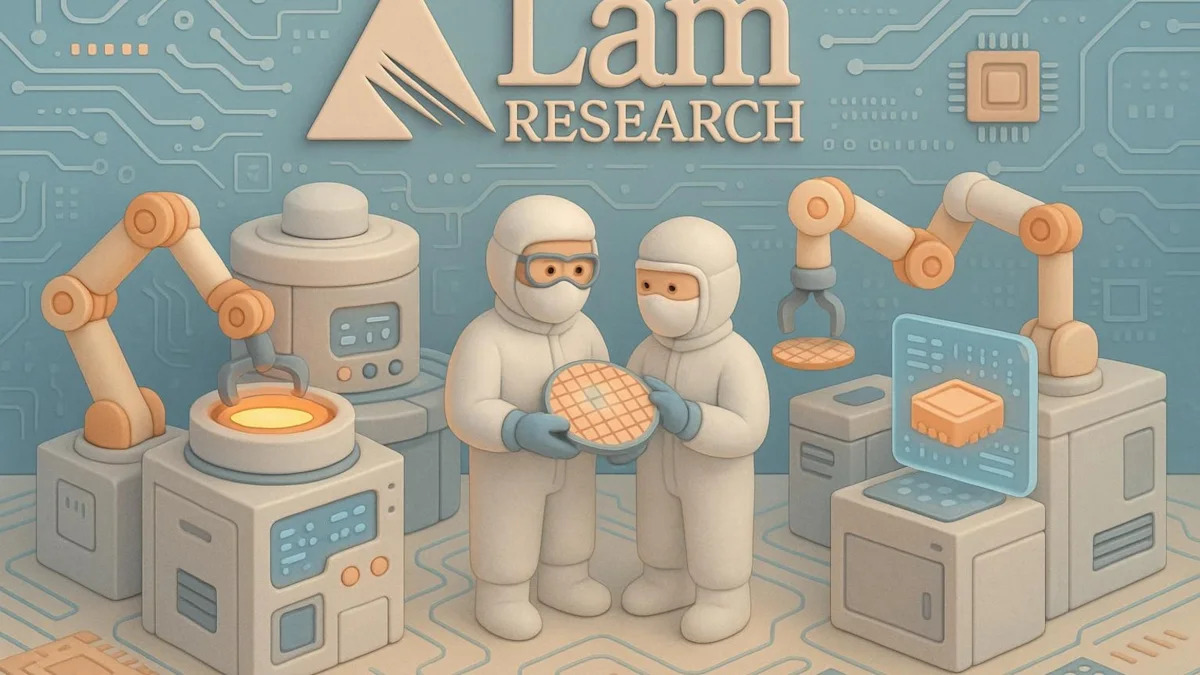
Lam Research shares rose 15.92% to $212.45, building on a premarket gain of more than 7% as investors bought b…

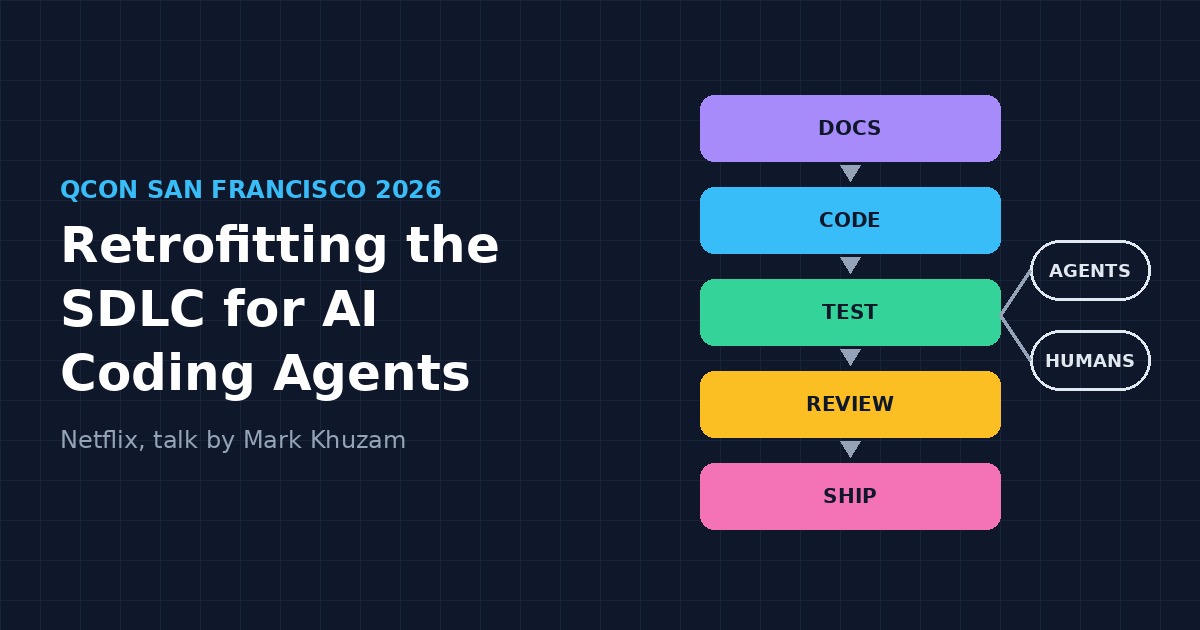
Netflix senior engineer Mark Khuzam told QCon San Francisco 2026 that the Commerce team wrote 45 architecture…
Lam Research committed US$15 million through the Lam Foundation to expand STEM and AI literacy for youth, incl…
Broadcom is reported to face reduced AI accelerator shipments to Google, which is said to be scaling back orde…

Katrin Fröhlich, Anne Helm and Luise Helm posted a video saying they will no longer provide their voices becau…