What happened
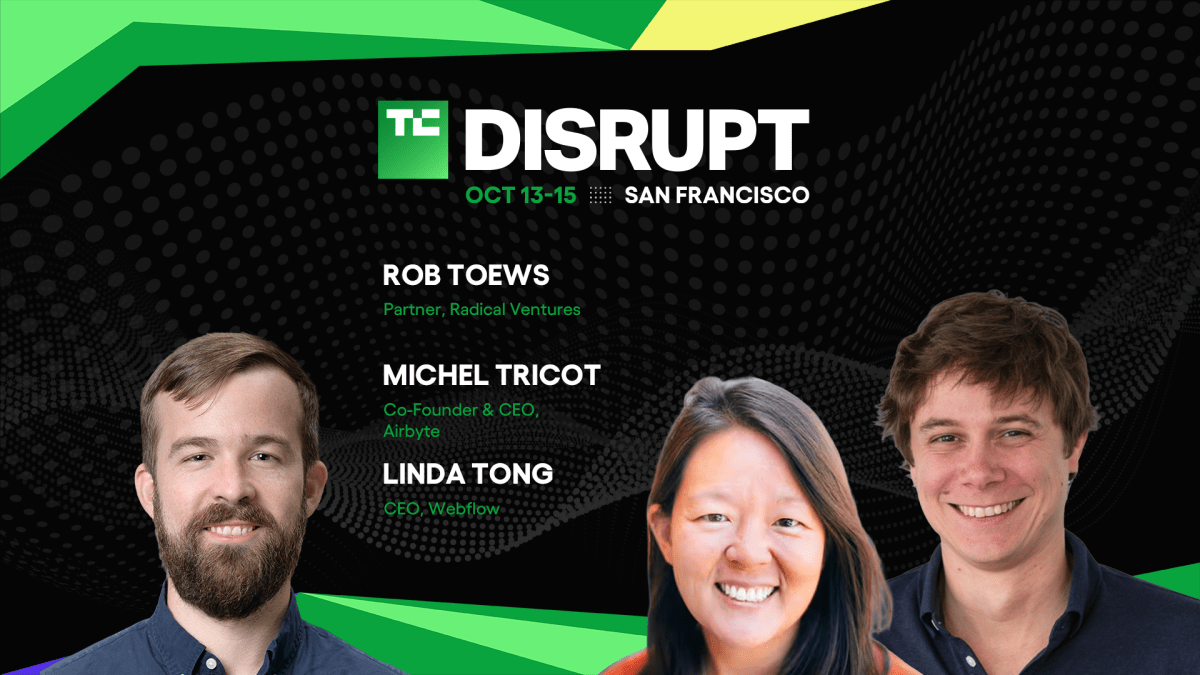
TechCrunch Disrupt 2026 will host a Builders Stage session titled "What Happens When OpenAI Ships Your Roadmap," featuring Michel Tricot (Airbyte), Rob Toews (Radical Ventures), and Linda Tong (Webflow).
Why it matters
Founders once competed mainly with other startups, but the article says they now compete with foundation model companies shipping new capabilities every few months, turning a differentiating feature into table stakes.
What to watch
The session's test is whether founders can build products still valued after the next model release, relying on proprietary data, embedded workflows, customer relationships, domain expertise, and trust.
WHO IT HITSAI startup founders and their product and fundraising teams, plus the investors evaluating them, face a different diligence question: whether a company stays a business once OpenAI, Anthropic, or Google ships similar capabilities.
Ask the AI about this article →
Summaries like this, in your inbox every morning.
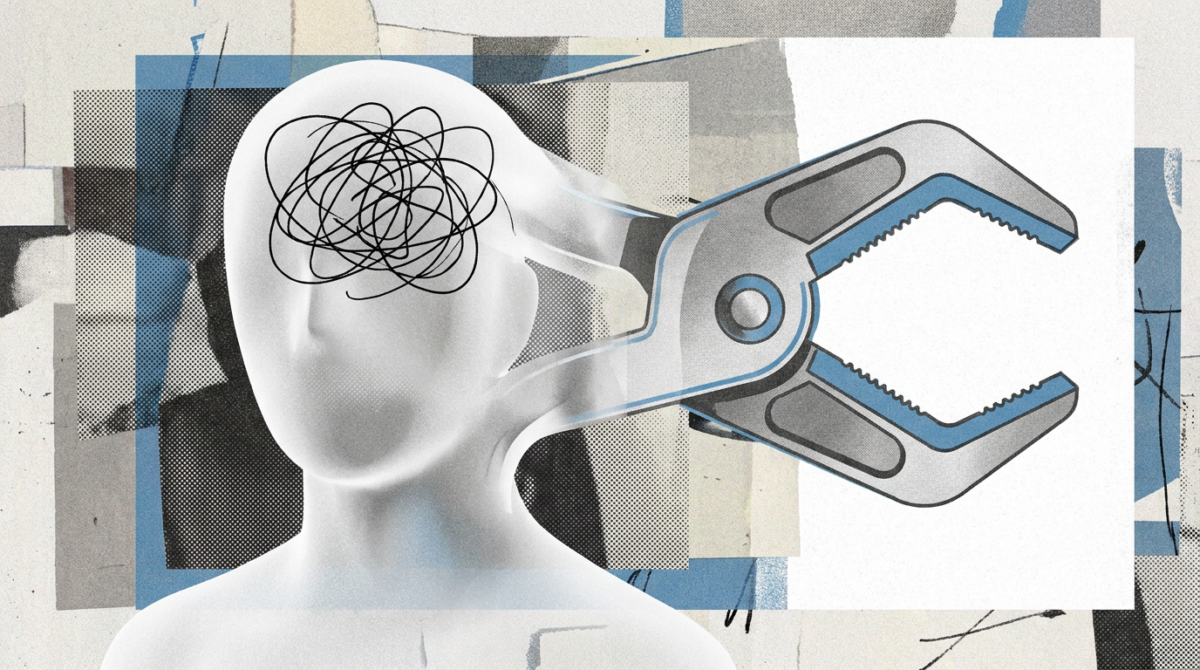
The session reflects a shift the article describes in how AI founders frame competition. Not long ago, the concern was rival startups; today, the article says, the concern is foundation model companies from OpenAI, Anthropic, and Google introducing entirely new capabilities every few months. That reframing runs through product strategy, fundraising, and valuations, changing the question from "Can we build it?" to "Can we still own it?"
The panel is deliberately mixed: a founder and operator in Michel Tricot of Airbyte — which the article says has grown to more than 7,000 customers, including 18% of the Fortune 500 — and Linda Tong of Webflow, alongside an investor, Rob Toews of Radical Ventures, who evaluates AI startups and where competitive advantages still exist. Their combined question is what a company can build that the platforms cannot simply ship themselves.
What the session hinges on is whether defensibility now comes from what models cannot easily replace: proprietary data, deeply embedded workflows, customer relationships, domain expertise, and trust. For founders, the practical stakes appear to be whether their product remains a business after the next model release, rather than becoming someone else's feature.
For example, today's edition would include:
AI-summarized, only the topics you pick — one digest a day via Email, Slack, or Discord.
Free · 30 seconds with Google · unsubscribe anytimeWhat is AIToday? →
Ask AI anything about this article. Q&As are published on this page for other readers too.
IREN fell almost 5% in premarket trade Monday even as CEO Daniel Roberts said AI processing demand still far o…

The UAE is considering moving parts of two of its largest infrastructure projects underground to guard against…

Nvidia's Jensen Huang published "Land, Power, Shell: The Next Strategic Resource" on August 17, naming ready-t…
Anthropic told investors it will post a second straight profitable quarter and plans a Nasdaq listing at a pos…
Microsoft AI published a code of conduct for its MAI models, saying it will give up generality, autonomy, or p…
Anthropic CEO Dario Amodei urged AI labs to slow capability gains so safety can catch up, warning of a scenari…