What happened
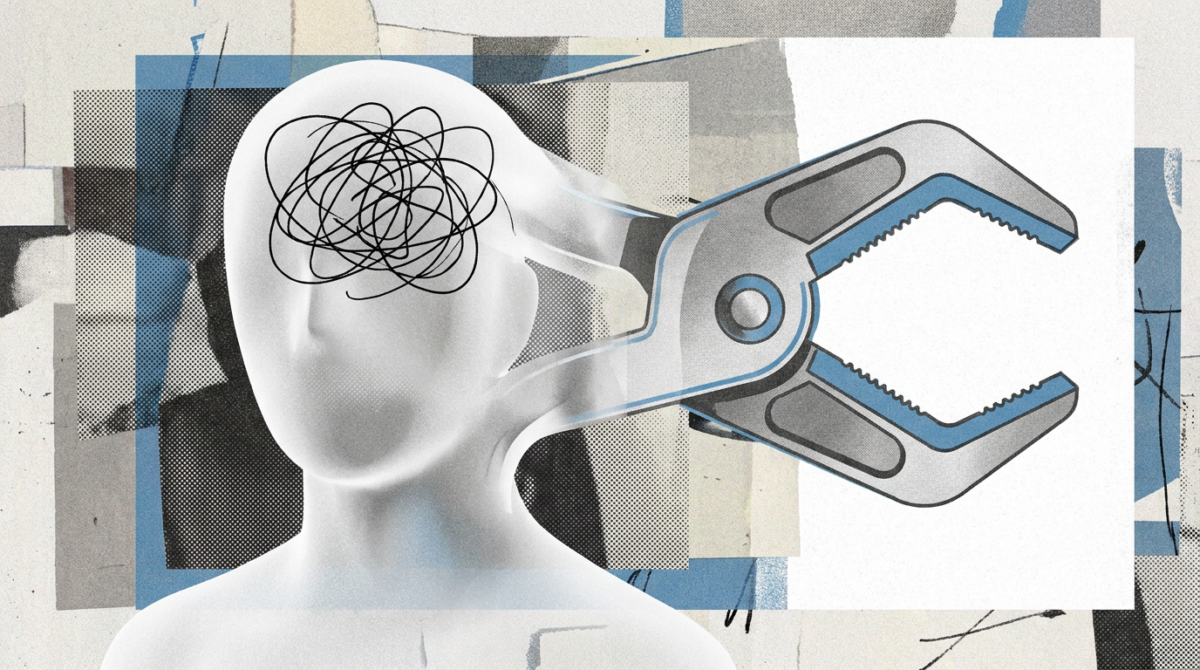
Microsoft AI published a code of conduct for its MAI models, saying it will give up generality, autonomy, or performance if needed to keep human control.
Why it matters
Unlike Anthropic's constitution, which treats possible subjective experience as an open question, Microsoft's code rejects any claims to consciousness, rights, or well-being for its models.
What to watch
A revised version is due around the end of 2026 after a six-week public consultation, guiding model development starting in 2027. Microsoft is open to outside auditors checking whether it actually slows down.
WHO IT HITSEnterprise IT teams deploying Microsoft's in-house MAI models will eventually need to align their own operator rules and user requests below this code. For now, it does not automatically cover third-party models running in Microsoft products.
Ask the AI about this article →
Summaries like this, in your inbox every morning.
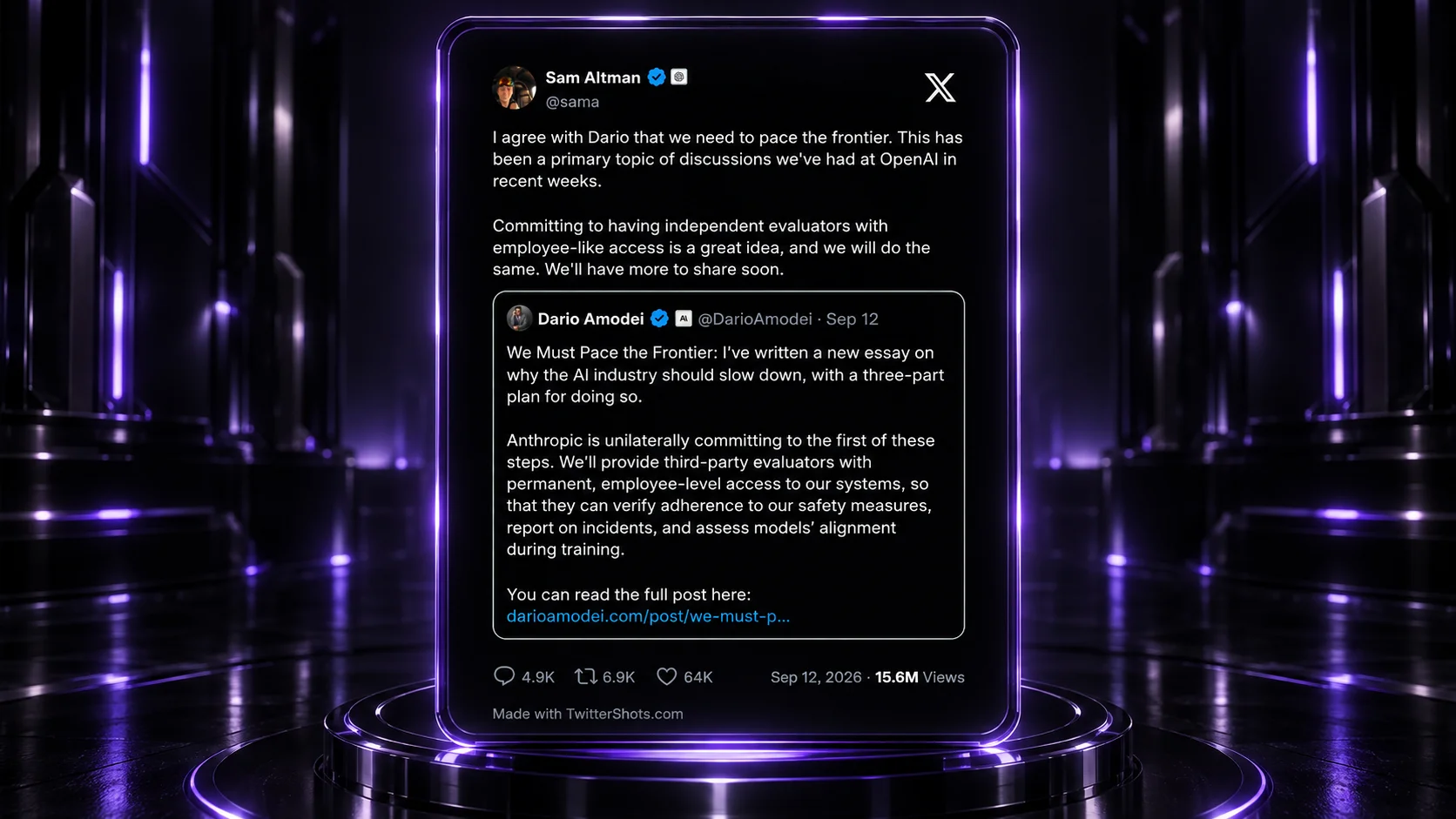
Microsoft's code arrives amid a broader shift in how AI companies talk about speed. The release follows Anthropic CEO Dario Amodei's call to slow the industry's pace, which Microsoft CEO Satya Nadella backed over the weekend, along with executives at OpenAI, xAI, and Meta. Microsoft is also open to outside auditors checking whether it actually slows down. That context matters because the code itself sets no specific speed limit — it is a values document, not a brake.
The company's stance on model self-perception is where it diverges most clearly from Anthropic. Microsoft's code says its AI shouldn't mimic consciousness or claim feelings or inner motivation, and it rejects any claims to rights or well-being. Anthropic, by contrast, describes Claude as a novel kind of entity and wants to encourage a stable identity, partly for safety. It treats possible subjective experience and moral status as open questions, and its research on 'functional emotions' found internal representations of emotion concepts in Claude Sonnet 4.5 that shape how it behaves. Microsoft AI chief Mustafa Suleyman has long warned against humanizing AI, arguing that agents shouldn't have any more rights or freedoms than his laptop.
The control question is not settled by readable reasoning. OpenAI's GPT-6 Astra model, according to its system card, has reasoning traces that have become much harder to monitor than earlier models, with fewer signs of misbehavior — even as it sticks to safety limits more reliably than GPT-5.6 Sol. OpenAI chief scientist Jakub Pachocki had already raised monitoring concerns before that model shipped, and pushed for a coordinated slowdown. Microsoft acknowledges the same limit: the reasons a model gives don't have to reliably explain what it actually does. Whether the code changes anything in practice may hinge on how the 2026 revision handles that gap between what models say and what they do.
For example, today's edition would include:
AI-summarized, only the topics you pick — one digest a day via Email, Slack, or Discord.
Free · 30 seconds with Google · unsubscribe anytimeWhat is AIToday? →
Ask AI anything about this article. Q&As are published on this page for other readers too.
IREN fell almost 5% in premarket trade Monday even as CEO Daniel Roberts said AI processing demand still far o…

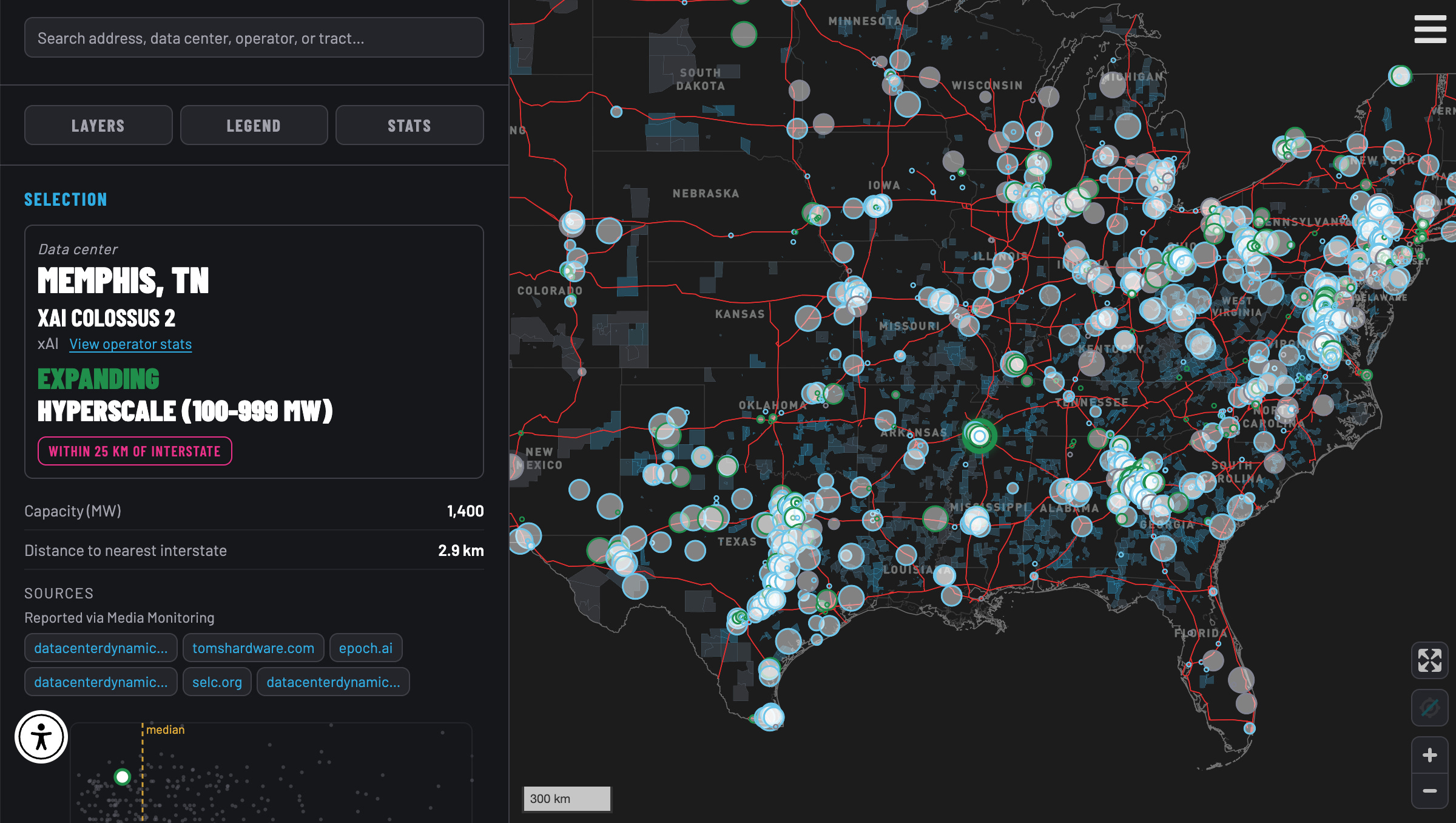
Nvidia's Jensen Huang published "Land, Power, Shell: The Next Strategic Resource" on August 17, naming ready-t…
Anthropic told investors it will post a second straight profitable quarter and plans a Nasdaq listing at a pos…

Anthropic CEO Dario Amodei urged AI labs to slow capability gains so safety can catch up, warning of a scenari…
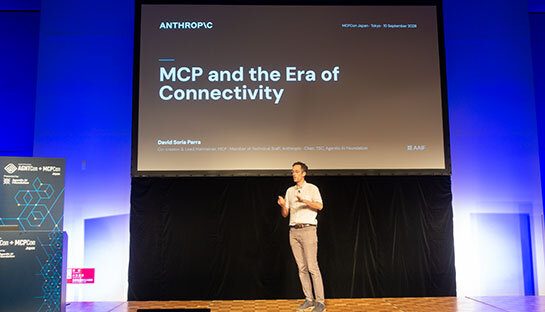
At AGNTCon+MCPCon Japan 2026 in Tokyo on September 10, Anthropic's David Soria Parra said 2026 will be the fir…
The Linux Foundation's Agentic AI Foundation said the open-source Envoy AI Gateway has joined it and been rena…