What happened
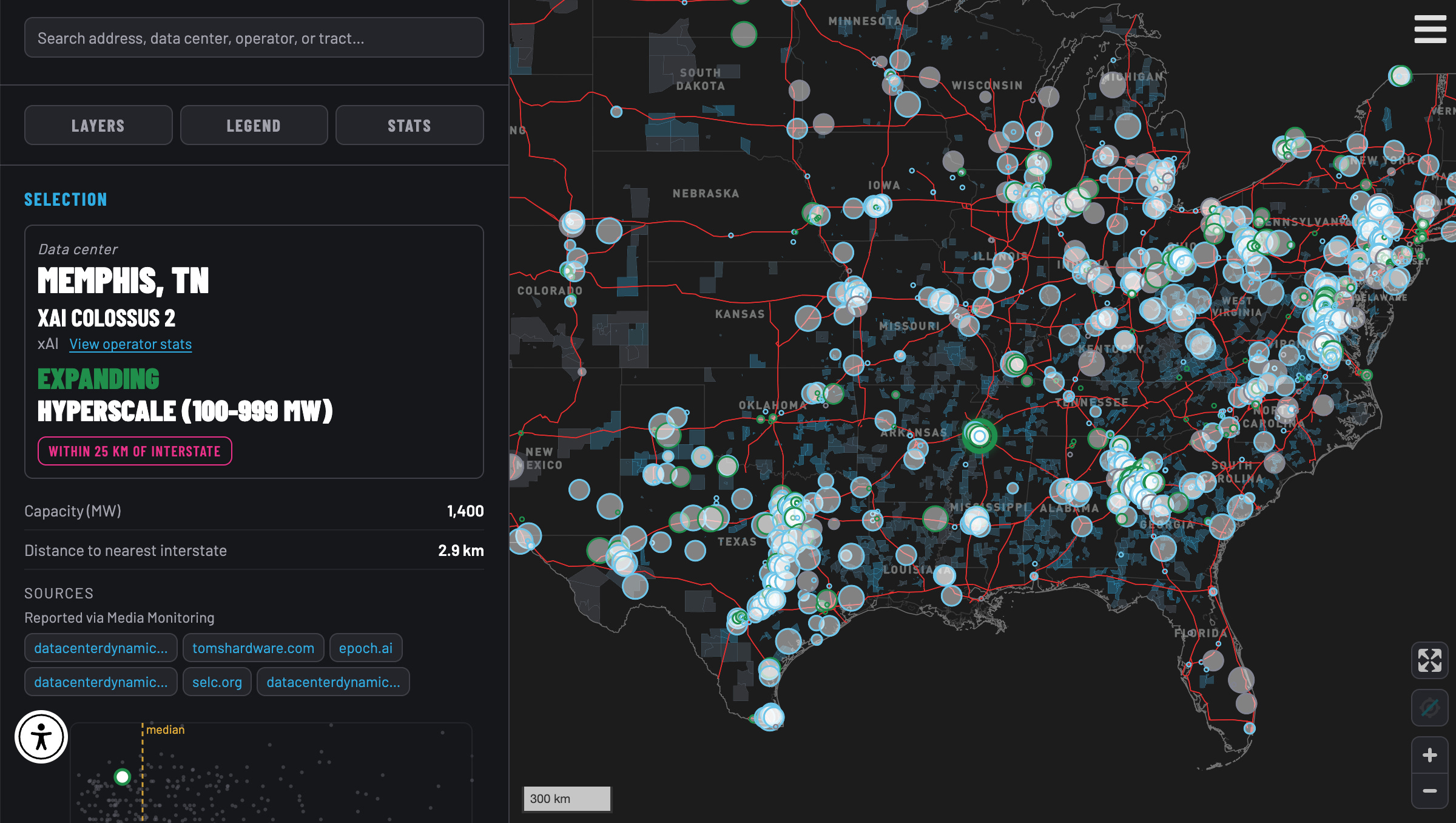
Nvidia's Jensen Huang published "Land, Power, Shell: The Next Strategic Resource" on August 17, naming ready-to-energize buildings as the constraint. The centerpiece is a SoftBank SB Energy partnership at Ohio's PORTS-Pike campus, with OpenAI as tenant and 4.25 gigawatts initial capacity.
Why it matters
Frontier AI labs increasingly have demand and revenue but lack the balance sheets and investment-grade credit to secure AI-factory infrastructure alone, Huang wrote. For those labs, growth is constrained less by algorithms or demand than by compute availability.
What to watch
Huang framed the LPS commitment as locking a long-lived site while the Nvidia compute inside can be upgraded each generation, so the bet hinges on whether that upgrade cycle holds. Site potential if Nvidia extends the arrangement is about 8 gigawatts.
WHO IT HITSAI labs that are growing faster than their balance sheets and credit profiles can support, along with the cloud providers and investment-grade enterprises that Huang said will keep securing Land, Power, and Shell independently.
Ask the AI about this article →
Summaries like this, in your inbox every morning.
Huang's August 17 note reframed Nvidia's earnings-call messaging as a named scarce asset. In the most recent calls, Nvidia on August 26 and Broadcom on September 2 both put Land, Power, and Shell at the center of the AI data-center bottleneck. Huang went further by publishing the concept and attaching it to a concrete site.
His note split Nvidia's customers in two. The largest cloud providers and investment-grade enterprises, he wrote, have the balance sheets, expertise, and long-term contracts to secure Land, Power, and Shell on their own, and that model will remain most of Nvidia's business. Frontier AI labs are the exception: strong demand and growing revenue, but balance sheets and credit profiles that lag their growth.
The physical market, as the article frames it, is not one pipeline but three inventories of buildings: energized now, ready to energize in the next few quarters, and planned for 2027–29. The PORTS-Pike site illustrates the economics Huang described: the Land, Power, and Shell commitment locks a long-lived site, while the compute inside can be upgraded every generation. Whether that upgrade cycle holds, and whether Nvidia extends the arrangement toward the roughly 8 gigawatts of site potential, appears to be the test of how far this model travels.
For example, today's edition would include:
AI-summarized, only the topics you pick — one digest a day via Email, Slack, or Discord.
Free · 30 seconds with Google · unsubscribe anytimeWhat is AIToday? →
Ask AI anything about this article. Q&As are published on this page for other readers too.
IREN fell almost 5% in premarket trade Monday even as CEO Daniel Roberts said AI processing demand still far o…

The UAE is considering moving parts of two of its largest infrastructure projects underground to guard against…
Anthropic told investors it will post a second straight profitable quarter and plans a Nasdaq listing at a pos…

Microsoft AI published a code of conduct for its MAI models, saying it will give up generality, autonomy, or p…
Anthropic CEO Dario Amodei urged AI labs to slow capability gains so safety can catch up, warning of a scenari…
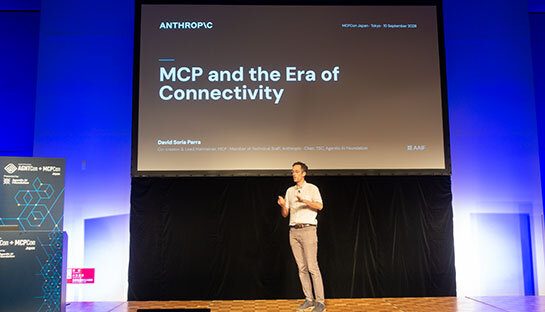
At AGNTCon+MCPCon Japan 2026 in Tokyo on September 10, Anthropic's David Soria Parra said 2026 will be the fir…