What happened
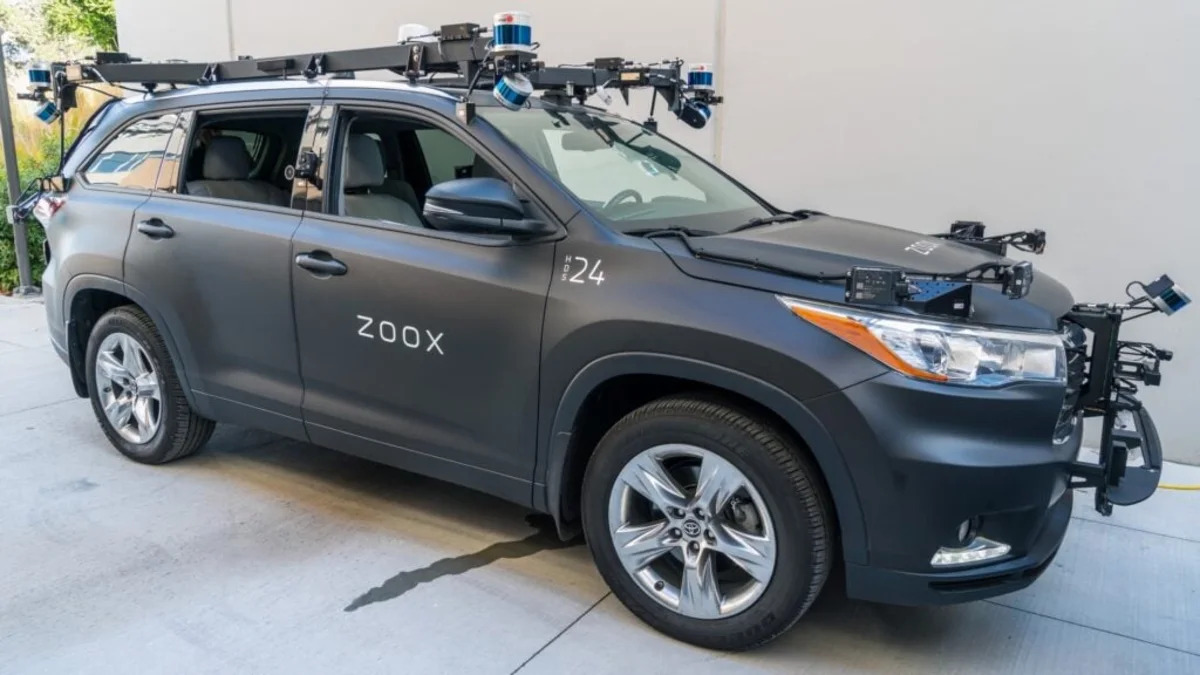
Transportation Secretary Sean Duffy directed NHTSA to grant Amazon's Zoox a temporary exemption to deploy 2,500 Robotaxis annually for two years. NHTSA also launched A2SCEND, a three-year $5 million consortium with the Society of Automotive Engineers to establish a single national safety standard for autonomous vehicles.
Why it matters
The exemption lets Zoox, which has completed 500,000 rides in Las Vegas and can produce 100 vehicle units per week at its California facility, expand commercial driverless operations without waiting for traditional regulatory approval. The national safety standard aims to replace the fragmented state-by-state rules that have hindered AV development.
What to watch
Zoox's Pod-like Robotaxi features a LiDAR-enabled self-driving suite and bidirectional design for four passengers. NHTSA is also updating exemption rules to give the agency discretion to permit vehicles deployed after an exemption is granted, and establishing federal guidance on emergency responder interactions and post-crash behavior.
Summaries like this, in your inbox every morning.
The Trump administration's directive represents a significant shift toward streamlining autonomous vehicle regulation at the federal level. By granting Zoox a temporary exemption to deploy vehicles without full compliance with existing Federal Motor Vehicle Safety Standards, the DOT is prioritizing market acceleration over the traditional lengthy approval process. This move is coupled with broader regulatory restructuring: NHTSA's new discretion to allow vehicles manufactured before an exemption date to be deployed after the exemption takes effect, and expanded Part 555 exemption authority, together create a more flexible framework for AV developers.
The establishment of A2SCEND signals recognition that the current regulatory fragmentation—where different states impose different rules—has created barriers to innovation and deployment. By partnering with the Society of Automotive Engineers to build a unified national standard, NHTSA aims to create predictability and reduce compliance costs for manufacturers. Zoox's existing operational history in Las Vegas, including its 500,000 completed rides and weekly production capacity of 100 vehicles, positions it as an immediate beneficiary of this policy shift. The company's Pod-like vehicle, equipped with LiDAR self-driving technology and a bidirectional passenger design, will now have a clearer path to broader commercial deployment over the two-year exemption period.
Pick your industry and the AI tools you use, and get news related to your work every day.
Free · 30 seconds with Google · unsubscribe anytimeWhat is AIToday? →
Ask AI anything about this article. The AI reads this article, earlier AIToday articles, and Wikipedia, and cites its sources. Q&As are published on this page for other readers too.
JR Central announced the S0系 on October 16, its first full model change since the N700S, with commercial servi…
The Air Force upgraded the X-62 VISTA with advanced radar, expanded sensors and computing, and modern network…
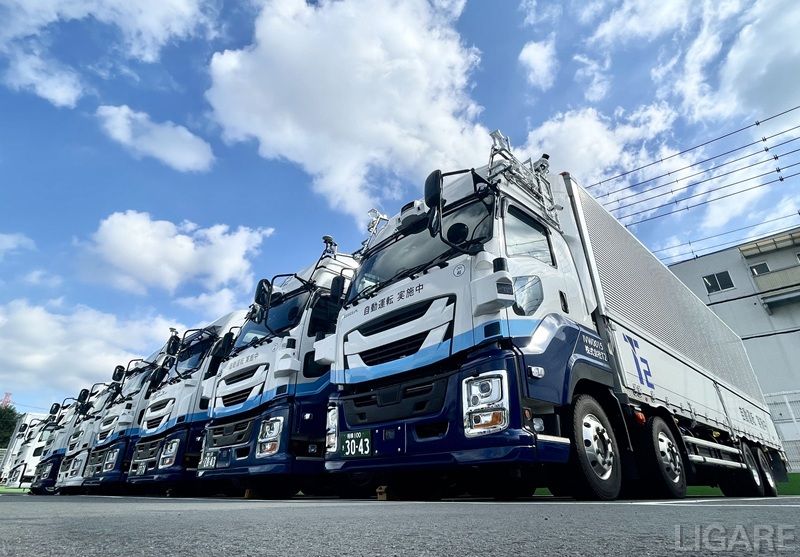
T2 said it will join ENEOS and others in the Agency for Natural Resources and Energy's demonstration project f…
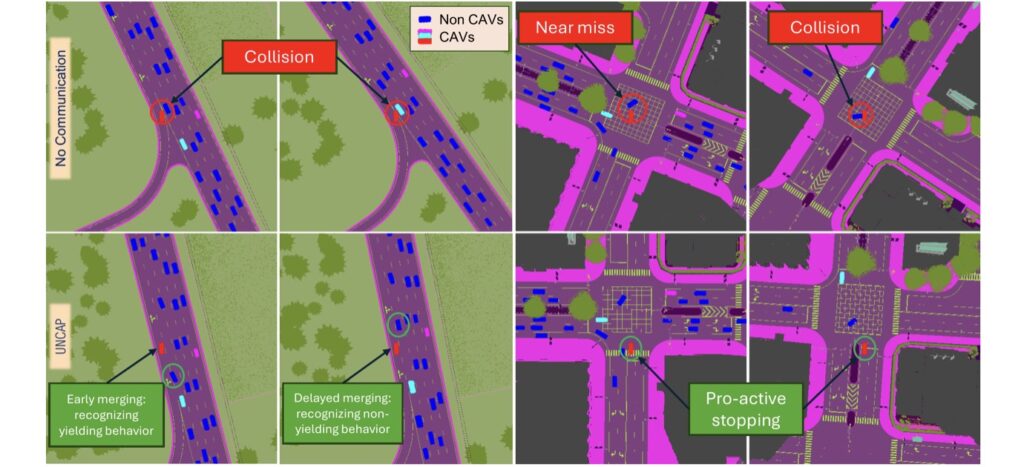
Researchers present neurosymbolic planning using natural language communication for cooperative autonomous veh…
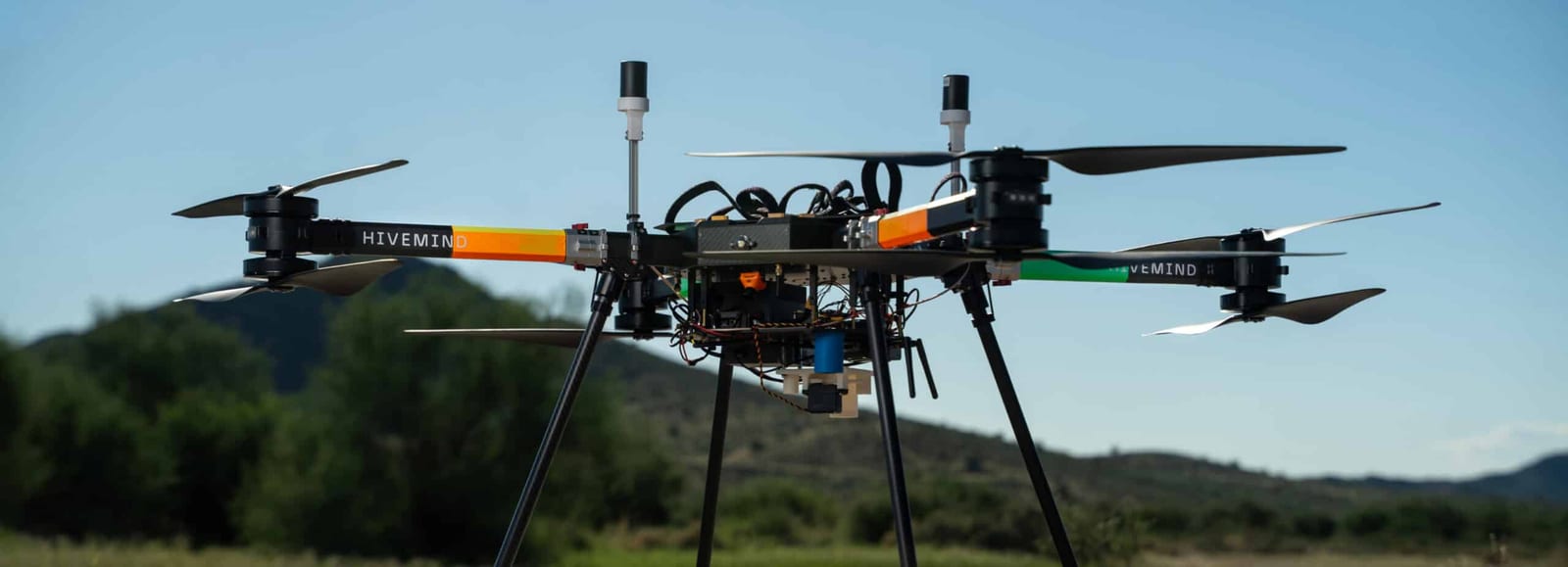
Honeywell Aerospace flew a BFD-SE8 autonomously in mid-June, six weeks after starting Shield AI's Hivemind Ent…
Sony will exhibit at CEATEC 2026, held October 13–16 at Makuhari Messe in Chiba, under the theme "Where Ideas…