What happened
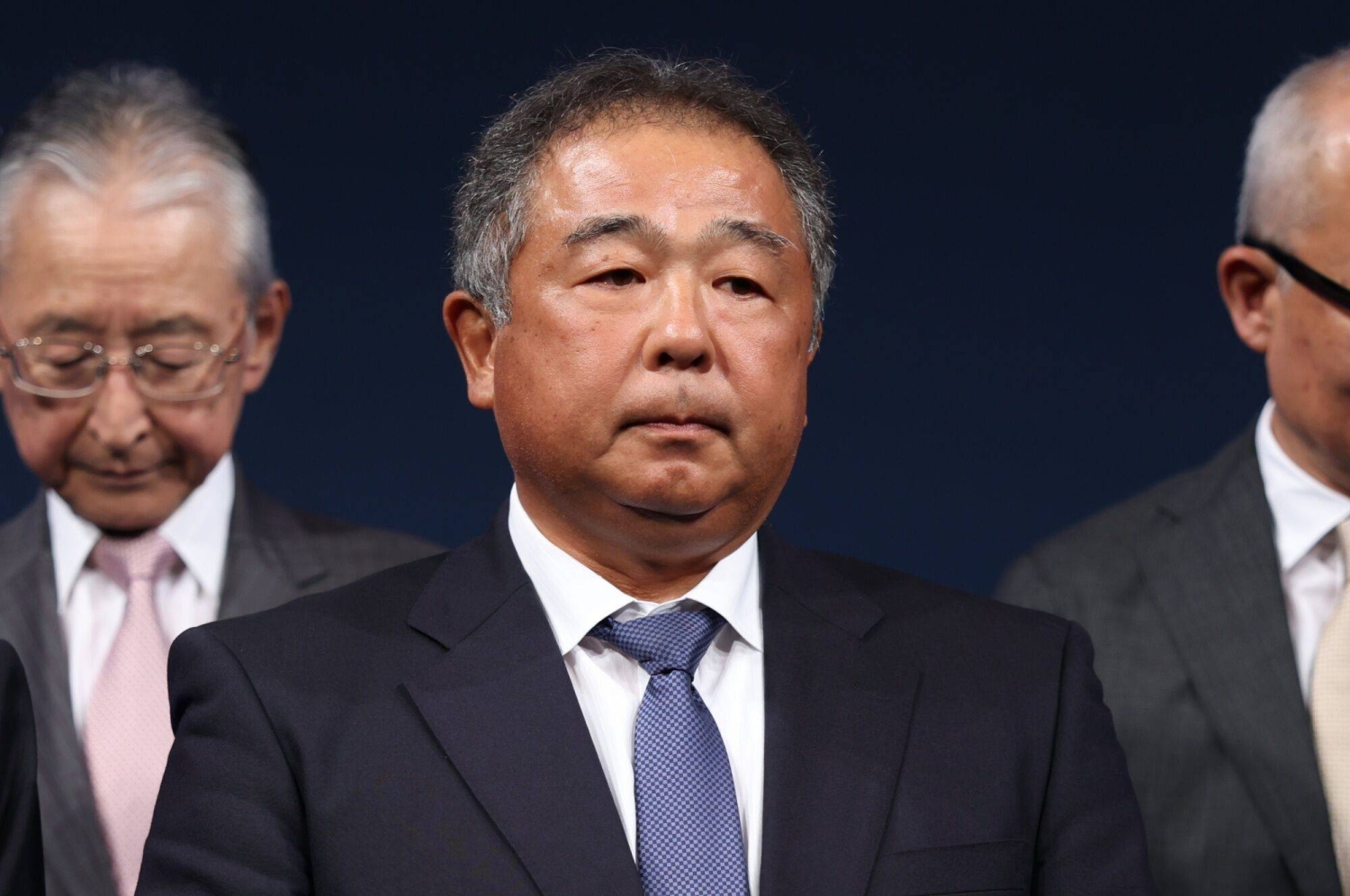
Japan's newly established Noetra, backed by ¥387.3 billion ($2.4 billion(約3800億円)) in government funding through March of next year, will purchase 27,500 next-generation Rubin chips from Nvidia to build a foundational AI model for robots. The company, supported by Sony Group, SoftBank, Toyota-backed Preferred Networks, and NEC, will construct a roughly 140 megawatt data center slated to go online in June 2028.
Why it matters
Japan aims to reduce its dependence on foreign technology and strengthen national security by consolidating fragmented domestic AI efforts—SoftBank's Sarashina LLM, Preferred Networks' PLaMo, and NEC's cotomi—into a single national initiative. The move reflects the government's broader strategy to capture more than 30% of the estimated ¥60 trillion global robotics market by 2040, especially as a generation of Japanese industrial craftspeople retires without passing on specialized skills.
What to watch
Noetra plans to release an initial AI model by March of next year, with regular updates to follow. The longer-term goal is to deliver a model tailored for robotics applications within a few years. The data center is scheduled to begin operations in June 2028.
Summaries like this, in your inbox every morning.
Japan's Noetra initiative represents a coordinated national effort to consolidate domestic AI capabilities around a shared robotics-focused platform. Rather than allowing companies like SoftBank, Preferred Networks, and NEC to develop competing large language models in isolation, the government is channeling ¥387.3 billion ($2.4 billion(約3800億円)) into a unified venture that will leverage 27,500 Nvidia Rubin chips—a substantial order, though the body notes it is small compared with Microsoft's plans for hundreds of thousands of Vera Rubin systems. This consolidation serves two strategic purposes: lowering Japan's reliance on foreign technology infrastructure and positioning the nation to capture more than 30% of the estimated ¥60 trillion global robotics market by 2040.
The timing reflects both economic and demographic pressures. Japan faces a shortage of skilled craftspeople—welders, machinists, and other industrial workers—retiring without knowledge transfer mechanisms in place. The government and Nvidia co-founder Jensen Huang both frame AI as a tool to preserve and transmit these specialized skills to the next generation. Noetra's roadmap supports this vision: an initial model release by March of next year, followed by regular updates and a robotics-specific variant within a few years. The June 2028 data center launch provides the physical infrastructure foundation. By coordinating these efforts under a single entity led by Hironobu Tamba (who previously led SoftBank's language model development), Noetra aims to create an alternative to U.S. and Chinese AI systems rather than fragmenting investment across competing national champions.
Pick your industry and the AI tools you use, and get news related to your work every day.
Free · 30 seconds with Google · unsubscribe anytimeWhat is AIToday? →
Ask AI anything about this article. The AI reads this article, earlier AIToday articles, and Wikipedia, and cites its sources. Q&As are published on this page for other readers too.
Vinci4D provides chip-design simulation software that trains on physics equations instead of customer data, an…

SEMI President and CEO Ajit Manocha told DIGITIMES that the semiconductor industry reached the US$1 trillion r…
Nvidia's AI Enterprise lists at $4,500 per GPU annually, and paid subscriptions add supported software, securi…
CoreWeave fell more than 25% this week, its debt yield briefly rose above 16% on Thursday, and SK Hynix droppe…

Anthropic told investors this week that it is making 85% gross margins, a figure the columnist calls a cash co…
Modal Labs, an AI infrastructure provider, raised $750 million in a Series D led by Accel at a $15.75 billion…