What happened
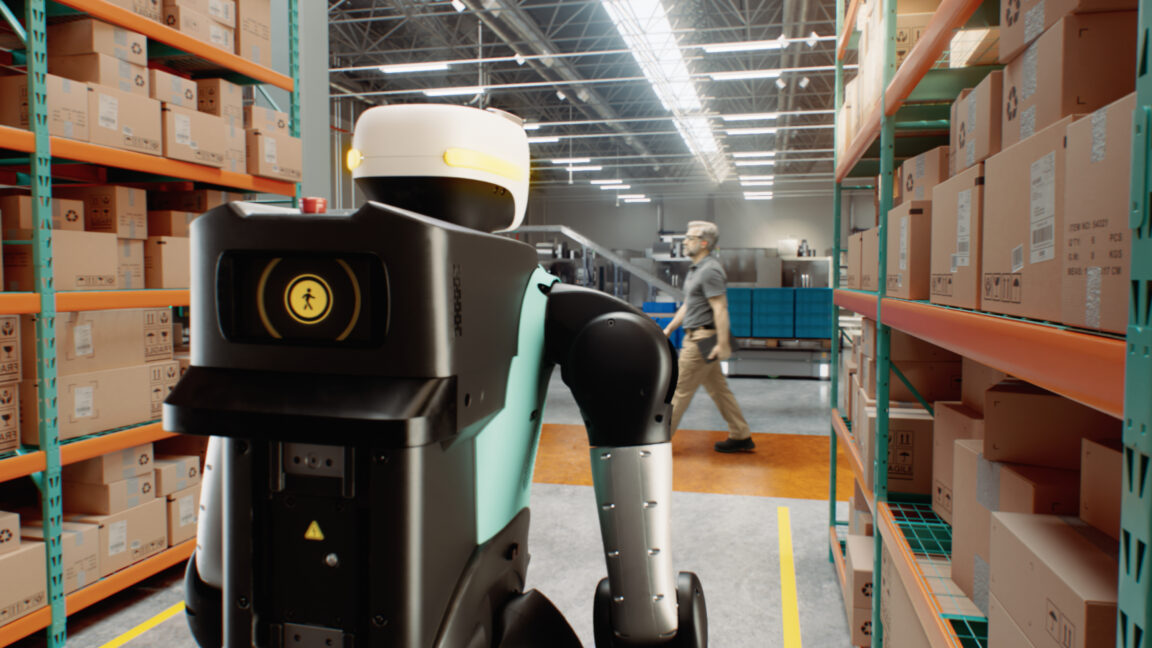
Nvidia's Halos system monitors "every hardware block" and "every software library" and isolates safety-critical computing workloads, Goel said. It also includes the Nvidia Holoscan Sensor Bridge.
Why it matters
Adapting Halos from autonomous vehicles to robots required accommodating different definitions of safety, since a robotic vacuum and a warehouse forklift have very different safety considerations, Goel explained.
WHO IT HITSRobotics developers and autonomous-vehicle teams gain tools to define custom safety functions and detect corrupted sensor data, though they must reconcile differing safety definitions across robot types.
Summaries like this, in your inbox every morning.
Nvidia originally developed Halos for autonomous vehicles, but the company had to reimagine the platform to serve robotics. As Goel told Ars, functional safety for self-driving cars is fairly consistent across automotive companies and countries. Robots that operate in factories, warehouses, and hospitals face unstructured environments where obstacles can appear from any direction, as Gold noted. That variability pushed Nvidia to build in programmable hooks so developers can define custom safety functions without breaking the underlying infrastructure.
Pick your industry and the AI tools you use, and get news related to your work every day.
Free · 30 seconds with Google · unsubscribe anytimeWhat is AIToday? →
Ask AI anything about this article. The AI reads this article, earlier AIToday articles, and Wikipedia, and cites its sources. Q&As are published on this page for other readers too.
WinWay Technology surpassed NT$10 billion in cumulative revenue in September, a milestone it originally expect…
Advantech reported on October 7 that third-quarter consolidated revenue hit NT$32.44 billion (approx
PwC Australia launched Cyber Managed Services, an AI-enabled cybersecurity service combining Google SecOps tec…
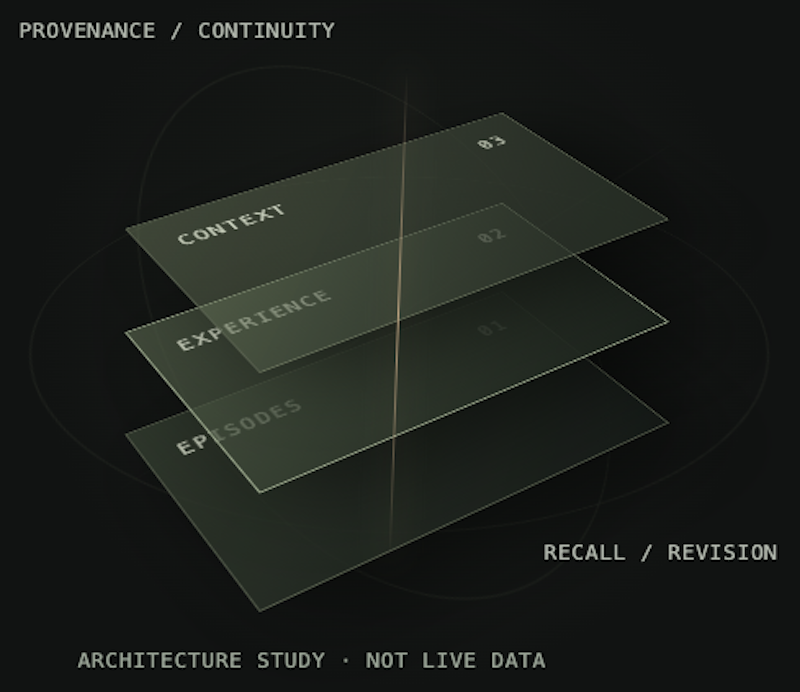
Monolithos launched a public alpha of Robot Brain, a long-term memory system that stores a robot's task histor…
Google Cloud announced Gemini エージェント at its Gemini at Work 2026 event on October 8, US time
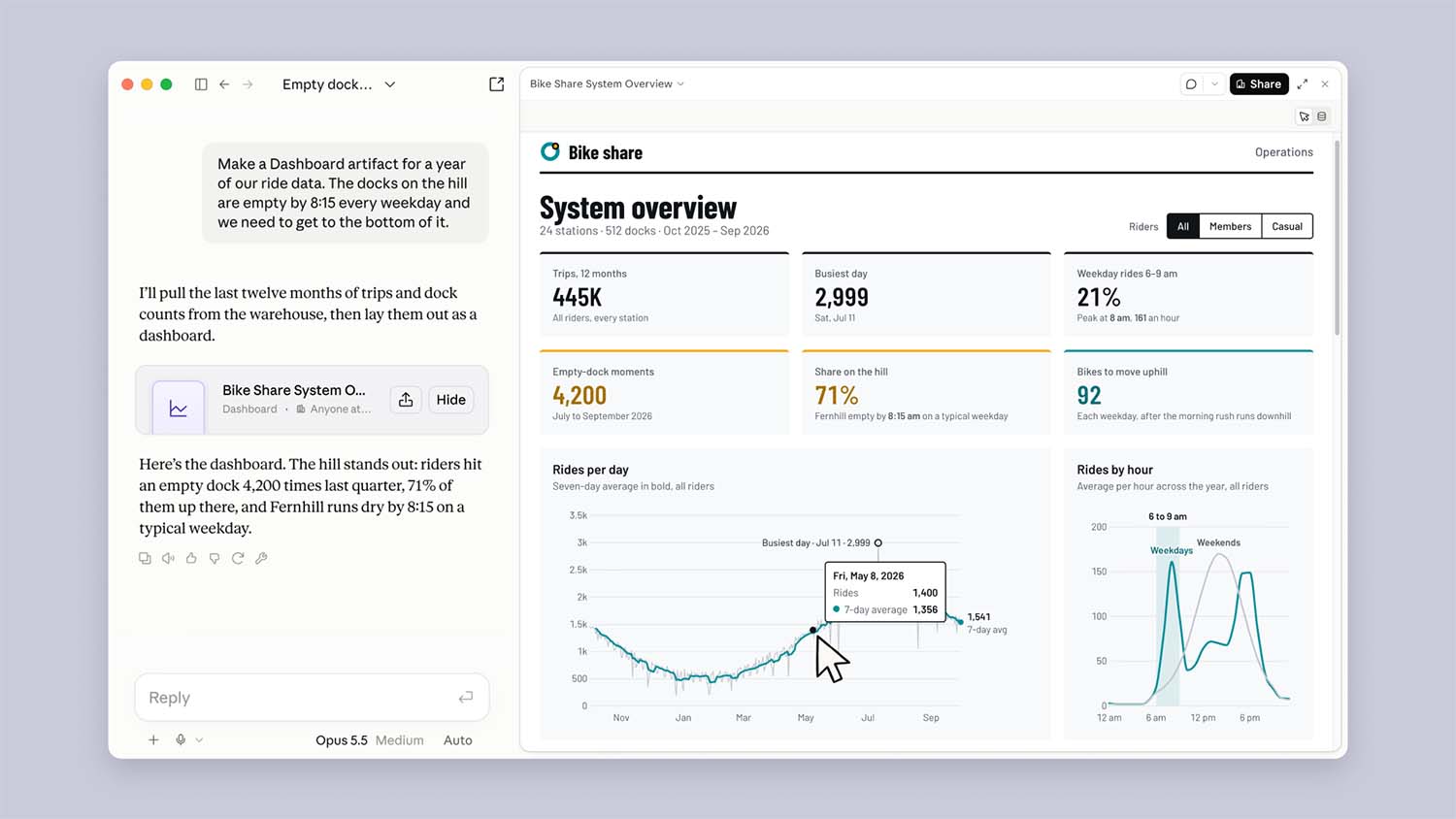
Anthropic added Claude Dashboards, which turns company data into live dashboards, and Claude Motion, which cre…