What happened
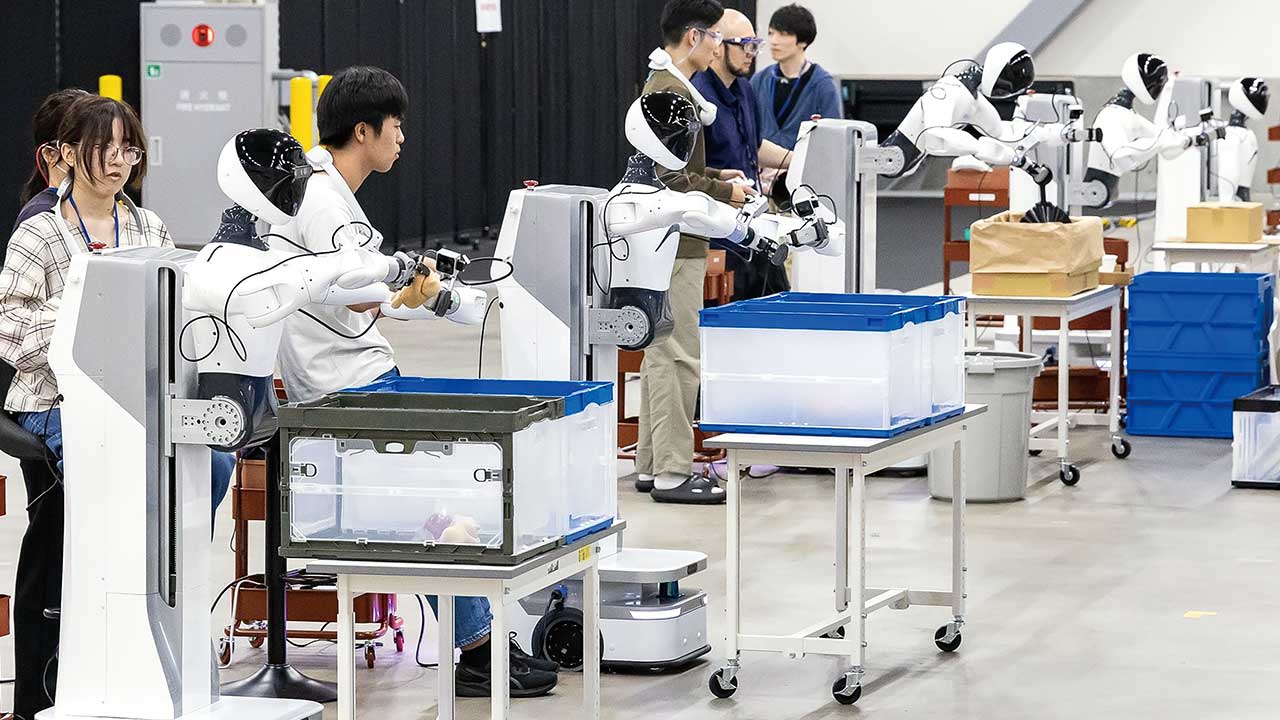
Yaskawa Electric, Kawasaki Heavy Industries and Fanuc are joining forces in an unusual alliance to link their knowledge and compete with China in physical AI.
Why it matters
The battle centers on how much data AI can learn from, so the alliance's factory-floor data could decide whether a made-in-Japan AI model takes hold.
What to watch
Data factories are appearing one after another across regions, and the contest will hinge on which side accumulates more learning data, with the brain that perceives objects and generates motion still up for grabs.
WHO IT HITSRobot and factory-automation makers and their manufacturing customers stand to be affected, since the alliance's access to production-line data is what would feed a Japanese physical AI model.
Summaries like this, in your inbox every morning.
The article frames physical AI as a new tide pushing the major robot makers into action. The central resource in that tide is learning data, and the visible symptom is the rapid appearance of data factories in region after region.
The alliance among Yaskawa Electric, Kawasaki Heavy Industries and Fanuc is described as unusual, and it is the article's answer to that data problem: linking knowledge so the data can be gathered and used jointly rather than company by company. Running alongside this is a second contest, over the brain that perceives objects and generates motion, which is where the value of that data ultimately shows up.
The outcome appears to hinge on which side can accumulate and learn from more data, and on whether a domestic AI model can emerge from it. The text itself only sets up the race and its moving parts, so how far the alliance and the data factories carry it is left open.
Pick your industry and the AI tools you use, and get news related to your work every day.
Free · 30 seconds with Google · unsubscribe anytimeWhat is AIToday? →
Ask AI anything about this article. The AI reads this article, earlier AIToday articles, and Wikipedia, and cites its sources. Q&As are published on this page for other readers too.
In Q2, billionaires or their funds sold six 'Magnificent Seven' AI stocks

Nvidia was rising early Friday, even as the wider chip sector kept falling, Barron's reported

ElevenLabs completed a $300 million employee tender at a $22 billion valuation, and co-founder Mati Staniszews…

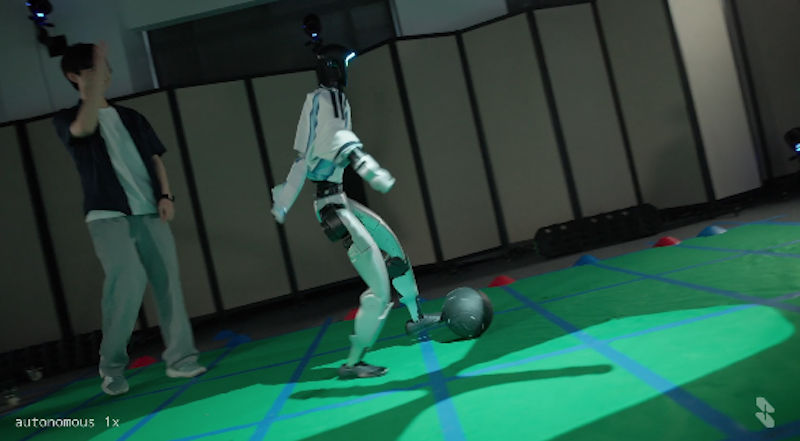
Skild AI used Nvidia Isaac Sim to give its S1 model one objective — score a goal — and let it compete against…
On October 15, OpenAI announced the Rosalind Academic Plan, giving approved US university labs free access to…

Neostellar Capital principal Evan Schlossman said CoreWeave's $103.7 billion in remaining performance obligati…


